Iran Upgrades Ballistic Missiles to Evade Defenses Amid Blockade Pressures
Iran's Islamic Revolutionary Guard Corps has developed advanced ballistic missile upgrades designed for higher speeds and improved maneuverability to evade air defenses, as mounting economic pressure drives Tehran to weigh military action against the US maritime blockade.
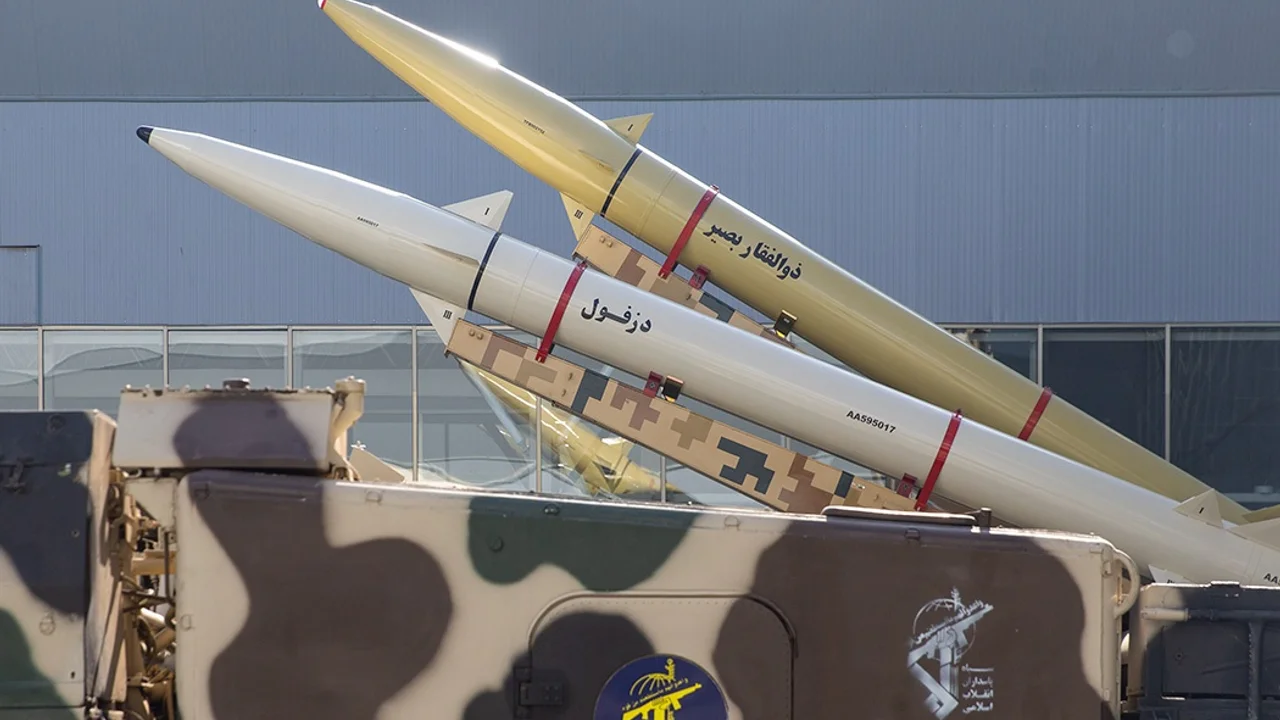
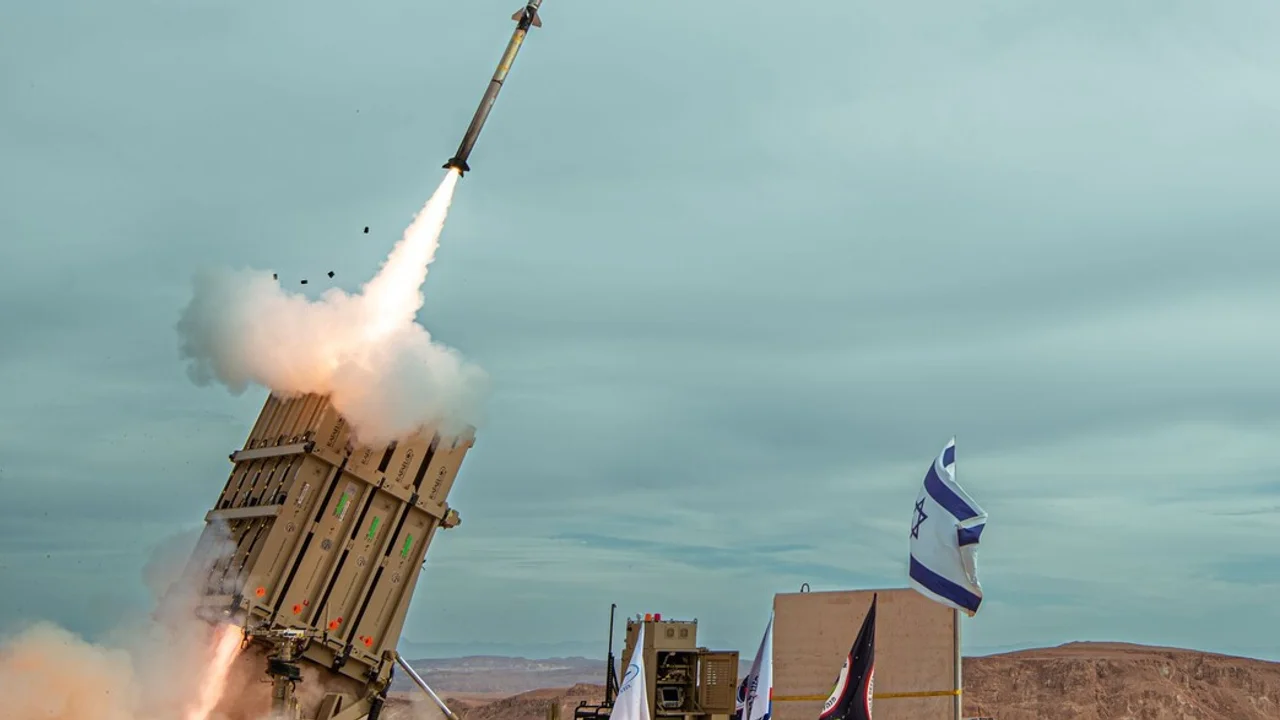
Iran's Islamic Revolutionary Guard Corps has developed advanced modifications for several ballistic missiles to increase their velocity, enhance maneuverability, and make them significantly harder for air defense systems to intercept. According to an assessment published by the Institute for the Study of Warfare and the Critical Threats Project, the new iterations combine technologies from existing medium-range ballistic missiles in the Iranian arsenal, including the Haj Qassem, Kheibar Shekan, Kheibar Shekan 2, and Fattah-1.
Advanced Missile Upgrades and Cluster Warheads
Solid-propellant variants such as the Kheibar Shekan and Fattah-1 have previously been deployed in attacks against Israel and American assets in the Middle East. State-affiliated media reported that the upgrades are engineered to maximize terminal velocity and impact force, while improved maneuverability is intended to bypass defensive countermeasures. In May 2025, Iran revealed an upgraded version of the Haj Qassem missile known as the Qassem Basir, though regime-linked outlets presented recent developments as distinct from last year's unveiling. Analysts noted that it remains unverified whether the updated missiles have been utilized operationally or restricted to testing phases thus far.
State media reports also indicated that one of the upgraded missile systems could be equipped with cluster warheads. Iran has previously utilized cluster munitions in strikes across the region, including a September attack targeting the Muwaffaq Salti Air Base in Jordan.
Production Capabilities and Strategic Pressures
Despite extensive strikes by the United States and Israel against Iranian missile facilities, the assessment indicates that Tehran is likely capable of producing the upgraded weapons without major overhauls to its manufacturing infrastructure and supply chains. Several of the baseline designs belong to the Fateh-110 family and share established production networks. While recent state broadcasts featured the missiles inside underground installations known as missile cities, the extent of Iran's mass-production capacity remains uncertain following coordinated airstrikes in the spring of 2026. Recent media reports estimate current manufacturing output at approximately 50 missiles per month.
Considerations to Break the US Maritime Blockade
Alongside technological advancements in its missile arsenal, analysts assess that the economic toll of the United States maritime blockade has become severe, prompting high-ranking officials to consider aggressive countermeasures. Mohsen Rezaee, secretary of Iran's Supreme National Security Council, stated on social media that armed forces remain determined to breach the blockade and counter any hostile actions. Meanwhile, Mehdi Mohammadi, an advisor to Parliament Speaker Mohammad Bagher Ghalibaf, declared during a state television interview that leadership views the blockade as an act of war and considers military action a legitimate response.
Mohammadi outlined potential scenarios involving strikes against American and allied assets in the Persian Gulf region to disrupt enforcement operations. Additionally, hardline factions have raised the prospect of dispatching oil tankers to challenge the blockade directly. Lawmaker Hossein Ali Haji Deligani publicly endorsed the tanker initiative, citing directives from Supreme Leader Mojtaba Khamenei regarding the improvement of domestic living conditions as economic pressures mount.