Targeted Therapy Offers New Hope for Hypothalamic Obesity After Brain Injury
Patients recovering from brain injuries often suffer from hypothalamic obesity, causing unrelenting hunger and rapid weight gain. A newly approved targeted therapy offers hope by addressing the biological root of the disrupted satiety mechanism.
Children and adults recovering from brain tumors or head injuries often face a persistent, overwhelming sensation of hunger known as hypothalamic obesity. Following medical treatment, damage to the hypothalamus—the brain region regulating appetite and energy balance—can disrupt natural satiety signals, leading to rapid weight gain and a constant preoccupation with food that overshadows daily life.
Understanding the Biological Roots
Unlike common obesity, acquired hypothalamic obesity stems from a distinct organic injury. Patients frequently hear well-meaning advice to simply eat less and move more, which brings unjustified feelings of guilt and frustration. Medical professionals emphasize that the relentless hunger is caused by neurological disruption rather than a lack of willpower. Beyond increased appetite, patients may suffer from hormonal deficiencies, sleep disturbances, fatigue, and mood shifts that complicate reintegration into school or work.
Families carry a heavy burden as well. Parents report locking kitchens at night, managing obsessive food-seeking behaviors, and watching family celebrations become sources of anxiety. Surveys of caregivers indicate that mitigating hypothalamic obesity is often considered a higher priority than preventing tumor recurrence, reflecting the profound psychological toll the condition takes on households.
Innovative Treatment Approaches
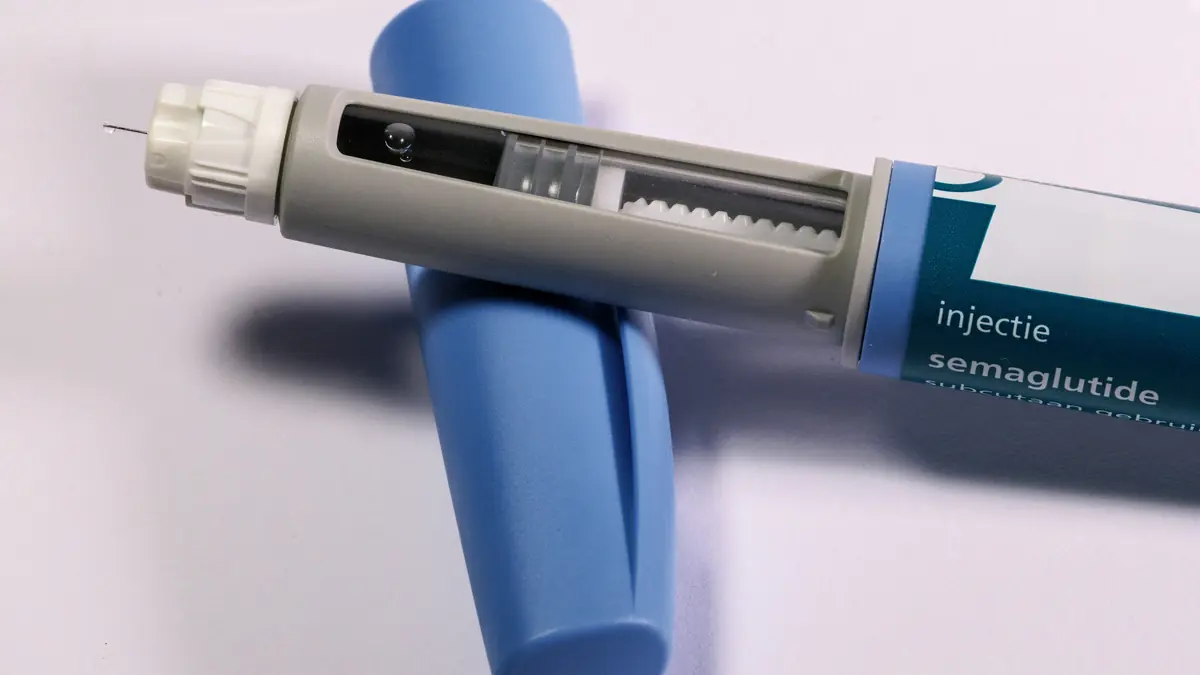
Comprehensive management requires combining nutritional guidance, psychological support, and specialized medical therapies. A significant milestone was reached when regulatory authorities approved a targeted treatment designed to address the disrupted brain pathways governing hunger and energy expenditure. The daily subcutaneous injection activates the MC4R receptor in the brain, mimicking natural satiety signals.
Clinical trials demonstrated significant reductions in body mass index (BMI) and self-reported hunger among participants receiving the medication compared to a placebo group. While not a magic bullet and requiring careful medical supervision, this targeted therapy offers renewed hope for patients and families, easing the constant struggle against unrelenting hunger and helping restore a normal quality of life.