Israel Launches New Tenders for 870 Subsidized Apartments in Central Region
Israel has launched three new tenders for 870 subsidized apartments in Kafr Qasim, Jaljulia, and Kafr Bara after previous attempts failed to attract developer bids amid market and financing hurdles.
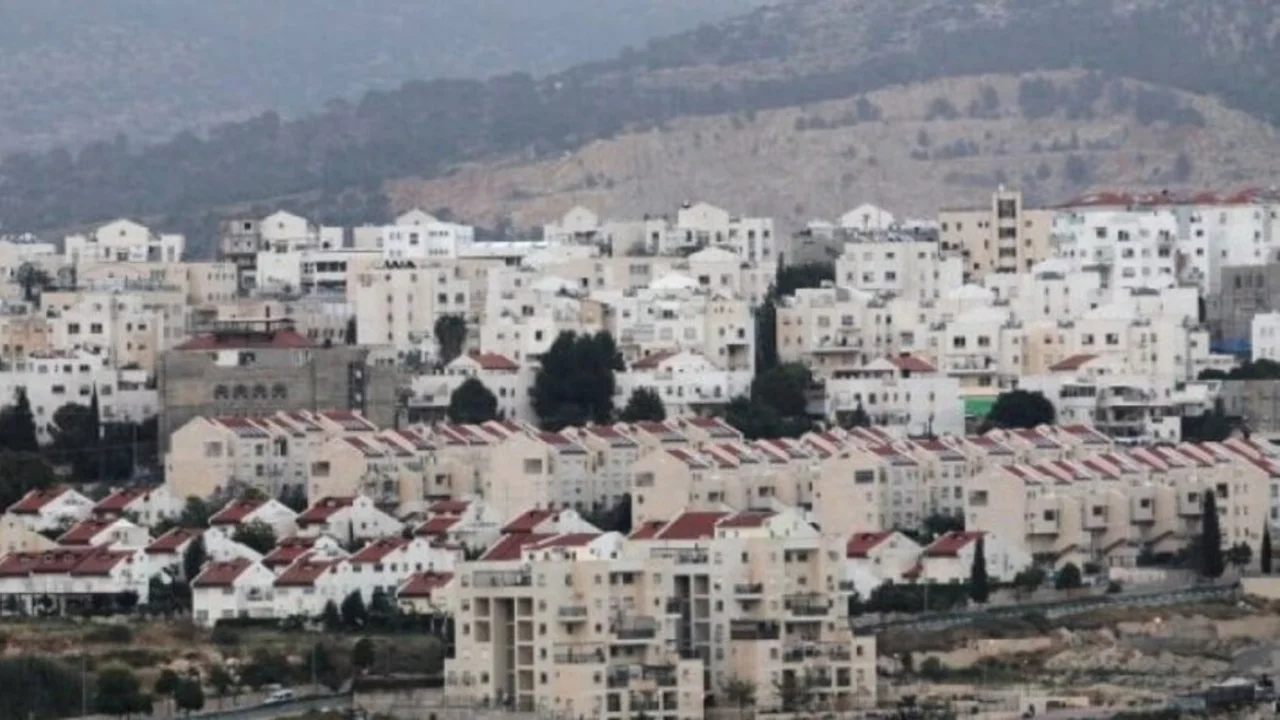
The Israel Land Authority and the Ministry of Construction and Housing have announced three new tenders for the construction of 870 apartments under the "Target Price" subsidized housing program in Kafr Qasim, Jaljulia, and Kafr Bara. This fresh attempt aims to expand the supply of discounted housing in Arab localities in central Israel following a series of previous failed tenders that attracted zero bids from developers.
The current marketing initiative encompasses 20 residential compounds, with bidding deadlines set for late December. In Kafr Qasim, land is offered for 387 apartments across 12 complexes in the northern neighborhood. Jaljulia features five complexes in the southeast designated for 327 apartments and commerce, while Kafr Bara offers three complexes in the eastern neighborhood comprising 156 apartments. The Kafr Bara tender closes on December 29, followed by Jaljulia on December 30, and Kafr Qasim on December 31.
History of Past Failures
This renewed push comes against the backdrop of a prolonged streak of unsuccessful tenders. Tracking data indicates that between May 2023 and October 2025, ten "Target Price" tenders in Kafr Qasim, Jaljulia, and Kafr Bara closed without a single bid. Cumulatively, these failed attempts involved 2,105 housing units, though some plots were offered multiple times. In Kafr Qasim, for instance, a tender for 207 apartments closed without bidders in February 2024, and a subsequent expansion to 397 apartments similarly failed.
Industry experts and previous analyses point to structural mismatches between state programs and local market realities. Architect Smadar Okel from the Arab Center for Alternative Planning noted that competitive developer-focused tenders, which do not allow winners to build homes independently, often align poorly with housing preferences in Arab localities. Additional hurdles include developer fears over sluggish sales, a limited pool of eligible buyers, high financing costs driven by elevated interest rates, and long-standing difficulties in securing mortgages due to property registration complexities.