Health Leaders Warn Hospital Disparities Threaten Patient Care Access
Senior health officials warned that widening disparities between Israeli hospitals and staffing shortages threaten equitable medical access, calling for increased state funding and robust public healthcare infrastructure.

Leading figures across Israel's healthcare system have warned against widening disparities in medical accessibility, staffing shortages, and protective infrastructure deficiencies. Speaking at the third annual conference on drug security hosted by Haverim L'Refuah, healthcare executives called on the state to reinforce public health infrastructure and ensure that advanced treatments remain accessible to all citizens.
Hospital Disparities and Staffing Pressures
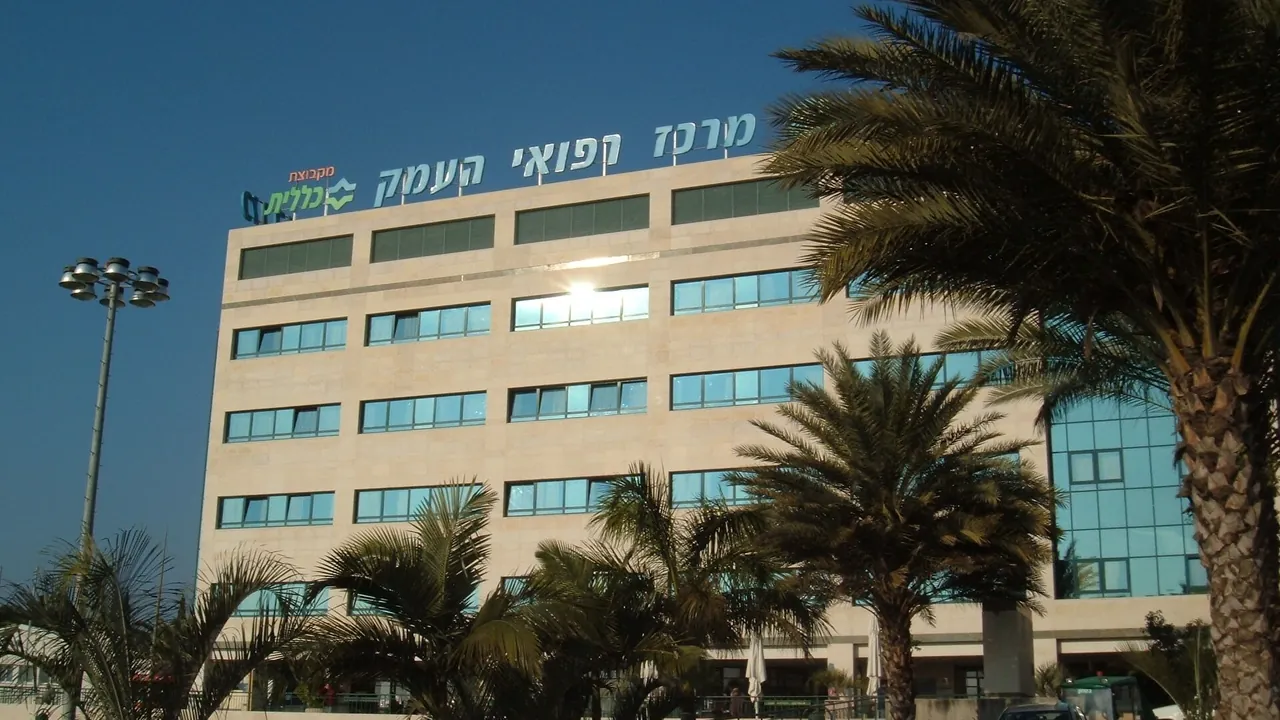
Dr. Hagai Frankel, director general of Barzilai Medical Center, cautioned that widening gaps between hospitals threaten to create a two-tier society. He highlighted the acute challenges in recruiting physicians to Ashkelon, noting that demanding workloads, long commutes, and the exclusion of private practice make it difficult to attract top talent without substantial government intervention. Similarly, Dr. Yafa Ashur, director of Yoseftal Medical Center under the Clalit health services group, emphasized the vulnerable position of Eilat's medical infrastructure. She reported that despite the construction of a new building, the facility currently maintains zero fortified beds while coping with the influx of approximately 70,000 evacuees following the October 7 attacks.
Prof. Eli Sprecher, director general of Ichilov Medical Center, noted that the conflict strained financial and human resources, with roughly 700 staff members called up for military reserve duty. He reported daily revenue losses of 8 to 10 million shekels during active wartime operations, pointing out systemic inequalities across Israeli medical institutions. Meanwhile, Dr. Galit Kaufman, director of Assuta Ashdod Hospital, stressed the severe burnout affecting medical personnel after years of operating under emergency conditions, noting that the hospital received no direct funding from Operation Roaring Lion.
Legislative Action and Pharmaceutical Accessibility
Addressing the challenges of medication distribution, Member of the Knesset Limor Son Har-Melech introduced new legislation aimed at reducing the destruction of unexpired medications by redirecting them to patients in need. Under the proposed bill, health maintenance organizations could not unreasonably refuse requests from recognized charitable organizations to install medication collection boxes in clinics, provided that the organizations ensure safe and cost-free distribution. Baruch Lieberman, director general of Haverim L'Refuah, warned that rising costs and diminishing public drug access are pushing citizens toward private insurance options.
Technological Innovations and Financial Uncertainty
Experts at the conference also examined the role of emerging technologies, including artificial intelligence and genetic therapies, in shaping future healthcare. Dr. Tal Morgenstern, head of the health services basket evaluation division, underscored the financial challenges of funding advanced genetic treatments within public health frameworks. Concluding the discussions, participants reiterated the urgent need for robust state funding to guarantee equitable healthcare access and prevent severe inequalities in life-saving treatments.