Health Risks of Electric Air Fresheners and How to Use Them Safely
Electric air fresheners release volatile organic compounds and pollutants into indoor spaces, potentially triggering headaches, irritation, or respiratory issues for sensitive individuals.
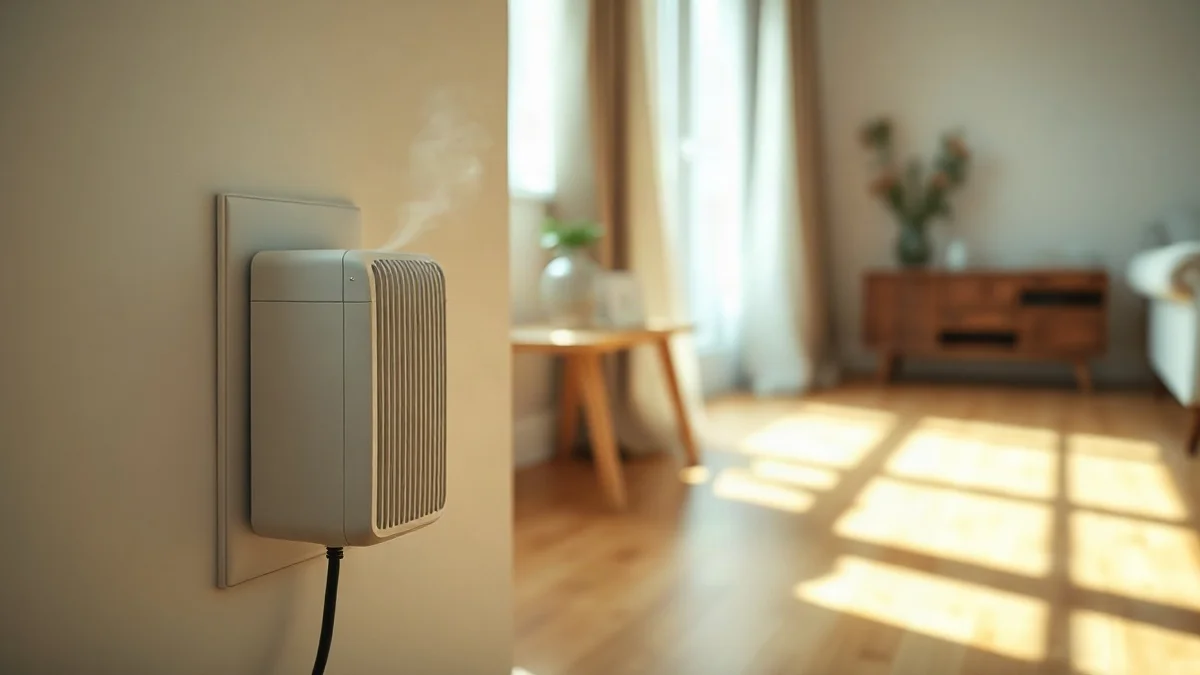
Electric air fresheners have become a staple in many households, plugged into wall sockets to deliver a continuous fragrance throughout the day. Beneath the pleasant scents, however, these devices release chemical compounds into indoor living spaces as the perfume mixtures evaporate.
Electric fresheners operate by gently heating scented liquids to disperse fragrances into rooms. This heating process releases volatile organic compounds, or VOCs, which are a broad group of chemicals that vaporize easily and are also commonly found in cleaning products, paints, and perfumes.
Chemical Emissions and Health Risks
Formulations vary by product depending on the specific fragrance blend. Certain compounds, such as limonene which is prevalent in citrus scents, can react with ozone in the indoor air to form secondary pollutants, including ultrafine particles and formaldehyde. Consequently, the aroma filling a room is not the only substance being distributed.
While not every use of an air freshener poses a danger, potential health impacts depend on the types of chemicals, their concentration, the duration of exposure, and room ventilation levels. Exposure to specific volatile compounds can trigger eye, nose, and throat irritation, headaches, nausea, or dizziness.
Individuals suffering from asthma, allergies, or chemical sensitivities face heightened vulnerability. For some, scented products can provoke coughing, wheezing, or respiratory difficulties. The American Lung Association warns that both natural and synthetic fragrances can emit pollutants indoors and adversely affect sensitive populations.
Safe Usage Guidelines
For consumers wishing to continue using home fragrance devices, health experts recommend following several precautionary measures:
- Ensure adequate room ventilation and avoid operating devices in small, enclosed spaces for extended periods.
- Strictly follow manufacturer instructions and refrain from increasing diffusion intensity beyond recommended settings.
- Turn off devices immediately if experiencing headaches, irritation, or breathing difficulties, and monitor whether symptoms subside.
- Consider avoiding scented products entirely if managing asthma or diagnosed perfume sensitivities.
Ultimately, a pleasant indoor scent does not guarantee clean air. Experts advise that rather than attempting to mask unpleasant odors with chemical fragrances, residents should identify and remove the source of the odor through thorough cleaning and proper ventilation.