Iran Reports Tanker Mine Blasts in Hormuz Amid Stalled US Talks
Iran claims oil tankers struck naval mines in the Strait of Hormuz, while US assessments indicate deliberate attacks. Meanwhile, a secret nuclear facility in Isfahan raises IAEA concern.
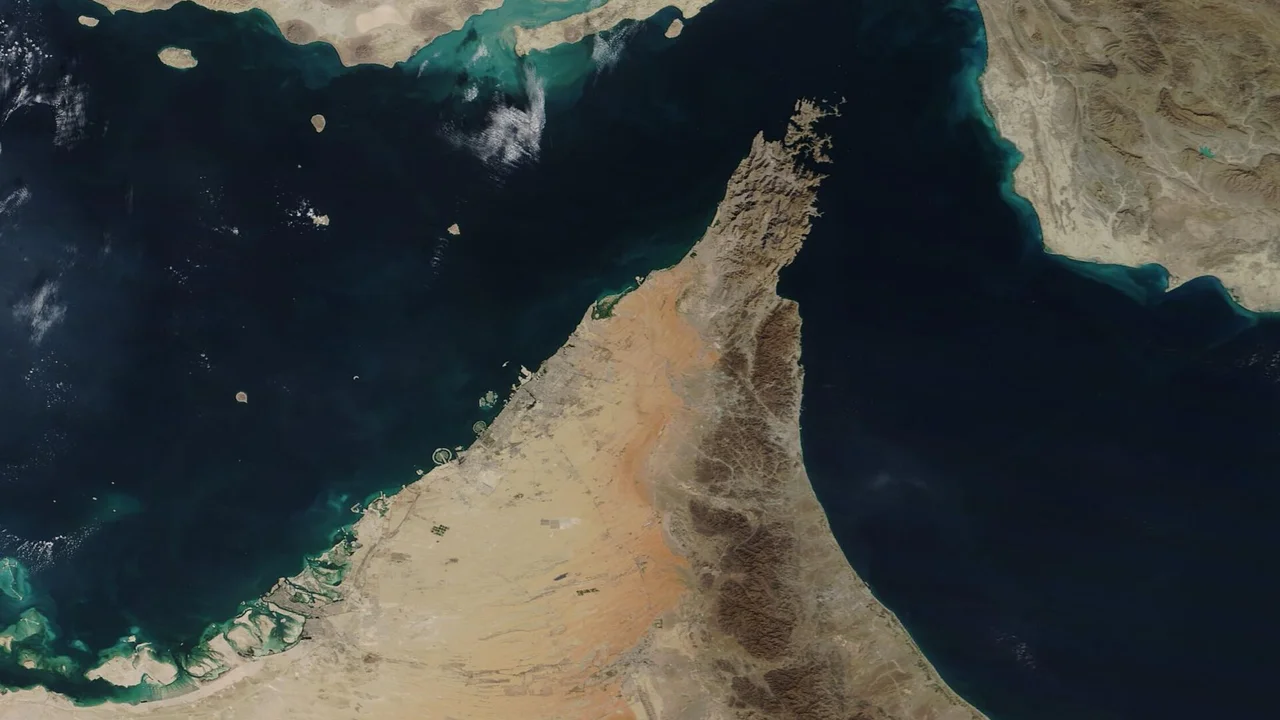
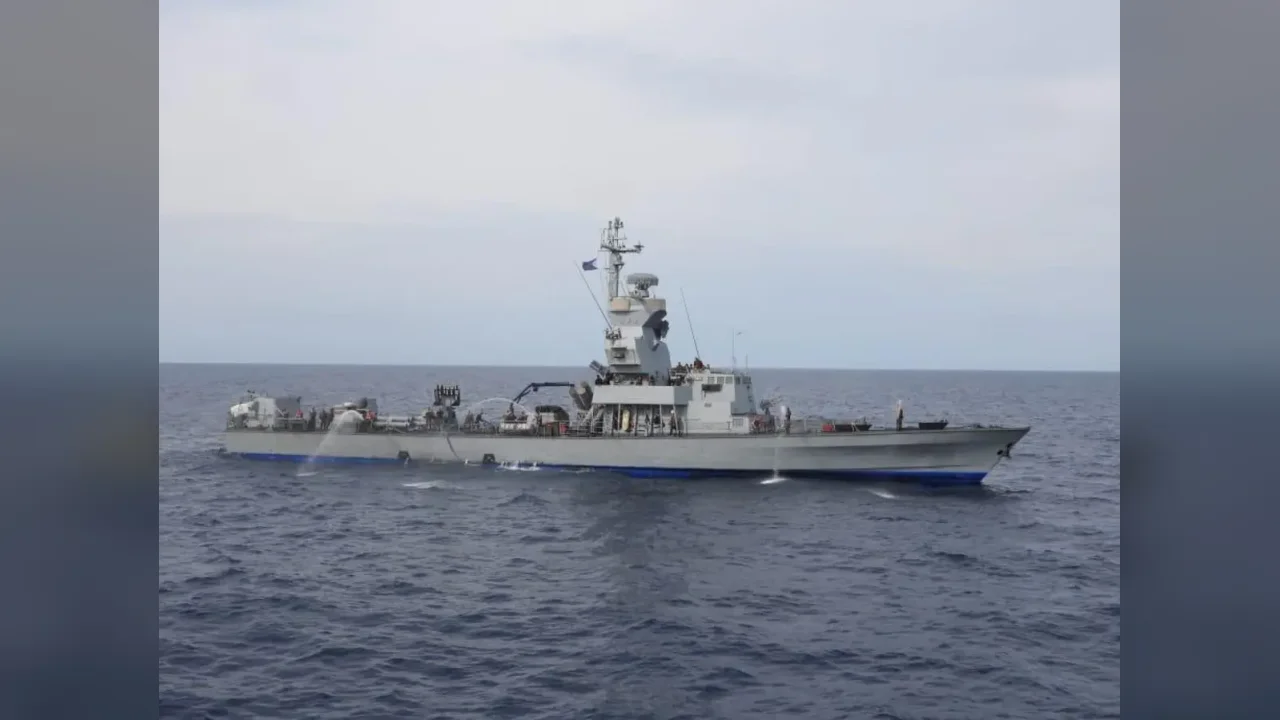
Amid stalled negotiations with the United States and President Donald Trump signaling no immediate plans to restart the war, maintaining instead an economic blockade on the Islamic Republic, Tehran continued reporting that oil tankers struck naval mines and exploded in the Strait of Hormuz. Iran announced the closure of the strategic waterway at the end of February, claiming ownership of the route where international law guarantees freedom of navigation. The US Navy leads a protective operation for tankers crossing the strait against Iranian missiles and UAVs, while the economic blockade prevents Iran from exporting oil.
Maritime Attacks and US Assessments
The International Maritime Organization reported that October saw a record number of attacks in the strait since the war began, bringing the total number of incidents across the Middle East to 134 between late February and November 11, resulting in 25 maritime crew deaths. While Iranian state media routinely claims that tankers hit naval mines in prohibited areas, the Institute for the Study of Warfare assessed that these reports are false. The US Central Command completed de-mining operations in August, and analysts evaluate that Iran is actively attacking vessels with missiles and UAVs while fabricating mine strike narratives to undermine confidence in US naval escorts.
Nuclear Standpoint and IAEA Concerns
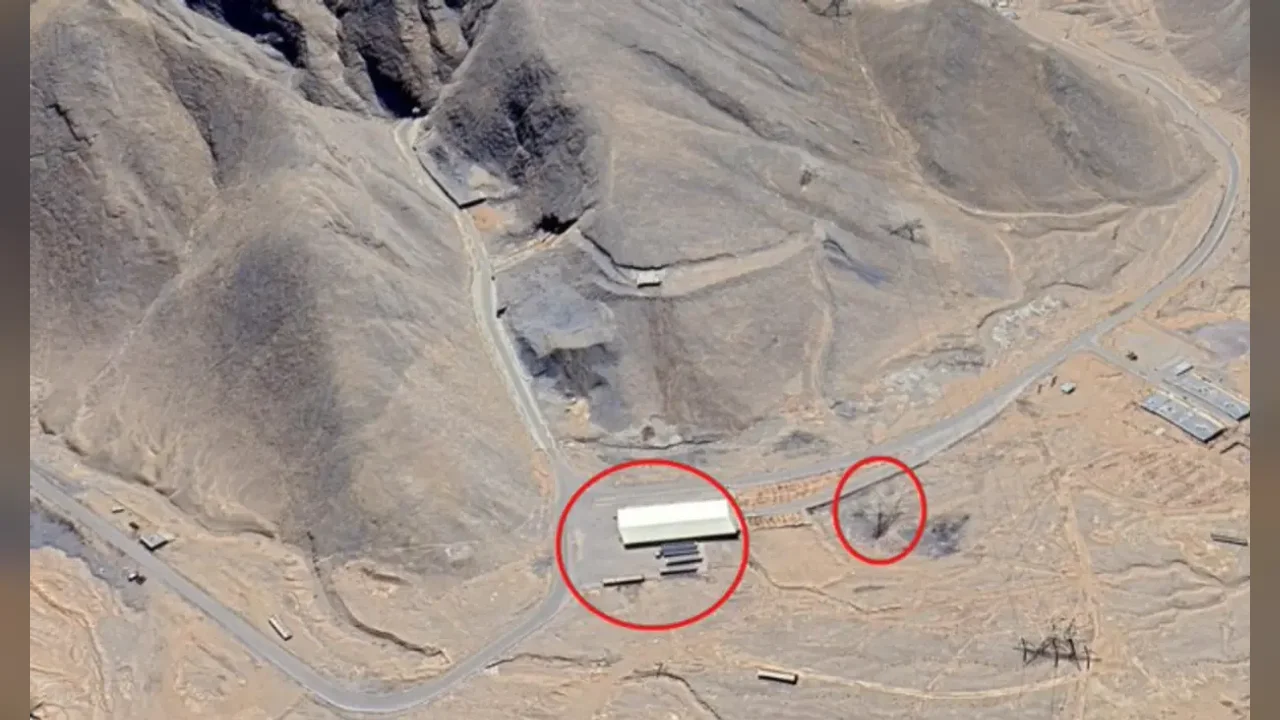
President Donald Trump announced he instructed Vice President JD Vance not to conduct negotiations with Iran, declaring that the US no longer needs a deal. Meanwhile, Tehran maintains a rigid stance on its nuclear program. Senior Iranian officials warned against any compromise and threatened to withdraw from the NPT treaty if a new conflict erupts. Concurrently, a confidential IAEA report revealed growing concern over a secret underground nuclear facility in Isfahan, where significant quantities of 60% enriched uranium are believed to be buried. The IAEA stressed the urgent need for Iran to grant access to inspectors to verify the status of nuclear materials.