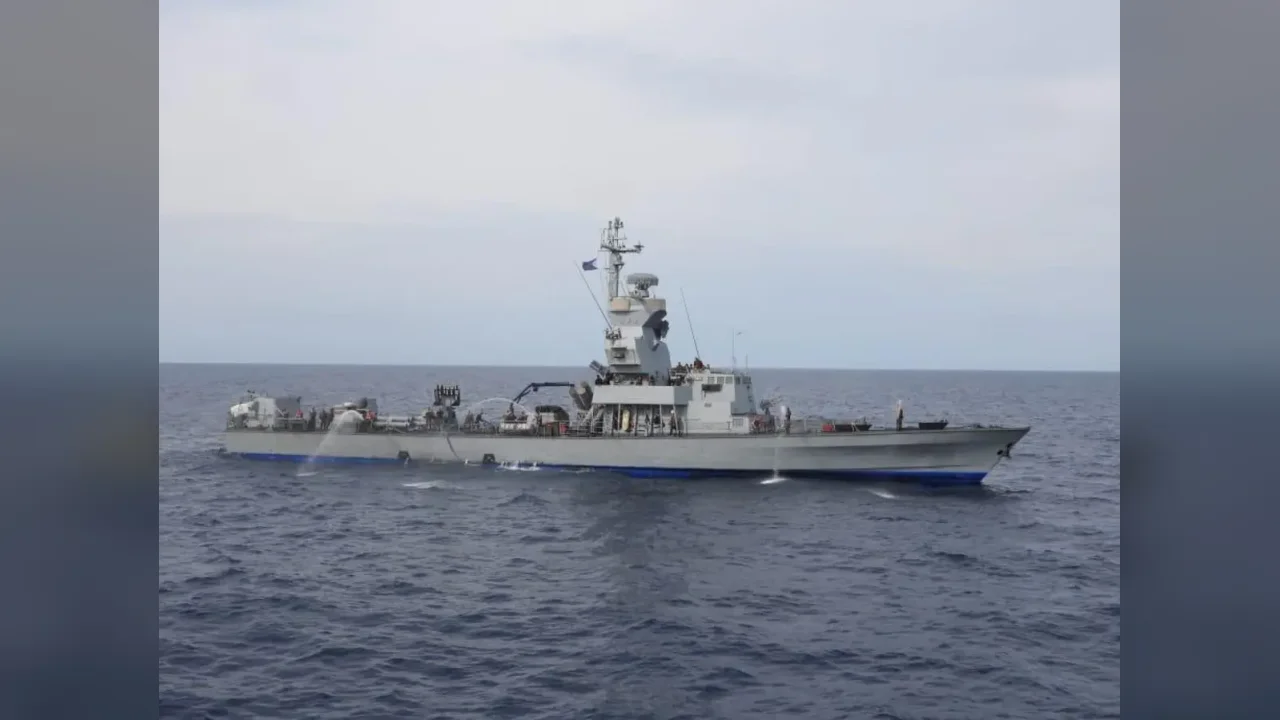
Israel Air Force Maintains High Alert to Counter Airborne Security Threats
The Israel Air Force maintains high alert levels, regularly simulating emergency protocols to counter potential airborne terror threats and hijacked civilian airliners.
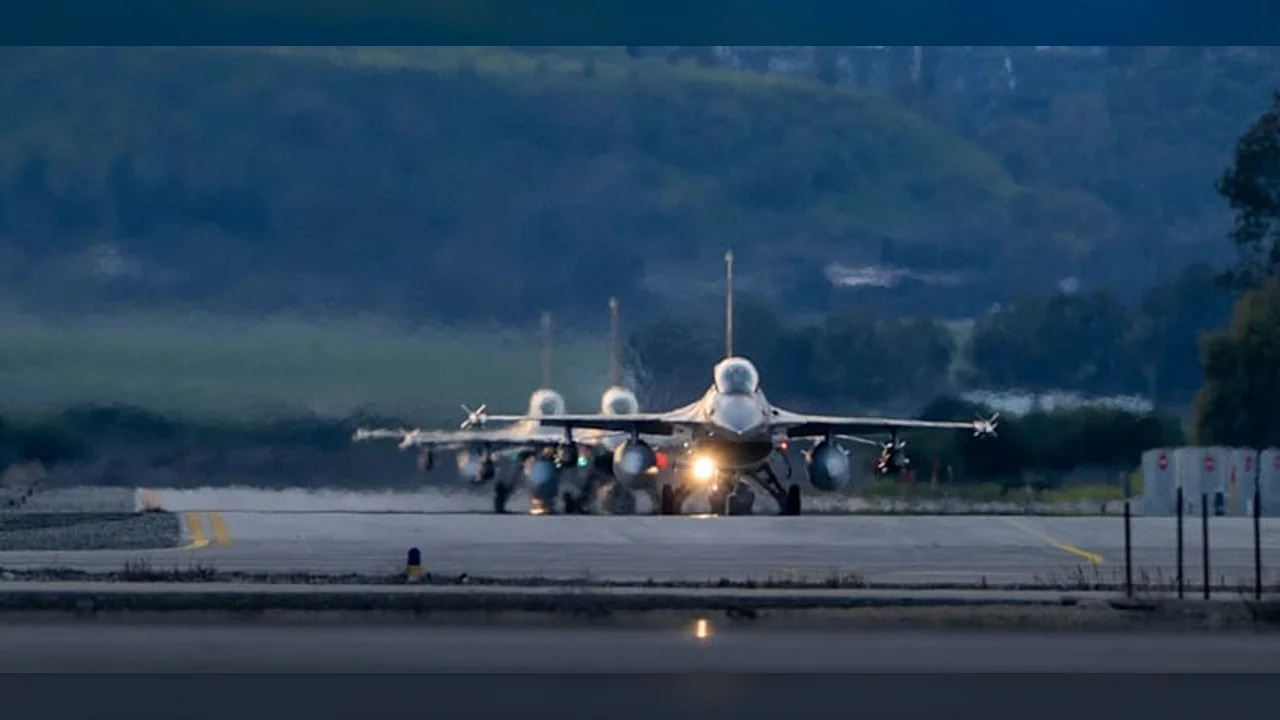
The silent "Code 7500" distress signal sent directly from an aircraft cockpit to ground control remains one of the gravest concerns for security agencies worldwide. Amid rising reports and European alerts regarding threats to civilian aviation, the Israel Air Force maintains high alert levels, routinely simulating emergency protocols to counter airborne terror threats.
Following the September 11, 2001 terrorist attacks, global aviation security underwent a complete transformation. Security protocols shifted from handling traditional hijackings aimed at ransom or political asylum to recognizing that commercial airliners loaded with fuel can be turned into weapons of mass destruction. Today, cockpit doors are heavily reinforced, and armed undercover sky marshals operate on sensitive flights. When emergencies arise, crews transmit discrete signals while ground systems track deviations instantly.
In Israel, the military monitors all regional airspace movements in constant coordination with intelligence agencies like the Mossad. Following October 7, the Israel Air Force adjusted its operational readiness posture significantly. "The air force maintains very high readiness in the field and regularly drills emergency protocols for aerial terror threats," a military official stated. When an aircraft deviates from its flight path near Israeli borders, interceptor jets are scrambled immediately to provide visual identification and escort.
Managing these airborne incidents involves severe time constraints, as a commercial airliner covers approximately 15 kilometers every minute. In a country with limited strategic depth, decision-making chains must operate within seconds. The command structure extends from flight controllers and fighter pilots up to the Prime Minister and the Minister of Defense. However, experts note that critical situations may force pilots to make split-second operational decisions if communication lines fail.
Air defense authorities remain acutely aware of the devastating consequences of misdiagnosis. Historical precedents, such as the 1973 downing of a stray Libyan airliner over the Sinai Peninsula, serve as a stark reminder of the tragic risks involved when communication failures lead to extreme military action. Consequently, maximum caution and precision guide every interception protocol.