400 Hezbollah Operatives Eliminated as Lebanon Fears New Syrian Threat
A security briefing to the Knesset revealed 400 Hezbollah operatives eliminated since the ceasefire, alongside Lebanese fears of Syrian territorial ambitions.
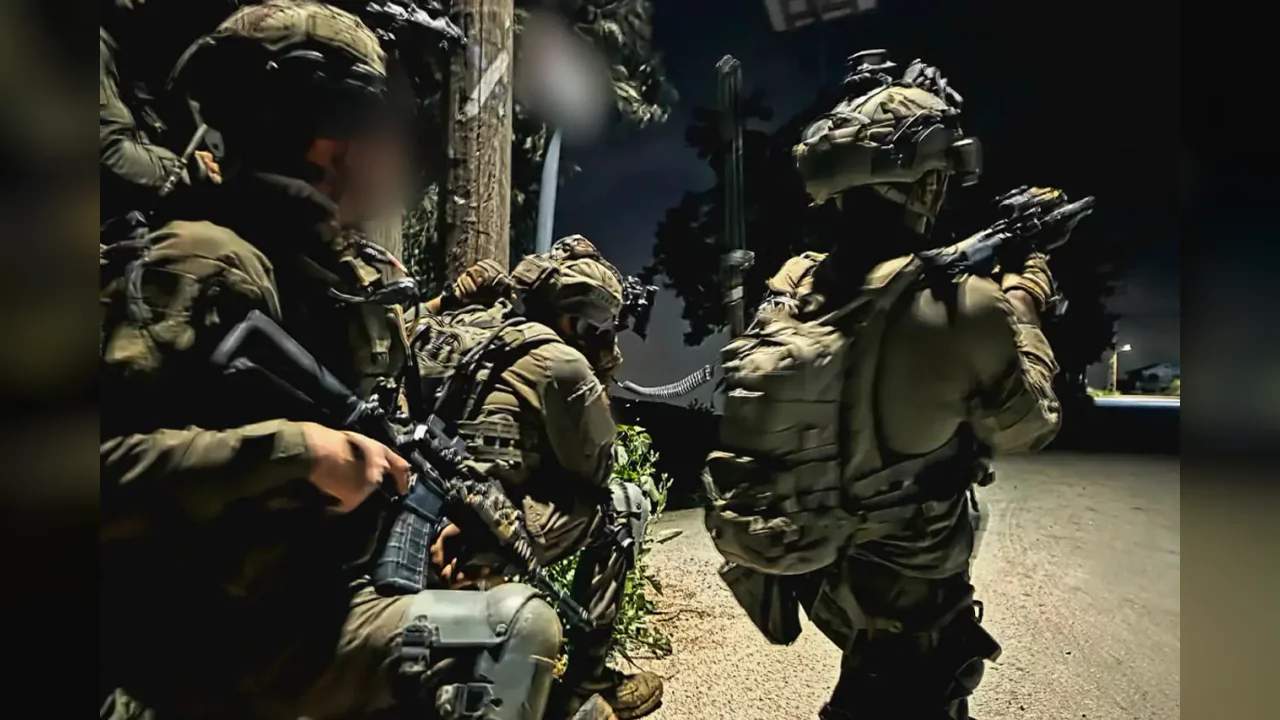
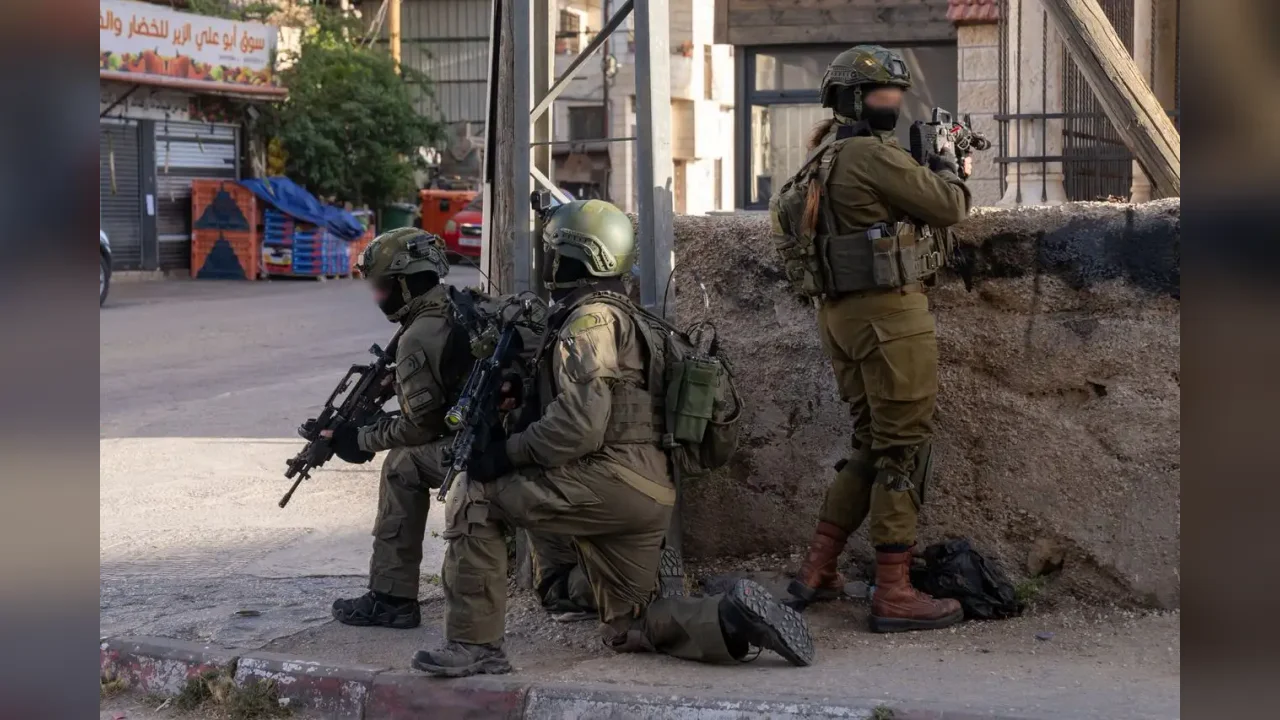
A security briefing presented to the Knesset Foreign Affairs and Defense Committee revealed that 400 Hezbollah operatives have been eliminated in Lebanon since the ceasefire took effect. The classified briefing highlighted that parts of the Lebanese political establishment now view the new leadership in Damascus with greater apprehension than Israel.
Concerns Over Greater Syria Aspirations
According to intelligence assessments presented during the session, Hezbollah and various Lebanese factions fear the intentions of Syrian transitional President Ahmed al-Saara, also known as Abu Muhammad al-Julani. Israeli assessments indicate that Lebanon is anxious that al-Saara might exploit Western legitimacy to seize parts of Lebanese territory under the banner of Greater Syria. Since the collapse of Bashar al-Assad's regime in December 2024, Hezbollah's strategic standing has drastically shifted. For years, the group relied on Syrian logistical corridors to transfer Iranian weaponry and deployed thousands of fighters to support Assad during the Syrian civil war. Under the new administration in Damascus, Syria is increasingly perceived as a strategic threat rather than an ally.
Secret Contacts and Regional Dynamics
The rising regional tensions have already prompted direct diplomatic friction. Secret meetings took place in Turkey between Syrian regime representatives and Hezbollah to avert an escalation, focusing on potential military intervention, cross-border weapon smuggling, and armed militant activity. While Damascus reportedly pledged not to intervene militarily to disarm Hezbollah, it demanded an immediate halt to arms smuggling and the dismantling of militant cells operating inside Syria. Al-Saara has publicly denied any intention to deploy troops into Lebanon or wage a military campaign against Hezbollah, emphasizing economic cooperation instead.
International Pressure on Beirut
Meanwhile, diplomatic and military pressure on Beirut continues to mount. US Permanent Representative to the United Nations Mike Waltz visited Lebanon and stated unequivocally that Hezbollah must disarm. Following a meeting with Parliament Speaker Nabih Berri, Waltz stressed that a sovereign state cannot function while hosting dual military forces, urging the militant group to surrender its arms voluntarily. Concurrently, the current mandate of the United Nations Interim Force in Lebanon is set to expire on December 31, as the IDF continues targeting Hezbollah's weapon replenishment routes along the Syrian-Lebanese border.