Hezbollah Implements Plan to Disrupt Lebanese State Institutions and Resist Disarmament
Hezbollah has launched a multi-track plan to disrupt Lebanese state institutions and resist government disarmament orders, amid internal friction and IRGC oversight.
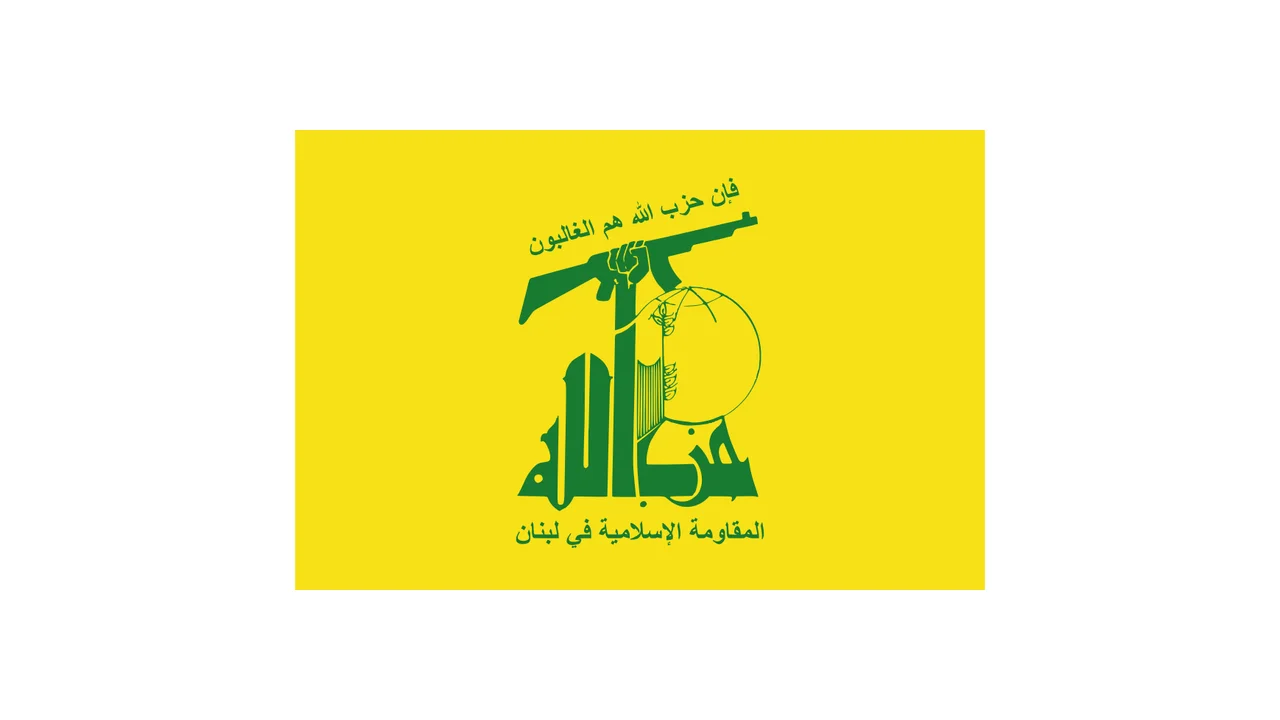
Hezbollah has initiated a strategic plan to confront Lebanese state institutions and disrupt the activities of the presidency and the government, according to regional political sources. The move is designed to halt efforts by Beirut to consolidate state control over weaponry and prevent the disarmament of the militant group.
According to the reports, the blueprint was set in motion following the recent Independence Day address delivered by Lebanese President Joseph Aoun. The strategy aims to frame any challenge to the group's military arsenal as a direct threat to domestic stability, tying internal security directly to the preservation of Hezbollah's arms.
Three-Pronged Strategy Under Iranian Supervision
Lebanese political sources indicate that the operation operates under the oversight of Iran's Islamic Revolutionary Guard Corps and comprises three parallel tracks:
- A political campaign designed to buy time and avoid a direct confrontation with the Lebanese Armed Forces at this stage.
- The deliberate generation of domestic friction to stoke chaos and fears of losing control over national security.
- An escalation of political and media pressure against the presidency and government, while maintaining ministerial representation as leverage.
The military wing of Hezbollah has reportedly undergone a reorganization supervised by Revolutionary Guard officers. Strategic decisions, including the absolute refusal to surrender weapons and defiance against government measures targeting military infrastructure, remain strictly subordinated to Tehran's regional agenda.
Operational Realignment and Internal Disconnect
Amid international and regional warnings of potential military escalation, security sources reported that Revolutionary Guard personnel recently began evacuating positions in the southern suburbs of Beirut and transferring logistical equipment to the Beqaa Valley. The redeployment includes operational units and officers previously tasked with overseeing the reconstruction of Hezbollah's military capabilities.
However, a clear divergence has emerged between Hezbollah's political leadership and its military commanders. While the political tier prefers to avoid an open internal conflict or regional war out of concern for its popular support base and post-war reconstruction challenges, the military wing insists on escalation and rejects concessions under pressure.
Sources emphasize that this dynamic reflects differing assessments of the limits and costs of confrontation rather than a formal organizational split, as the political leadership bears the brunt of the domestic fallout.
Parliamentary Resistance and Government Pressure
One of the plan's core objectives is to compel political forces to pressure the presidency and government into freezing security measures aimed at disarming the group. Hezbollah has combined localized protests in its strongholds with messaging accusing the administration of capitulating to foreign diktats.
Parliament Speaker Nabih Berri has expressed reservations regarding street escalation and refused to endorse internal military conflict, preferring to keep political disputes within constitutional frameworks to prevent the isolation of Hezbollah and the Amal Movement. Nevertheless, Hezbollah leadership informed Berri that it remains ready for confrontation should state institutions attempt to enforce disarmament by force.
The standoff follows decisions by the Lebanese government to ban Hezbollah's military and security operations, mandate the surrender of its weapons, and authorize security agencies to arrest violators.