Pablo Hernández de Cos Set to Succeed Christine Lagarde as ECB President
Pablo Hernández de Cos is set to succeed Christine Lagarde as president of the European Central Bank, following a decisive consensus across eurozone member states.

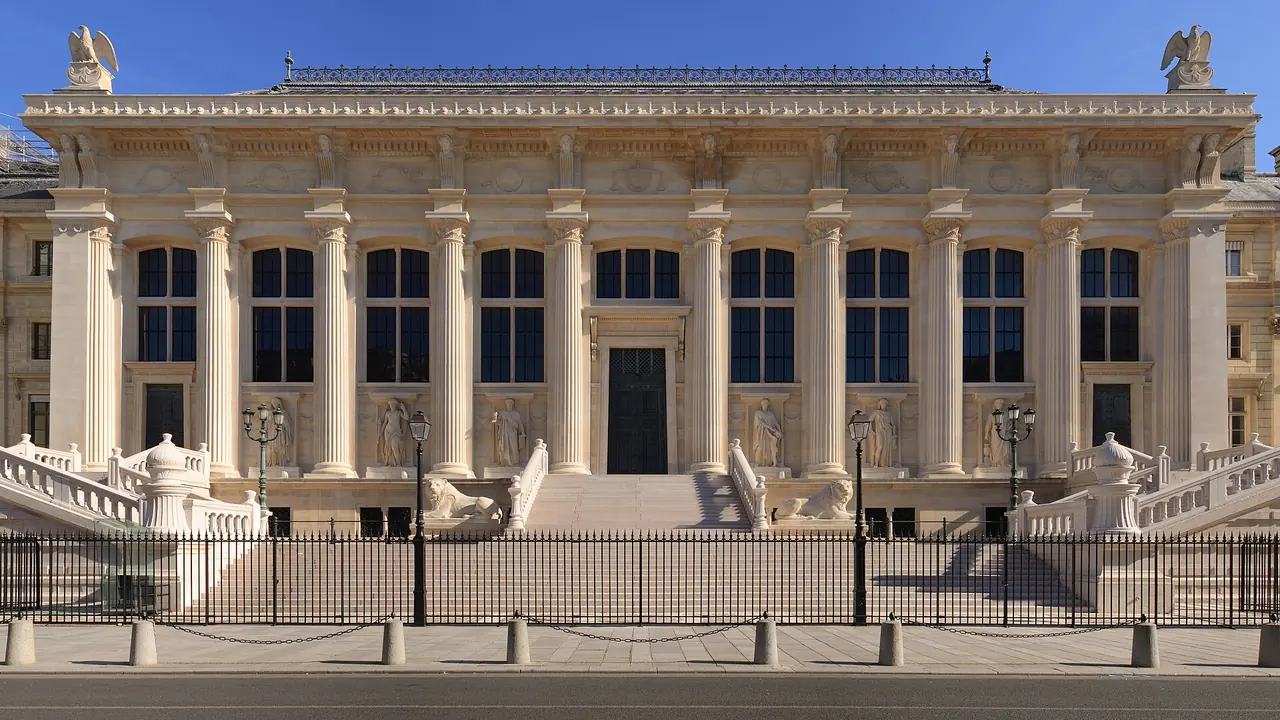
Pablo Hernández de Cos is set to become the next president of the European Central Bank (ECB) after securing widespread support from eurozone member states to succeed Christine Lagarde, who steps down in February. The leadership race concluded during a summit in Brussels, where Dutch Prime Minister Rob Jetten announced that the Netherlands would drop its backing for its own candidate, former Dutch central bank governor Klaas Knot, and support the Spanish economist to build a broader consensus.
Leadership Package and Key Appointments
The agreement follows a broader understanding reached earlier this month between France and Germany regarding a package of three top posts at the Frankfurt-based institution. Under the arrangement, Laurence Boone, head of corporate and investment banking at Santander in France, is slated to replace Germany's Isabel Schnabel on the ECB's executive board overseeing market operations. Meanwhile, German economist Markus Brunnermeier is expected to succeed Philip Lane as the bank's chief economist when Lane's term concludes in May.
Initially, the Dutch government insisted on maintaining Knot's candidacy, arguing that his expertise was vital for addressing rising sovereign debt challenges across several European nations. However, Amsterdam withdrew its opposition after it became clear that Hernández de Cos commanded the backing of at least 16 eurozone governments representing 65 percent of the currency bloc's population. The three senior appointments are expected to receive formal approval from eurozone leaders ahead of Christmas, following a non-binding consultation vote in the European Parliament in early December.
Economic Pressures and Monetary Policy
The incoming ECB president will face the immediate challenge of tackling resurgent inflation within the single currency area. Eurozone inflation rose to 4 percent in October, double the central bank's medium-term target of 2 percent. Having already delivered quarter-point rate hikes in June and September, financial markets anticipate another quarter-percentage-point increase to 2.75 percent at the ECB's policy meeting on December 17, with swap pricing indicating at least one further increase next year.
In addition to consumer price pressures, the central bank must monitor the soaring borrowing costs of highly indebted European governments, particularly France and Belgium, which face severe domestic hurdles in passing national budgets. Yields on benchmark 10-year French sovereign bonds reached 5 percent last month, marking their highest level since 2002.
Lagarde, who will vacate her post on February 7—nine months before completing her eight-year mandate—explained that she sought greater freedom to voice opinions on matters outside monetary policy. She noted that remaining strictly neutral has become increasingly difficult amid political developments in France ahead of the presidential election scheduled for April. Concurrently, Lagarde is reportedly engaged in discussions with the World Economic Forum regarding a potential appointment as its next chair.