Hakeem Jeffries Set to Make History as House Speaker Amid Washington Clashes
House Democrats have selected Hakeem Jeffries as Speaker, positioning him to become the first African-American to lead the chamber amid legislative friction and sharp clashes with the White House.
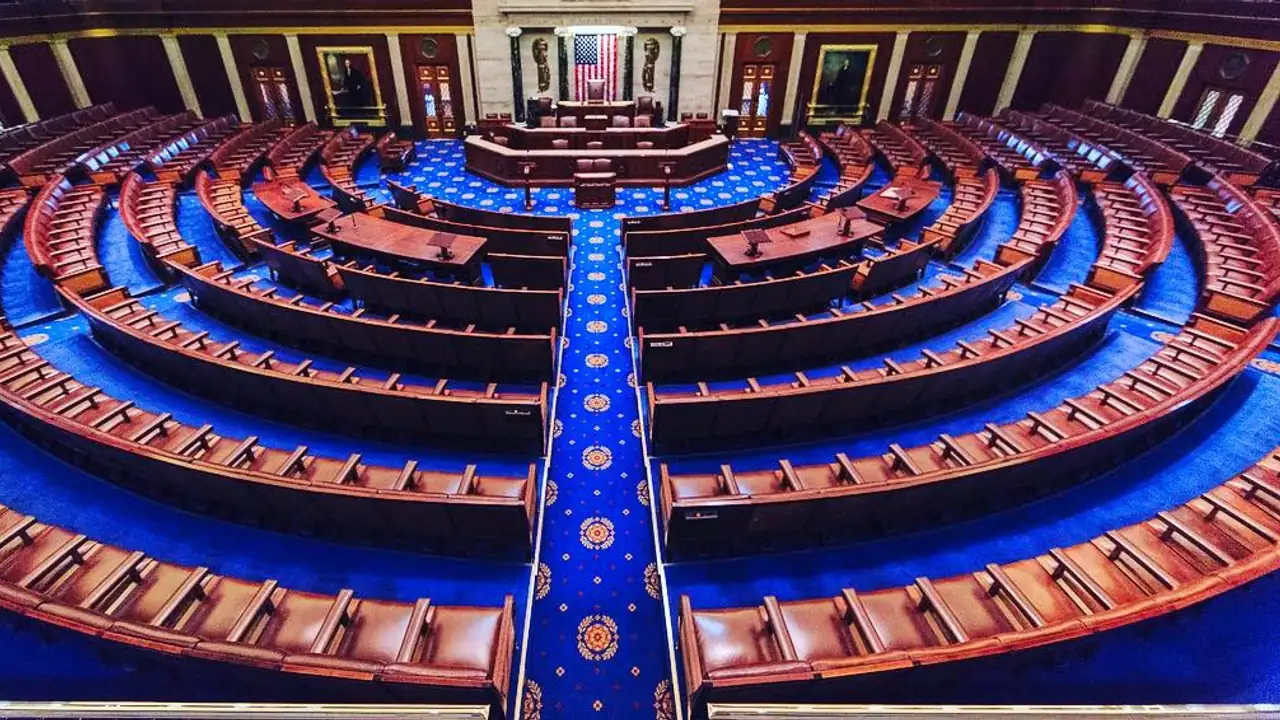
Following a sweeping victory in the midterm elections that secured a 259-to-176 Democratic majority in the House of Representatives, House Democrats have officially selected New York Representative Hakeem Jeffries as their candidate for Speaker. At 56 years old, Jeffries stands on the verge of becoming the first African-American Speaker of the House in United States history when the new Congress is sworn in. While the formal floor vote will take place when the legislature convenes, the midterm landslide ensures his path to the gavel.
Legislative Power and Internal Party Dynamics
As Speaker, Jeffries will hold the third-highest position in the presidential line of succession, controlling the legislative agenda, committee assignments, and crucial congressional investigative panels. Although he ran unopposed for the leadership post, the internal selection process involved strategic friction. Rather than holding a unanimous voice vote to project superficial unity, Jeffries insisted on a secure digital ballot using official House-issued smartphones. This mechanism allowed the progressive wing—projected to exceed 100 members in the new Congress—to voice dissent privately without jeopardizing public unity ahead of the floor vote, while he simultaneously balances the moderate New Democrat Coalition of over 140 lawmakers.
Confronting the White House and Policy Priorities
Jeffries has outlined a dual legislative agenda centered on the cost of living and rigorous oversight of the executive branch. His proposals include restoring health insurance tax credits, halting Medicaid cuts, expanding Medicare coverage, and attempting to roll back presidential tariffs. However, with White House veto power and a 60-vote threshold in the Senate, independent Democratic legislative avenues remain narrow. Political tensions escalated further when the administration appointed Stephen Miller as White House Deputy Chief of Staff. Jeffries sharply denounced the appointment, condemning Miller as a dangerous extremist and demanding his immediate dismissal, signaling an intensely combative dynamic between Capitol Hill and the executive branch.
The Middle East Peace Council and Regional Diplomacy
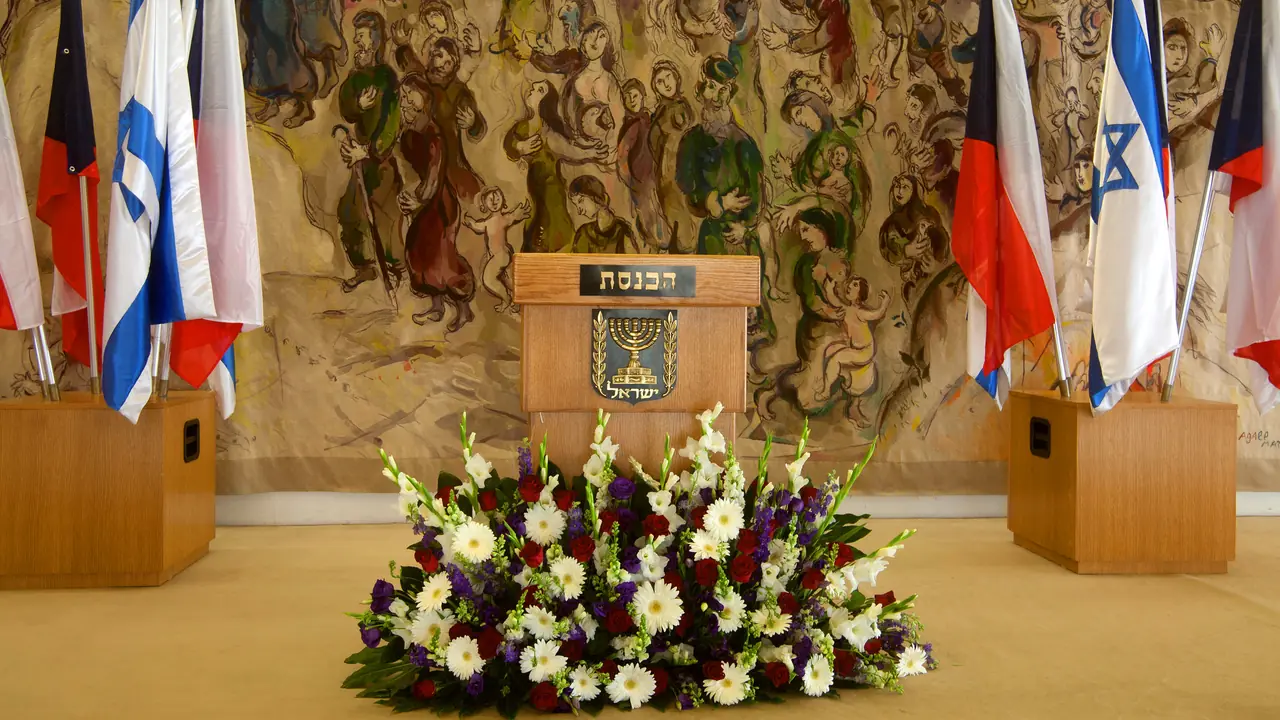
Despite deep domestic polarization, foreign policy—specifically the Trump administration's Middle East peace initiatives—could present a rare area of bipartisan alignment. Earlier, Jared Kushner and Jeffries held a discreet meeting to explore prospective cooperation despite broader partisan clashes. This regional diplomacy has gained momentum as former British Prime Minister Tony Blair, serving as a senior peace council representative, visited Israel and met with President Isaac Herzog to press for accelerated implementation of the twenty-point plan for Gaza. The blueprint envisions civilian oversight committees monitoring the disarmament of Hamas and advancing regional reconstruction pilots, serving as a vital precursor to broader regional normalization agreements. Analysts note that behind the scenes, this quiet legislative understanding could act as a significant catalyst for moving regional stabilization frameworks forward amidst domestic political deadlock.