Haifa District Court Rules Father Can Share Abuse Evidence With Expert
The Haifa District Court ruled that a father suing his ex-partner for psychological damages from witnessing alleged child abuse may forward 24 media files to a psychiatric expert in advance, overturning a lower court restriction.
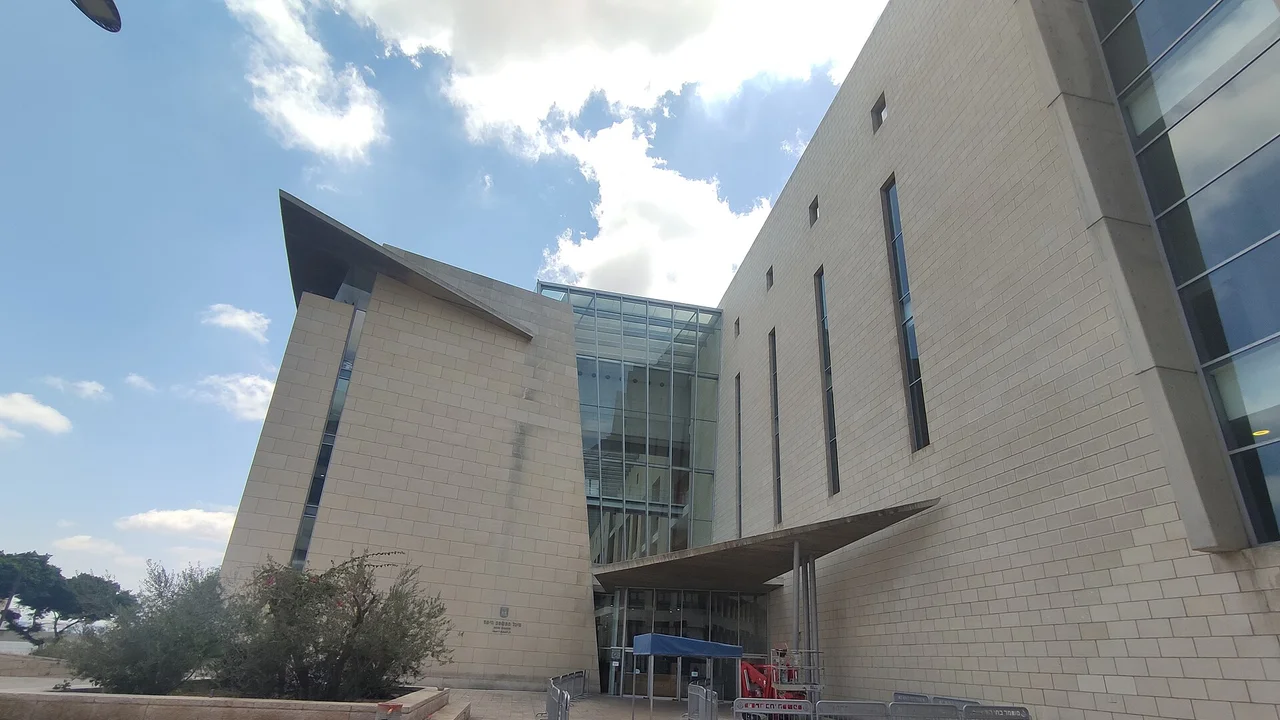
A high-profile legal dispute in the family sector has taken a significant turn after an appellate ruling allowed a father suing his former partner for psychological damages to submit critical evidence to a court-appointed expert. The case, which recently reached the District Court in Haifa, centers on a decade-long relationship between 2010 and 2019 that produced three children.
Following their separation, the father initiated a tort lawsuit against the mother, alleging that prolonged exposure to severe physical and verbal abuse directed at their children caused him profound emotional trauma and lasting psychological disability. To substantiate his claims, he sought to rely on twenty-four media files, including audio recordings, photographs of bruises, and video clips documenting the alleged incidents.
Judicial Conflict Over Expert Access
Earlier in the proceedings, the Family Court appointed a psychiatric expert to evaluate the father's mental state and assess any correlation with the mother's alleged conduct, while initially barring the parties from transferring the media files directly to the specialist. In his initial assessment, the expert attributed 20 percent of the father's condition to stress stemming from the family dynamic, noting that he could not quantify the mother's specific share without reviewing the raw documentation.
When pressed during clarification questions, the expert emphasized that evaluating the case without the media files limited his analysis to standard familial breakup stress, adding that any change in the evidentiary basis would require judicial approval and a revised opinion. The lower court subsequently ruled that the files could only be presented to the expert during cross-examination, citing concerns that early exposure might compromise his neutrality amid ongoing disputes over the authenticity of the evidence.
Appellate Intervention and Rulings
Represented by attorney Eti Sadis, the father filed a motion for leave to appeal, arguing that introducing complex trauma evidence for the first time on the witness stand would prevent the expert from conducting a proper psychological analysis. Meanwhile, counsel for the mother, attorney Eitan Glick, contended that the submitted materials were doctored and designed to manipulate the expert, maintaining that the original ruling preserved professional objectivity.
District Court Judge Hananel Sharabi accepted the father's appeal, noting that the presentation of the materials had already been authorized in principle, leaving timing as the central issue. The judge ruled that the expert must be given adequate time to review the twenty-four items in advance rather than being ambushed with voluminous files during cross-examination. Furthermore, the court ordered that if the father requests to question the expert, the evidentiary files must be transferred fourteen days in advance, while granting the mother the right to raise concrete objections during subsequent proceedings. The mother was also ordered to pay 3,000 shekels in appeal expenses within thirty days.