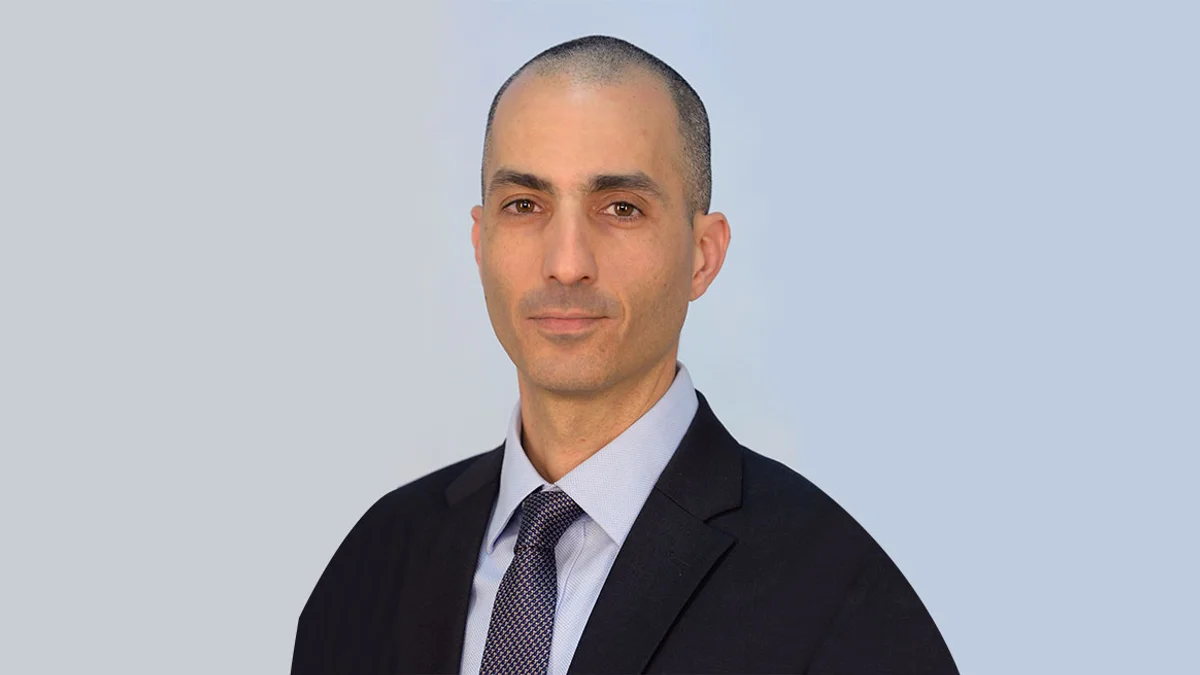
Government Debt and AI Infrastructure to Drive Market Trends, Says Mizrahi-Tefahot Executive
Government debt growth and AI infrastructure funding will dictate stock market trends, says Adi Shahaf of Mizrahi-Tefahot Bank, pointing to massive US debt and future Israeli financing needs.

Government debt growth and artificial intelligence infrastructure funding will heavily drive stock market trends in the coming year, according to Adi Shahaf, head of the Financial Division at Mizrahi-Tefahot Bank. Speaking at a financial conference, Shahaf noted that while investors and the economic press primarily focus on equities, developments in the debt market are set to exert a stronger influence than before.
Shahaf highlighted US public debt exceeding $40 trillion, alongside declining holdings of US government bonds by Japan and China. He emphasized that evaluating debt relative to GDP alone is insufficient, as its absolute financial scale and the market's absorption capacity are critical. While he does not foresee a sharp debt crisis or a bubble, he stressed that debt cannot continue expanding indefinitely, though he remains fully confident in the US government's ability to meet its obligations.
Addressing the impact of artificial intelligence on inflation, Shahaf differentiated between the short and long terms. In the long run, the technology is expected to lower prices as automation replaces expensive labor. However, in the near term, AI investments, data center expansion, and soaring energy demand are generating inflationary pressures from the supply side, with net expenditures currently outpacing savings.
Shahaf also pointed to massive funding requirements by tech giants for AI infrastructure, noting that long-term project commitments amount to hundreds of billions of dollars. Comparing this to historical technological shifts like railways and telecommunications, he noted that heavy infrastructure financing through debt is standard practice, and while failures may occur, it does not constitute a market bubble.
Turning to Israel, Shahaf projected extensive financing needs, estimating the state will need to raise approximately 200 billion shekels in 2027 to cover debt redemptions and the fiscal deficit. He noted that long-term government bonds currently present attractive opportunities for investors willing to exercise courage and patience amid ongoing yield volatility.