Spain Election Debate Explodes Over Middle East Policy and Far-Right Alliances
Spain's snap parliamentary election debate featured heated clashes between radical-left leader Ada Colau and far-right leader Santiago Abascal over Middle East policy and migration.
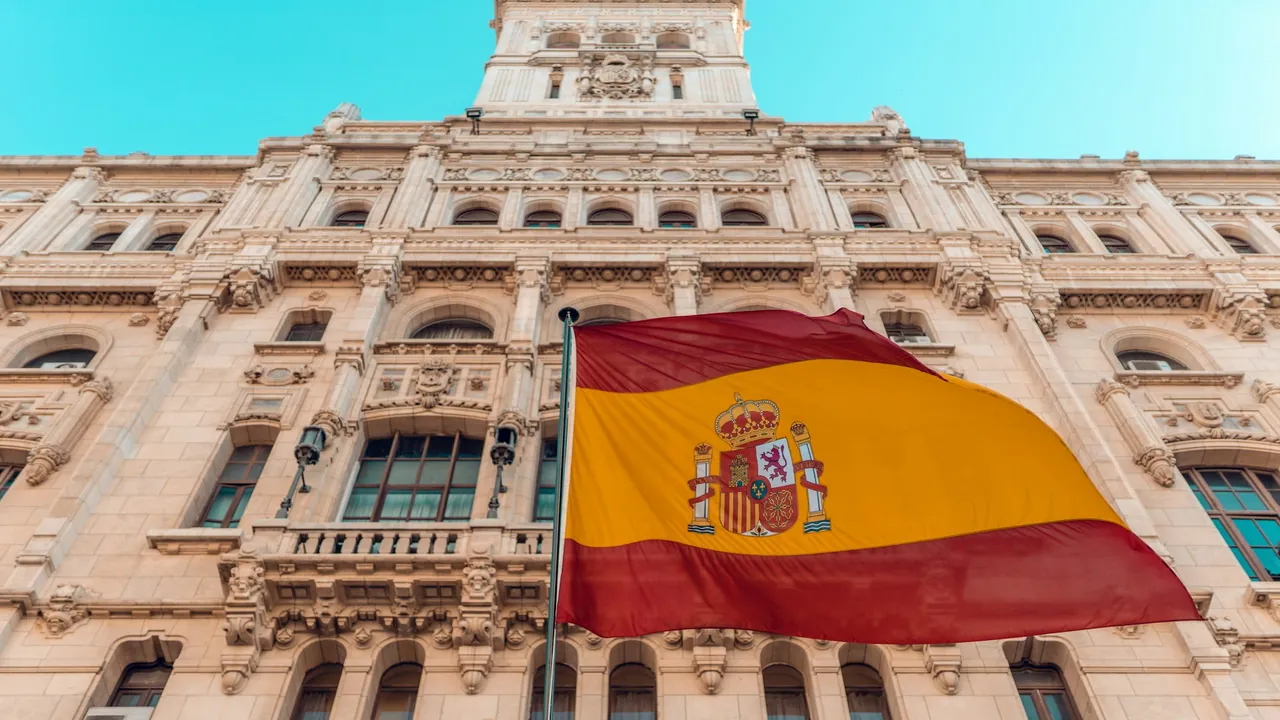
A high-stakes televised debate ahead of Spain's snap parliamentary elections descended into fierce verbal clashes over foreign policy, migration, and the Middle East conflict. The broadcast, organized by the Spanish Television Academy, brought together the leaders of Spain's four major political parties as polls project a competitive race for Sunday's vote.
Clash Over Middle East Policy and International Ties
During a segment dedicated to foreign policy and migration, Ada Colau, leader of the radical-left Sumar-allied movement and former mayor of Barcelona, targeted Santiago Abascal, leader of the far-right Vox party. Referencing praise from Israeli Diaspora Affairs Minister Amichai Chikli, who called Abascal a "true friend" and Israel's top advocate in Spain, Colau pressed her opponent on his stance regarding Prime Minister Benjamin Netanyahu's government. "What do you owe to Netanyahu after that?" Colau asked.
Abascal fired back immediately, turning the focus to Colau's past activism and her participation in international flotilla missions to the Gaza Strip. "Do you want me to answer? Fine. What do you owe to Hamas?" Abascal retorted, accusing the radical-left politician of promoting migration policies that threaten Spain's cultural identity and security.
The debate also saw sharp divisions between Prime Minister Pedro Sánchez and conservative People's Party (PP) leader Alberto Núñez Feijóo regarding the nature of military operations in Gaza. Feijóo characterized the campaign as a massacre, citing statements by Spain's King Felipe VI at the United Nations, while Sánchez insisted on labeling the conflict a genocide.
Migration, Scandals, and Political Stakes
The campaign trail has been defined by fierce debates over immigration, economic challenges, and housing crises. Abascal slammed Sánchez's administration for welcoming millions of migrants over the past five years, arguing that open-door policies have strained national infrastructure. Meanwhile, Sánchez defended his record, highlighting his opposition to US President Donald Trump and his stance on international conflicts as proof that Spain serves as a global beacon.
Polls indicate that Feijóo's conservative party is leading ahead of the election, though forming a stable government will likely require a coalition with Abascal's Vox. Such an alliance would mark the first time a far-right party enters the Spanish government since the fall of the Franco dictatorship in 1975, setting the stage for a pivotal political shift.