Global Markets Rally as Trump Signals Restraint on Iran and Oil Prices Drop
Global financial markets rallied on Tuesday as US President Donald Trump announced plans to avoid further military strikes against Iran, driving a sharp drop in oil prices. Brent crude fell to $91.56 per barrel, while Asian and US stock indices posted significant gains.
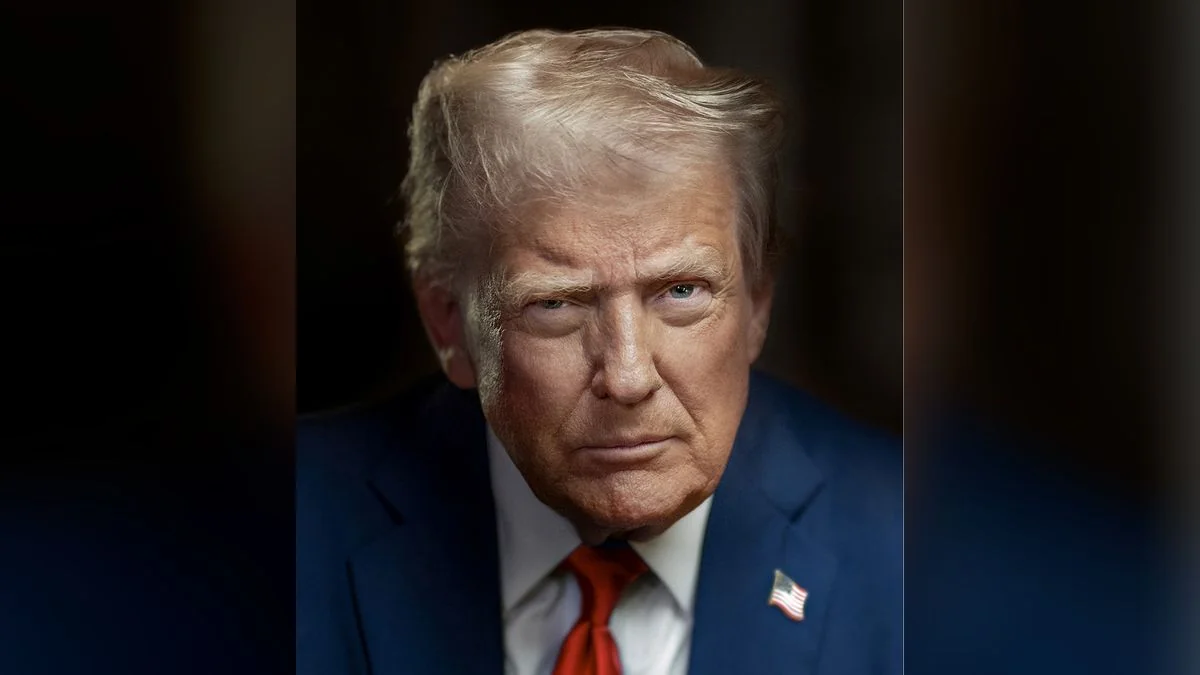
Global financial markets rallied on Tuesday, buoyed by US President Donald Trump's announcement that he intends to refrain from launching additional military strikes against Iran. The prospect of renewed diplomatic talks between Washington and Tehran triggered a sharp decline in oil prices and gains across Asian stock exchanges, easing weeks of conflict-driven volatility.
The most prominent reaction to the diplomatic signal occurred in the energy market. Brent crude oil futures, a key global benchmark, fell by roughly 1% to $91.56 per barrel, reaching their lowest level since early September. Analysts noted that the reduction in geopolitical tensions directly alleviates concerns over potential disruptions to global energy supplies.
Cheaper energy costs offer broad economic relief by lowering transportation and manufacturing expenses, which can ultimately help curb inflation. This optimism reverberated across Asian markets: South Korea's Kospi index surged over 5%, Japan's Nikkei 23%, and broader Asia-Pacific equity gauges advanced about 1.5%. This rebound follows a severe market slump that drove shares to seven-month lows.
Inflation Pressures and Interest Rate Outlook
Since the outbreak of the conflict between the United States, Israel, and Iran in late February, energy prices have remained a primary driver of global economic instability. Higher oil costs inflate operational expenses for businesses, which frequently pass these burdens onto consumers, accelerating inflation rates worldwide.
To combat persistent price increases, central banks globally have maintained elevated interest rates, which in turn constrain consumer borrowing and business financing. The recent downward correction in oil prices is thus viewed favorably, as it could eventually alleviate inflationary pressures and reduce the likelihood of further monetary tightening.
Despite the positive momentum, market strategists caution against premature optimism. Nick Twidale, chief analyst at ATFX Global, noted in a statement to the press that a significant gap remains between initiating diplomatic contacts and securing a stable political accord. He warned that markets may have advanced too rapidly, and any deadlock in negotiations could swiftly reverse the trend.
Wall Street Rebound and Tech Sector Developments
The recovery extended beyond Asia, with US equities recording strong gains on Monday. The S&P 500 index surged 2.35% to post its largest daily increase since April, while the tech-heavy Nasdaq composite advanced 2.7% in its best session in over four months.
Simultaneously, semiconductor giant Nvidia found itself at the center of corporate scrutiny. The company announced that its board of directors is reviewing whether CEO and founder Jensen Huang was the target of foreign intelligence activities. Nvidia shares fell 4.2% amid investor apprehension regarding potential leadership implications.
Daniel Morgan, a portfolio manager at Synovus Trust, remarked that in major technology firms, the identity of the founder is frequently intertwined with corporate success. Nevertheless, market participants await upcoming earnings reports, which are expected to provide further clarity on the sector's trajectory as US inflation data for October looms.