From African Farms to Israeli Shelves: Decoding Cashew Price Markups
Israel's cashew market reveals wide price gaps driven by complex global supply chains, fluctuating import costs, and local retail markups exceeding raw material values.
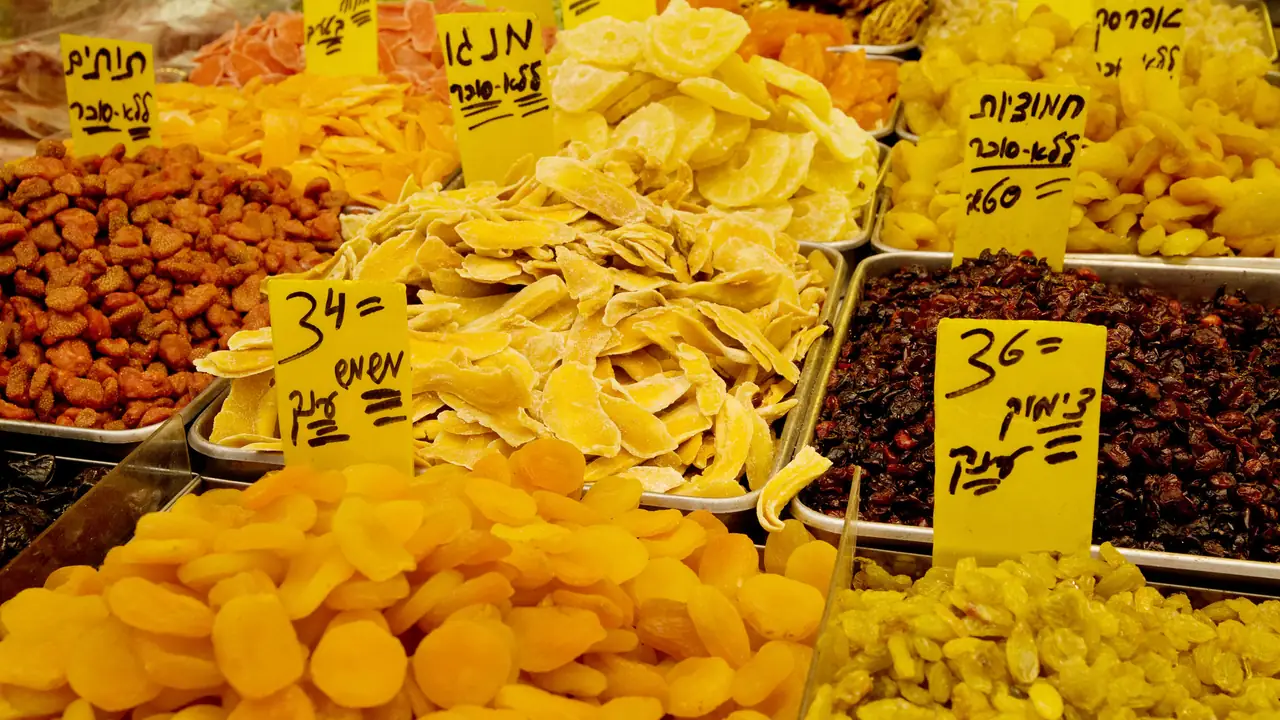
Cashew nuts have evolved into one of Israel's most popular snacks, featuring prominently in weekend gatherings, Asian dishes, and vegan spreads as a luxury food item. However, behind the buttery texture lies a complex global supply chain marked by significant price markups that extend far beyond raw material costs.
Nearly all cashews sold in Israel are imported, originating primarily from West Africa and Asia. Côte d'Ivoire leads global production, with an official forecast of 1.5 to 1.7 million tonnes of raw nuts for the 2026 season. The Ivorian government established a minimum farmgate price of 400 West African CFA francs per kilogram, approximately $0.70, representing a 6% decline from the previous year. However, raw nuts in shells undergo substantial weight loss during processing. Following drying, thermal treatment, cracking, and peeling, only about 27% of the original weight remains as edible kernel, meaning 370 grams of raw nuts are required to yield 100 grams of processed cashews.
Global Processing and Import Dynamics
The vast majority of raw cashews are exported to Vietnam and India for processing, sorting, and packaging. In spring 2026, raw nuts from Côte d'Ivoire were offered to Asian processing facilities at approximately $1,550 per tonne. By summer, wholesale whole cashew kernels of grade 320—the most common grade in international trade—traded at $3.05 to $3.25 per pound for export from Vietnam.
According to World Bank trade data, Israel imported 6,409 tonnes of cashews valued at $47.3 million in 2025, down from 7,964 tonnes valued at $50.4 million in 2024. While import volume decreased by 19.5%, the average price per kilogram rose from $6.33 to $7.38, an increase of 16.6%. Vietnam accounted for 74% of Israel's import volume, demonstrating that the country of origin differs from the country of shipment. Concurrently, the US dollar depreciated sharply against the shekel over the past year, dropping from around 3.3 shekels in autumn 2025 to approximately 3.1 shekels, raising questions regarding whether importers and retailers fully passed currency savings on to consumers.
Price Disparities on Israeli Shelves
Wholesale import costs average about 2.30 shekels per 100 grams, yet final retail prices multiply this baseline by a factor of 2.5 for cheap loose displays up to 6 for premium packaged goods. While legitimate operational expenses—including roasting, oil, salt, packaging, logistics, storage, waste, wages, and 18% VAT—account for part of the gap, store-to-store variance remains high. For example, a 150-gram branded package by Sasson is sold at 13.90 shekels at Stop Market compared to 20.50 shekels at Tiv Taam, representing a 47% price discrepancy for the exact same product.
Market analysis reveals four common consumer traps regarding loose versus packaged cashews:
-
Loose display price variance: Loose roasted cashews range from 5.90 to 12.30 shekels per 100 grams, while branded packages range from 9.27 to 13.67 shekels. The most expensive loose cashews actually cost more than most packaged alternatives, defying the assumption that loose sales are invariably cheaper.
-
The scoop effect: Self-service bins remove structural packaging limits, frequently prompting shoppers to take extra quantities and resulting in higher overall spending.
-
Price anchoring: Loose displays highlight price per kilogram, while packages display smaller total price tags, creating a psychological illusion of higher costs.
-
Unknown quality: Bulk bins rarely display sorting grades, country of origin, or roasting dates, exposing high-fat nuts to air and potential oxidation.
Ultimately, purchasing loose cashews yields savings only when consumers strictly compare prices per 100 grams, pre-determine purchase quantities, and verify high inventory turnover.