Germany Prepares New Strategy and Increased Financial Grants to Return Syrian Refugees
Germany is developing a plan to accelerate the return of Syrian refugees by 2027 through increased financial incentives, housing reconstruction funds, and streamlined deportation procedures.
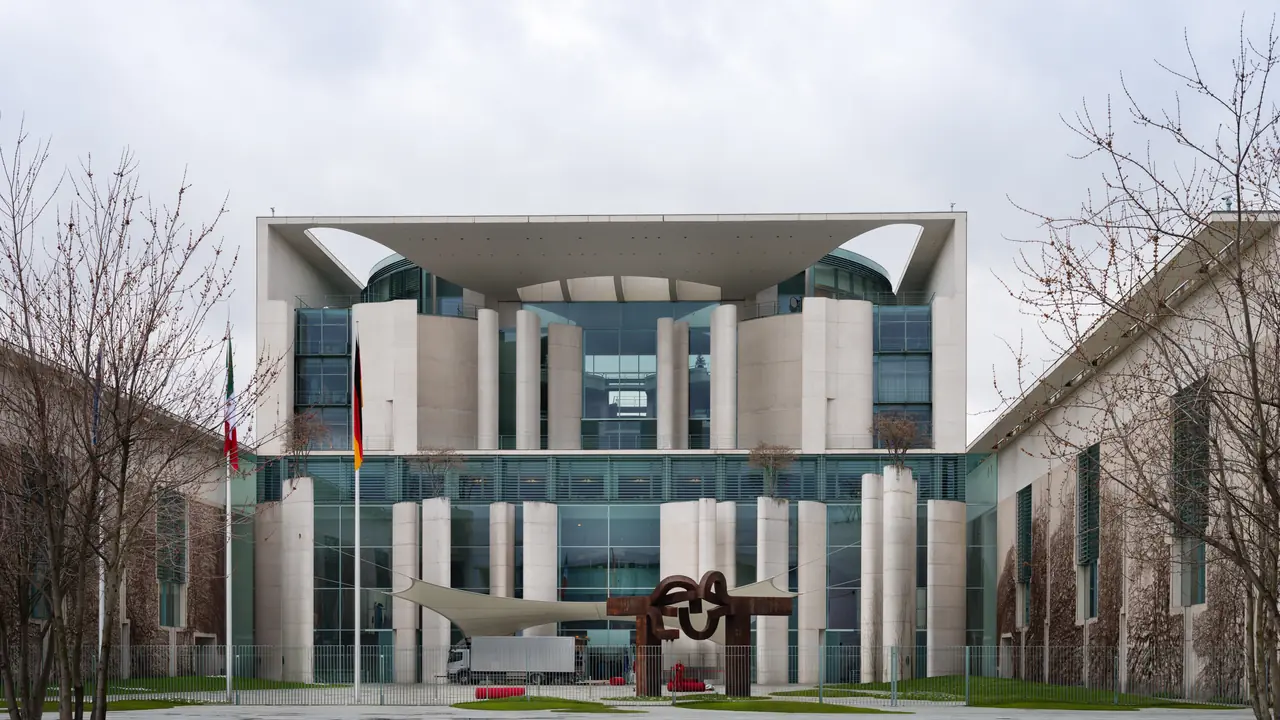
The German government under Federal Chancellor Friedrich Merz is formulating a comprehensive strategy to accelerate the return of Syrian refugees to their homeland by 2027. The initiative features increased financial grants of up to 8,000 euros for adult refugees willing to voluntarily leave Germany, alongside expanded infrastructure reconstruction efforts inside Syria.
Financial Incentives and Housing Reconstruction
Under the existing framework, a family of four can receive up to 3,600 euros alongside flight ticket financing. The Federal Ministry of the Interior is currently reviewing mechanisms to overhaul these grants, streamline bureaucratic procedures, and enhance informational outreach. Alongside direct financial assistance, Germany plans to invest 20 million euros from the federal budget to rehabilitate and construct approximately 1,500 housing units in Syria by the end of 2029, providing shelter for an estimated 10,000 individuals. Additionally, Berlin is supporting legal advisory bodies to help returning citizens reclaim property lost during the civil war, while Eurowings is set to launch direct flights from Hamburg to Damascus starting January 11.
Deportation Measures and Security Challenges
Parallel to voluntary incentives, German authorities are tightening enforcement procedures. State interior ministers are scheduled to discuss a Brandenburg proposal in early December aimed at unifying protection status revocation and residency permit cancellation processes, a change expected to cut deportation procedures by at least 11 months. Although about 14,600 Syrian nationals were obligated to leave Germany as of July, most hold temporary deportation stays.
Germany currently hosts more than 900,000 Syrian citizens, many of whom arrived during the 2015 migration wave under former Chancellor Angela Merkel. While Federal Chancellor Friedrich Merz previously set a target for 80 percent of Syrian residents to return within three years following a meeting with transitional President Ahmed al-Sharaa, actual return rates remain low. Between January and October, 5,468 Syrian citizens departed Germany with state financial assistance, while roughly 3,000 left independently. Meanwhile, officials in Damascus warn that widespread infrastructure destruction, high unemployment, and economic instability could lead to severe domestic chaos if large-scale returns are enforced prematurely.