European Rabbis Warn of Institutional Antisemitism and Dangerous Israeli Rhetoric
At the Conference of European Rabbis in Strasbourg, leaders warned of rising institutional antisemitism and criticized Israeli ministerial rhetoric for endangering diaspora communities amid regional security threats.
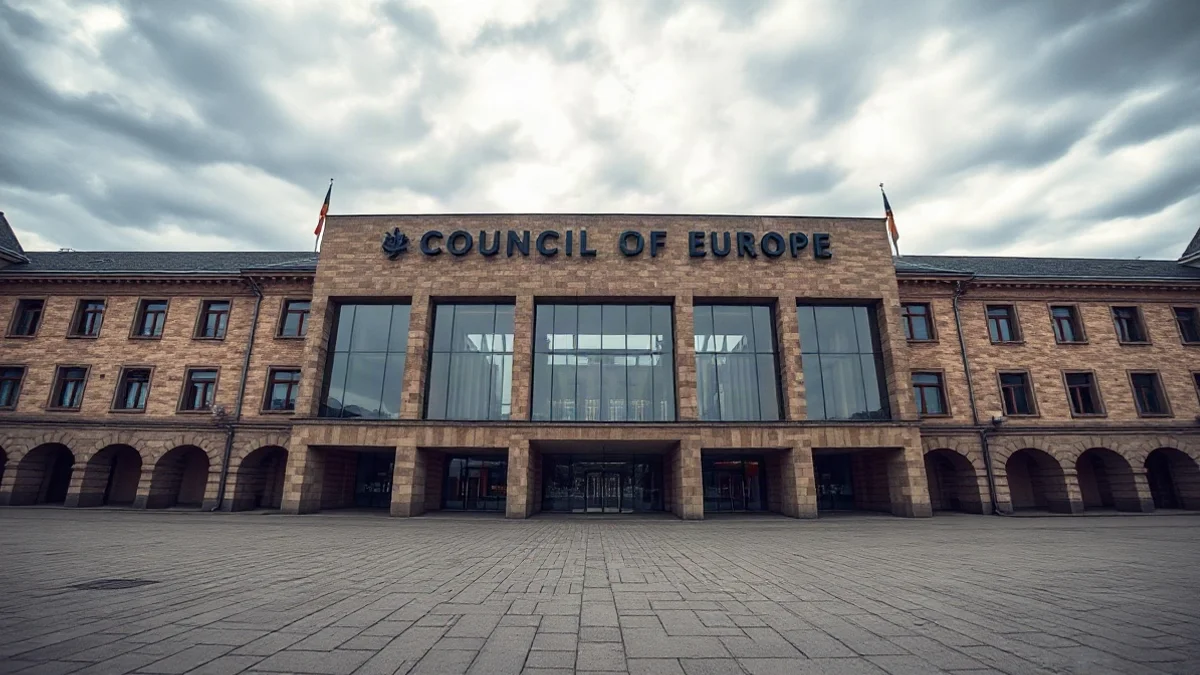
Gathered in Strasbourg for its annual assembly, the Standing Committee of the Conference of European Rabbis convened to address a rising tide of institutional antisemitism, direct threats from Iran, and growing community anxieties across the continent. Rabbi Pinchas Goldschmidt, re-elected to a fourth five-year term as president of the conference, outlined a complex reality for European Jewry. While physical street assaults have somewhat receded from the post-October 7 peaks—noting 1,320 antisemitic incidents in France during 2025—antisemitism has evolved into a normalized, systemic challenge. Goldschmidt pointed to hidden discrimination in workplaces, academia, and the arts, where Jewish authors struggle to find publishers willing to take commercial risks on Israeli-linked works.
Condemnation of Israeli Cabinet Rhetoric and Far-Right Outreach
The European rabbinical leadership voiced acute concern over the strategic fallout of Israeli government policies on diaspora communities. Goldschmidt launched a sharp critique against Israeli Finance Minister Bezalel Smotrich and National Security Minister Itamar Ben-Gvir, condemning unchecked nationalist violence in Judea and Samaria. "Are Smotrich and Ben-Gvir thinking for a moment before they open their mouths about the consequences of their words on the Jews of Europe and the USA?" Goldschmidt asked, warning that international sanctions on Israel provide local antisemites with a green light to target Jewish communities. He further rebuked Diaspora Affairs and Combating Antisemitism Minister Amichai Chikli for engaging with European far-right factions such as Germany's Alternative for Germany (AfD), arguing that such diplomatic outreach endangers local communities by using them as unwitting political props.
Iranian Terror Networks and Russian Online Agitation
Identifying Iran as the primary source of terror against European Jewish institutions, Goldschmidt highlighted operations utilizing local criminal syndicates, including suspected involvement in arson attacks against synagogues and ambulances in the United Kingdom. He welcomed the European Union's decision, spearheaded by Germany, to designate the Islamic Revolutionary Guard Corps as a terrorist organization. Simultaneously, the conference addressed the nexus between the war in Ukraine and online hate speech. Research cited during the sessions indicated that when Ukrainian forces struck Russian data centers, anti-Jewish online posting volumes dropped by 60 to 70 percent, demonstrating how disinformation is systematically deployed to destabilize European political support.
High-Level Meetings and Rabbinical Consensus on Halachic Matters
During the multi-day summit, European rabbinical leaders and Israeli Chief Rabbis David Yosef and Kalman Ber held strategic meetings at the European Parliament and the Council of Europe with senior officials, including Human Rights Commissioner Michael O'Flaherty and Commissioner for Home Affairs and Migration Magnus Brunner. In parallel, the Rabbinical Court of Moscow and European Orthodox leadership established a united front on conversion standards, rejecting unauthorized conversions conducted without local community infrastructure. Rabbi David Yosef also shared recent rulings on agunot rescue efforts and surrogacy definitions, while discussions spanned the protection of religious freedoms regarding ritual slaughter and circumcision, alongside agricultural import pilots and AI-readiness for community educational institutions.