The Comeback of the Prince: Gamal Mubarak Positions Himself for Egypt 2030
Gamal Mubarak is orchestrating a calculated political comeback in Egypt, positioning himself as a civilian-technocratic alternative ahead of President el-Sisi's planned departure by 2030.
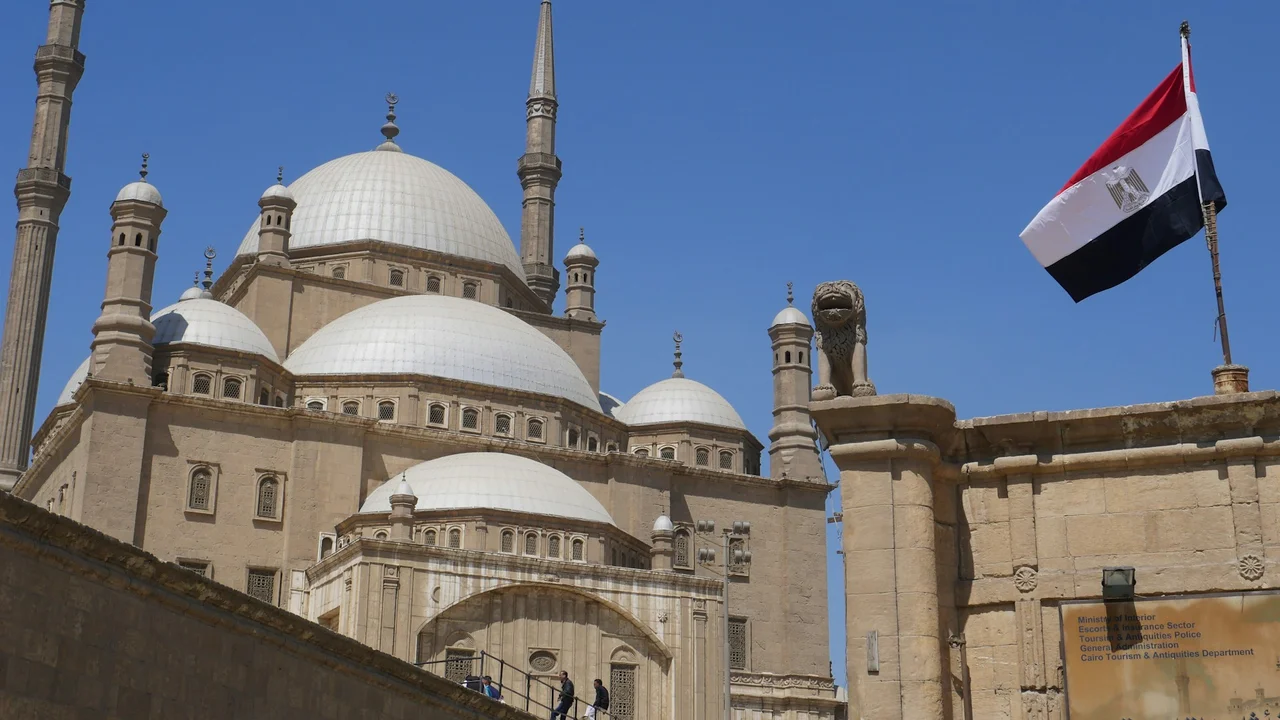
Beneath the turbulent surface of Middle Eastern geopolitics, a quiet and calculated political resurrection is unfolding in Cairo. While global attention has long focused on the polarized rivalry between the military establishment and Islamist movements, Gamal Mubarak, the son of the late Egyptian president Hosni Mubarak, is steadily positioning himself for a remarkable return to the political arena. Once branded as the symbol of crony capitalism that sparked the 2011 Arab Spring, Mubarak has spent the past decade methodically clearing his legal record, rebuilding his reputation, and aligning himself with a populace fatigued by economic austerity.
A Decades-Long Legal Rehabilitation
The year 2011 marked a profound nadir for the Mubarak family, as Gamal found himself handcuffed alongside his father and brother amid sweeping corruption charges. While his father retreated into bitter isolation and his brother, Alaa, adopted a combative stance, Gamal demonstrated chilling composure. He rejected exile and chose to fight the battles on domestic ground, realizing that any political comeback required the complete dismantling of the financial and criminal allegations stacked against him. Over the ensuing decade, through precise legal maneuvering, he successfully dismantled the core corruption indictments. Although convicted in 2015 in the presidential palaces case and sentenced to three years in prison, he systematically overturned remaining financial charges, lifted EU asset freezes, and dissolved travel bans, thereby securing practical clearance for a return to public life.
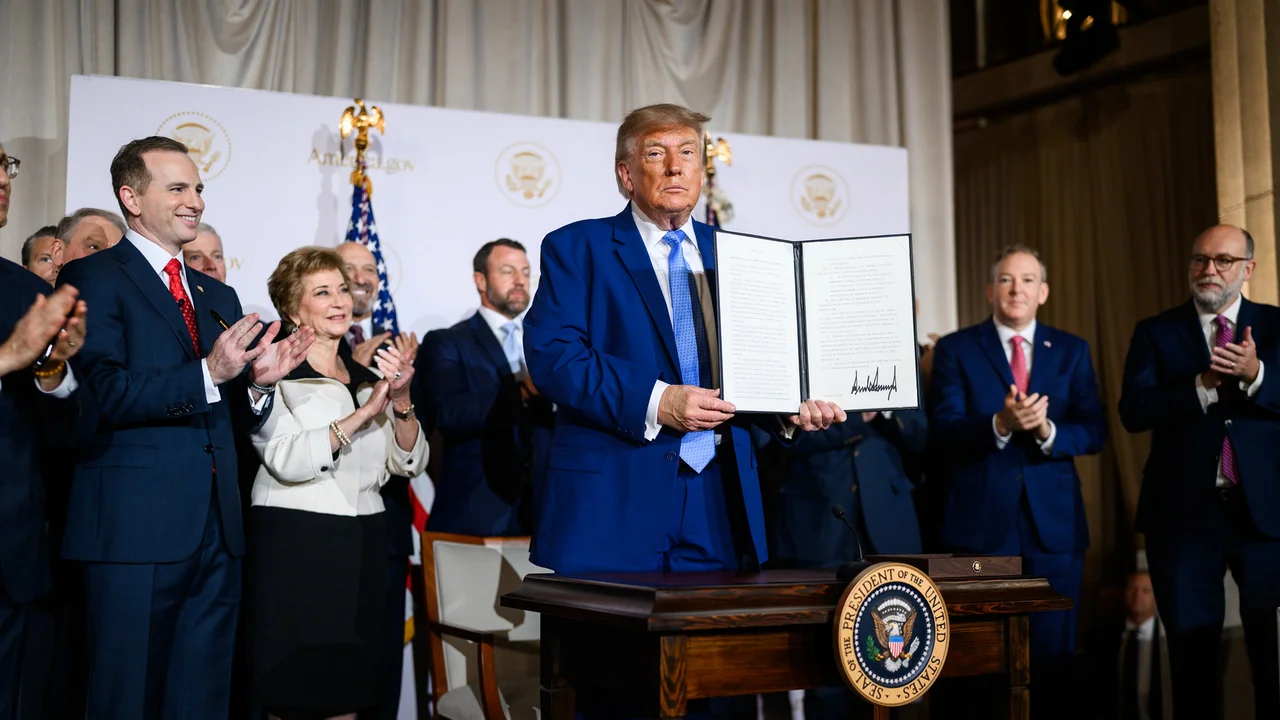
This legal rehabilitation now intersects with a defining moment in Egyptian statecraft. President Abdel Fattah el-Sisi has repeatedly pledged that his tenure will conclude definitively by 2030, setting a hard countdown for the nation's leadership. However, rather than leaving the succession to open democratic competition, the regime is actively engineering a controlled transition. President el-Sisi's legislative proposal mandates that a select group of doctorate holders aged 40 to 50 undergo a grueling 30-month training program at the Military Academy. Grounded in Article 200 of the constitution—which tasks the armed forces with protecting the civil and democratic character of the state—this initiative treats the military academy as a supreme filter for top civilian posts.
Navigating the 2030 Leadership Transition
This institutional architecture creates deep structural tension. While el-Sisi seeks to institutionalize a military-filtered technocracy to ensure stability, the broader socio-political environment yearns for alternative hope. After a decade of economic hardship, many citizens view the late Hosni Mubarak era through a lens of pragmatic nostalgia, recalling predictable exchange rates and relative stability. Concurrently, the security establishment harbors growing anxieties regarding the stagnation of a centralized economic model. If mounting public pressure threatens regime stability, elites may ultimately seek a Western-educated, pragmatic technocrat—such as a former investment banker and American University in Cairo alumnus—to safeguard military privileges while replacing an exhausted figurehead at the helm.
Analysts predict that a prospective leadership transition prior to 2030 will unfold through controlled, internal mechanisms rather than street revolts or military coups:
-
Economic Maturation: Escalating financial pressures will compel the security apparatus to recognize that a change at the top is vital for systemic preservation.
-
Institutional Guarantees: A figure like Gamal can assure the military of its investment portfolios and constitutional autonomy in exchange for a transition to civilian-technocratic management.
-
Dignified Exit: President el-Sisi can be led to a timed retirement under the guise of statecraft and health, fully protected by comprehensive guarantees.
-
Administrative Institutionalization: Parliament and the judiciary will swiftly ratify the framework, presenting Gamal as a professional solution capable of stabilizing the nation vis-a-vis international financial institutions.
Geopolitical Implications and Future Outlook
Gamal's frequent appearances at elite gatherings and memorial events consistently draw enthusiastic crowds and ignite digital discourse. The private sector views him as a fluent speaker of global capital, while the exhausted public displays spontaneous warmth as a barometer of their frustration with economic austerity. On the regional and international stage, a transition centered on Gamal would trigger significant shifts in diplomatic posture:
-
The West: Relations with Washington and financial institutions would shed the rigid image historically associated with military rulers.
-
The Gulf: Cairo would transition from a model of aid dependency to a partnership anchored in mutual investments.
-
Israel: Full continuity would be guaranteed regarding security coordination and the peace treaty, alongside potential avenues for broader economic and commercial integration.
Ultimately, Mubarak is presenting himself as a civilian-economic contingency plan for an exhausted nation facing a hard deadline in 2030. Whether navigating military training frameworks or mounting economic crises, the former investment banker stands ready to step into the administrative vacuum, armed with legal absolution, elite backing, and an acute sense of historical timing.