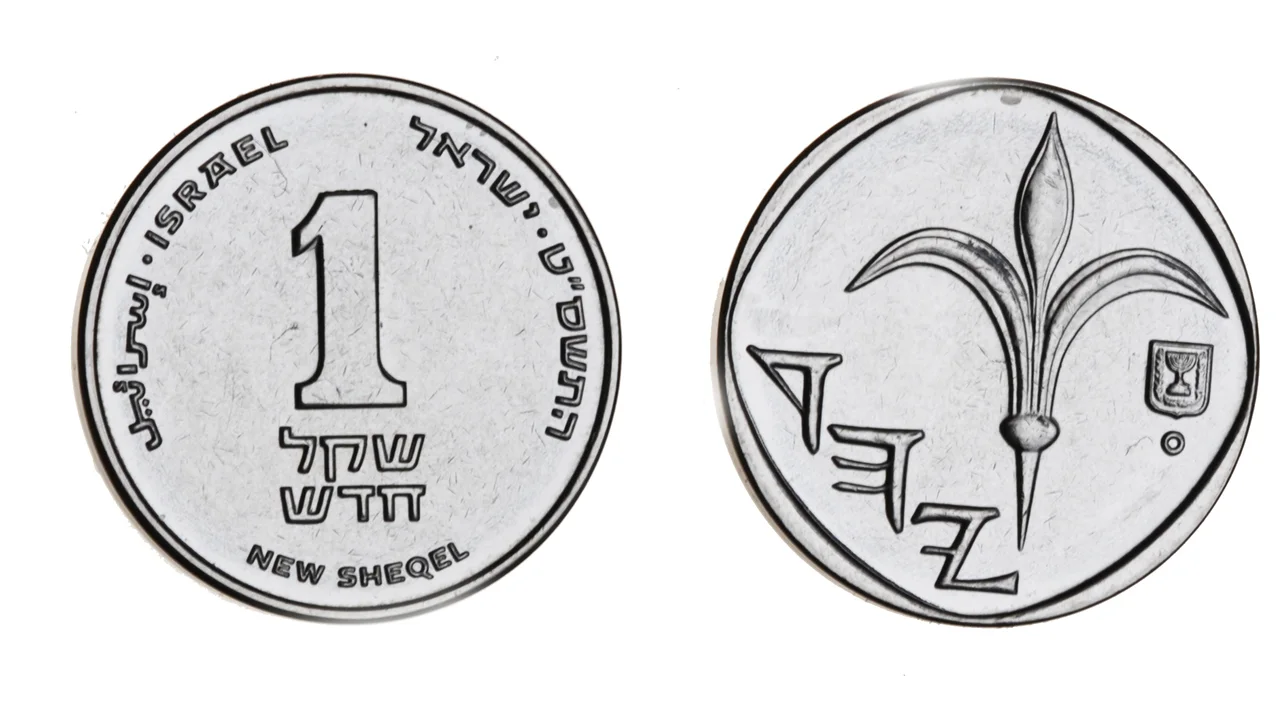
Why Falling Global Oil Prices May Not Lower Fuel Costs at Israeli Pumps
Global oil price drops may fail to lower fuel costs in Israel for December as a weaker shekel and potential tax changes threaten to keep 95-octane gasoline near 7.85 shekels.
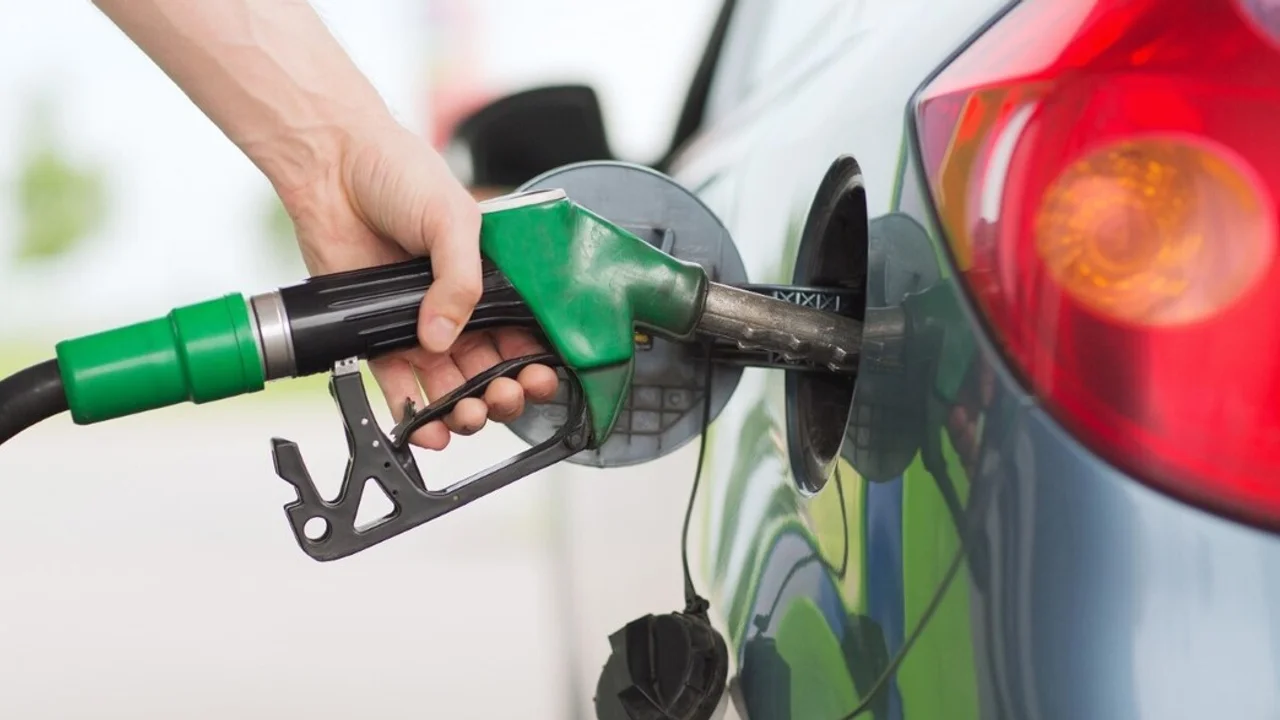
Global crude oil prices are falling, but drivers in Israel may not see relief at the pump ahead of the December price adjustment. While international energy costs trend downward, the weakening shekel against the US dollar and potential changes to government fuel tax policies threaten to offset consumer savings.
Market Dynamics and Currency Impact
Ahead of each monthly fuel reset, international benchmark prices and exchange rates are sampled to determine domestic rates at the station. Yoni Panning, chief strategist at Mizrahi Tefahot, estimates that current market shifts point to a natural price reduction of approximately 13 agorot per liter under the pricing formula. However, currency fluctuations are acting as a major counterweight.
Recent declines in US stock indices have pushed the dollar to around 3.325 shekels, compared to 3.128 shekels during the November pricing window. This roughly 6.3% appreciation of the US currency significantly increases the local cost of importing fuel.
"In terms of global prices, the exchange rate of the shekel is obviously the prominent factor in fixing the final price," explains Panning.
Offsetting the currency effect, international oil supplies have expanded alongside rising activity around the Strait of Hormuz, driving regional energy prices down. Panning notes that Brent crude futures have fallen by roughly 20% to about 89 dollars a barrel, marking the lowest level since August, alongside moderate declines in refining margins.
The Role of Excise Tax Policy
Beyond market movements, the final price at the pump hinges heavily on government excise tax ("blue tax") policies. The temporary reduced tax rate is set to expire on November 30, and the Ministry of Finance has yet to finalize its decision regarding whether to extend the relief into December.
Tax adjustments have already impacted drivers this month; on November 5, the maximum self-service price for 95-octane gasoline rose from 7.35 to 7.85 shekels per liter following an update to the tax rate. If authorities scale back the excise discount further in December, it could entirely erase the projected market-driven relief.
Panning expects that the remaining tax discount, which stands at roughly half a shekel per liter, will likely be reduced:
"We expect the discount to be curtailed, and we will continue to see fuel prices at the station hovering close to 7.85 shekels per liter for 95-octane, excluding full-service fees."
If officials decide to maintain the current tax subsidy level, consumers could finally experience the calculated market drop at the pump, subject to the final end-of-month sampling data.