Aulder Capital Real Estate Crisis Wipes Out Millions in US Investments
Real estate firm Aulder Capital faces severe financial distress as 103 million dollars in assets encounter foreclosure or heavy losses, wiping out investor equity.
Aulder Capital, a US-focused real estate investment firm managed by Israeli executives, has plunged into a severe financial crisis, leaving assets valued at 103 million US dollars facing distress and potential write-offs. Founded in 2012 by Tzvika Chalamish, a former deputy accountant general at the Israeli Ministry of Finance, and real estate developer Yona Bamberger, the firm once boasted a cumulative transaction portfolio exceeding one billion US dollars. The company's collapse highlights the vulnerability of highly leveraged overseas investments amid soaring borrowing costs and shifting municipal regulations.
Failed Projects and Investor Losses
According to court filings and investor disclosures, multiple flagship properties have encountered critical financial distress, with several assets entering foreclosure or selling at steep losses. In Myrtle Beach, South Carolina, Aulder acquired 25 properties in March 2022 for 31.75 million US dollars, utilizing 14.5 million US dollars in investor equity. Marketed with a projected annual yield of approximately 20 percent, the portfolio suffered severe cash flow deficits as loan repayments stalled. The properties were sold in 2026 for approximately 18 million US dollars, wiping out the 14.5 million US dollars in equity, which included capital raised through Israeli funds such as Broad 40 and Atlantic.
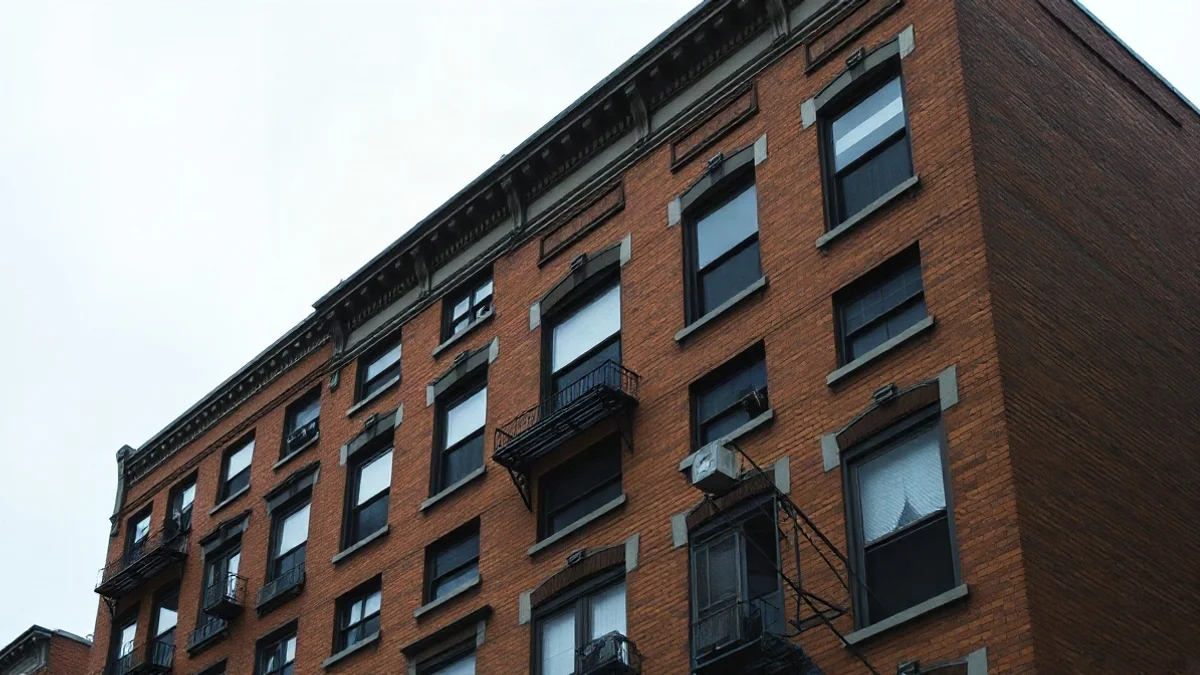
Additional distress emerged in Manhattan, where Aulder acquired a residential building on 93rd Street in 2021 for 45.6 million US dollars. The deal encompassed 111 apartments intended for staged sales, promising investors a 20 percent annual return on 21.3 million US dollars of planned equity. Slow unit sales and subsequent lender-initiated foreclosure proceedings in 2024 have placed investor capital at significant risk. Meanwhile, a Broadway building acquired in March 2022 for 15.5 million US dollars faced a court-mandated receivership in November 2025 after defaulting on an 11.9 million US dollar loan secured in September 2023. By September 2026, debt liabilities swelled to 17.9 million US dollars, resulting in investor losses exceeding 5 million US dollars. A Harlem property on St. Nicholas Avenue, purchased in 2017 for 10 million US dollars, was sold in late 2024 for just 4.2 million US dollars, failing to cover an outstanding loan of 6.6 million US dollars.
Regulatory Pressures and Market Headwinds
Company executives attributed the downturn to broader macroeconomic shifts, notably the surge in interest rates since 2022 that escalated financing costs, complicated debt refinancing, and depressed property valuations. In New York City, regulatory constraints exacerbated these pressures by limiting rental income growth. A 2019 state rent reform restricted rent hikes on regulated apartments following tenant turnover and renovations. Furthermore, the municipal rent guidelines board approved rent freezes on regulated leases, compounding financial strain for leveraged property owners facing rising interest, insurance, and maintenance expenses.
Beyond financial losses, municipal tracking records indicate that properties linked to Aulder accumulated hundreds of housing and safety code violations, including severe infractions. The firm's troubles also derailed an ambitious bid to go public on the Tel Aviv Stock Exchange. In February 2023, Aulder initiated a reverse merger with the shell company Canzone, signing an agreement in June granting Aulder shareholders a 73 percent stake in the combined entity. While the firm reported managing 403 million US dollars in assets and a net profit of 4.8 million US dollars for 2022 against an equity base of 3.7 million US dollars, the transaction stalled due to incomplete financial documentation and ultimately collapsed.
Executive Response and Industry Impact
Tzvika Chalamish addressed the unfolding crisis in a formal statement, detailing ongoing restructuring efforts across the portfolio.
"Aulder manages half a billion dollars in assets across multiple US regions, having historically delivered double-digit yields to investors. Over the past three years, the rental market suffered from rising interest rates and operating costs, plunging assets into negative cash flow alongside adverse regulatory changes."
Chalamish noted that the firm is actively negotiating with lenders to restructure debt at the Broadway property, where asset valuation has fallen below the outstanding loan balance, and is pursuing an advanced stabilization arrangement with an investor and lender for the 93rd Street building in Manhattan.