France Confronts Deep Political and Ethnic Divisions After Violent Riots
Recent riots in France and a subsequent targeted shooting in Trappes have reignited fierce political debates over the nation's color-blind policy, universalism, and deep-seated immigration tensions ahead of the 2027 presidential election.
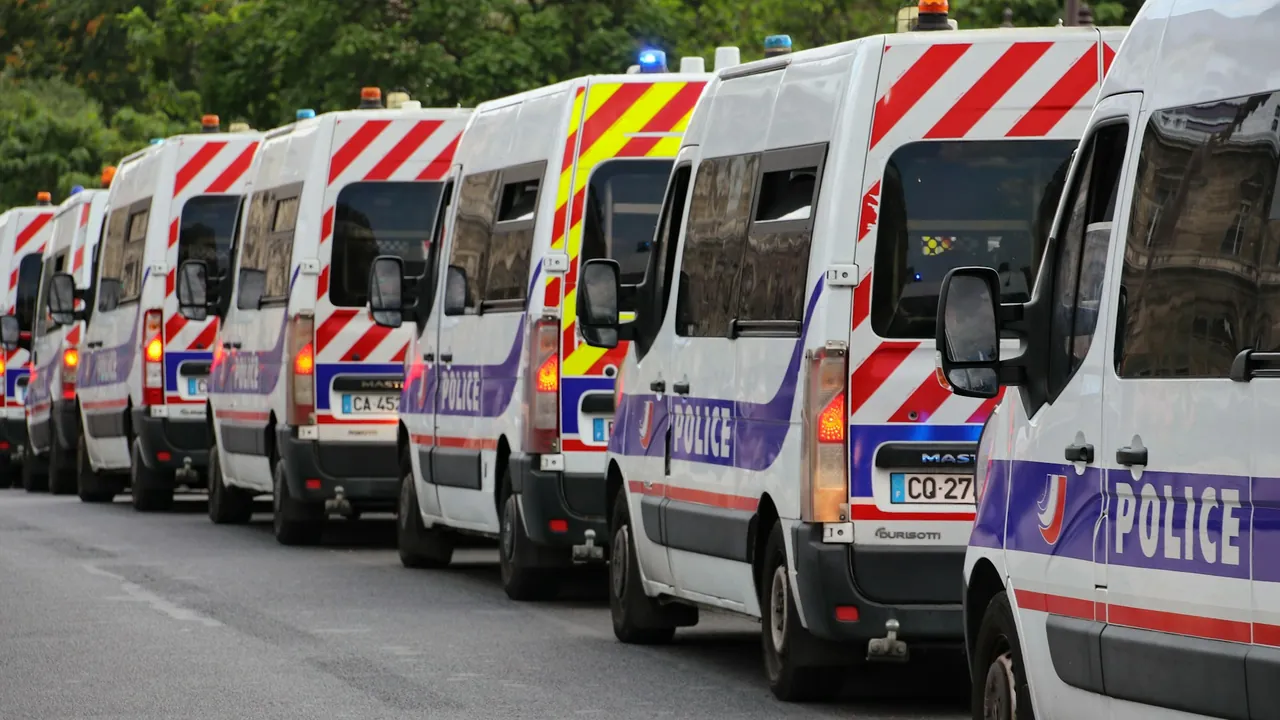
A sweeping wave of unrest that shook France in October 2026, originating from student and teacher protests over study conditions in the Parisian suburbs and deteriorating into violent riots and looting by black-clad individuals, has reignited a volatile debate over political responsibility and national integration. According to an analysis published by international financial press, efforts to examine the demographic background of the perpetrators collide with France's long-standing "color-blind" policy, which legally bars the state from collecting statistical data on race, ethnicity, and religion.
The political landscape has fractured deeply along ideological lines in the wake of the disturbances. Far-right leader Marine Le Pen asserted that the rioters originated from neighborhoods with large immigrant populations, while left-wing politician Jean-Luc Melenchon blamed law enforcement for deploying aggressive and chaotic tactics that allegedly escalated the violence. Conversely, the French government pointed the finger at ultra-left extremist factions. Strict national legislation prohibits authorities from documenting whether arrested citizens are of immigrant descent, penalizing corporations or researchers who attempt to compile such metrics with up to five years in prison and a 300,000-euro fine.
Historical Roots and Political Polarization
The prohibition is deeply rooted in the universalist principles of the French Republic and the historical trauma of World War II, when the Vichy regime forced French Jews to register with the police, facilitating their deportation to Nazi death camps. This principle was formally codified into data protection law in 1978. However, the recent riots underscore profound societal fractures, particularly in impoverished Parisian suburbs housing large Muslim populations. This deep polarization is also reflected in polls ahead of the spring 2027 presidential election, where Le Pen and Melenchon lead potential runoff projections as center-ground candidates lose momentum.
Prominent researcher Gilles Kepel noted that identity politics has increasingly replaced social class as the primary idiom of political struggle. Former Prime Minister Edouard Philippe, a leading centrist contender, stated that a substantial portion of the looters consisted of young French citizens with immigrant backgrounds, prompting a public call to reexamine how national unity is forged for generations whose families arrived decades ago. Melenchon swiftly attacked those remarks on social media, accusing Philippe of dividing the country with racialized rhetoric.
Direct Ethnic Violence and Presidential Warning
Tensions escalated into direct ethnic violence shortly after the civil unrest, when a gunman identified by authorities as "Kevin T." carried out a shooting spree in the Parisian suburb of Trappes. The attack resulted in the death of an African man and injuries to seven others, including a 12-year-old girl wearing a headscarf. The assailant confessed to targeting individuals of Muslim, African, and North African origin, and investigators recovered a copy of Mein Kampf alongside stickers bearing the slogan "100% French" at his residence.
Visiting the scene of the shooting, President Emmanuel Macron condemned the bloodshed as a dangerous turning point and cautioned the public against falling into the trap of sectarian conflict.