France Struggles to Restore Order After Riots as Bond Yields Hit 2002 Highs
France faces severe economic fallout and social unrest following violent riots, with bond yields hitting historic highs and political pressure mounting on President Emmanuel Macron.
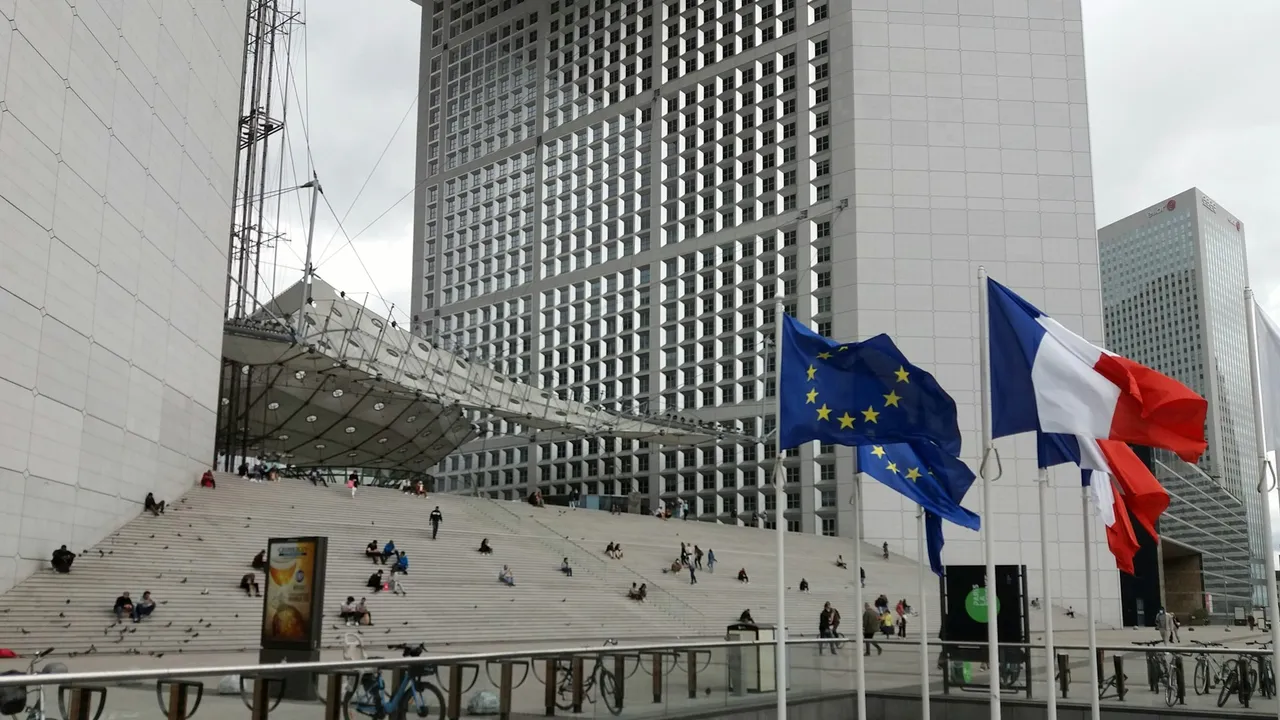
France is struggling to return to normalcy following violent riots that shook the second-largest economy in the European Union over the weekend, while bracing for potential new clashes in the upcoming days. Curfews remain in effect in several cities, including Paris, enforced by police vehicles and helicopters. The financial cost to insurers is expected to exceed 1.2 billion euros, with at least 3,000 businesses sustaining damage.
The government attempted to negotiate with trade unions, but following a meeting at the Elysee Palace, a union representative announced that no agreements were reached, signaling that further protests may take place in the coming weekends. Student and youth unions also withdrew from talks with government officials.
From a macroeconomic perspective, the events contributed to a historic milestone in yields on 10-year French government bonds, which rose slightly above 5% for the first time since 2002. This increase further strains the French budget and is expected to drive up debt servicing costs for the government. All eyes are now turned to budget debates in the National Assembly, as minority government led by President Emmanuel Macron attempts to demonstrate fiscal responsibility, as well as to the European Central Bank headquarters in Frankfurt, which is considering assistance options for France.
Soft verdicts and suspended sentences
Over the past day, courts began handing down verdicts for numerous arrests made during the week, including October 17 itself, which marked a day of rage involving looting and violence against police and the public. Several suspects arrested during looting were put on trial swiftly. In Paris, a 5-year-old's father named Lamine, who works in construction, was sentenced to 10 months in prison (converted to community service), and a father of two named Sofiane received six months (converted to electronic tagging) after breaking into a Louis Vuitton store. Prosecutors had requested 18 months.
An 18-year-old named Mostafa was convicted of throwing a paving stone at a police officer and looting, receiving a 10-month suspended sentence as it was his first offense. Two other 21-year-old men claimed they were merely protesting the cost of living and took alcohol bottles from a looted supermarket for a birthday, though burglary tools were found in their possession. They received six-month suspended sentences. A suspect named Hamza was accused of attacking police and setting a barricade on fire, though he claimed mistaken identity and stated he was wearing a health mask. The prosecution requested 15 months, but he received a seven-month suspended sentence.
According to French media, rapid trials in cities like Marseille and Bordeaux shared similar characteristics: soft verdicts with no actual prison time, even in cases with clear video evidence. For instance, an Ivorian national named Abou-Bakar, captured on security cameras looting mobile phones and caught by police with the devices on him, received a three-month prison sentence despite prosecutors requesting ten months and a five-year ban from France. According to names cited by the media, a large portion of defendants had immigrant backgrounds.
Macron lashes out at world leaders
Politically, the riots and the perceived impotence of the existing system have strengthened the position of right-wing presidential candidate Marine Le Pen, according to recent polls. Surveys conducted over the weekend gave her a boost, showing her winning the first round of the presidential election scheduled for next April with up to 38% of the vote. Le Pen capitalized on the crisis, accusing Macron of plunging the country into chaos regarding immigration, security, and the budget.
Macron, for his part, lashed out at foolish statements by leaders outside France, making a clear reference to remarks by US President Donald Trump, who blamed immigration for the riots. Macron did not alter his itinerary in the Arabian Peninsula and is currently visiting Saudi Arabia, stating he did not want to show fear by canceling the tour.
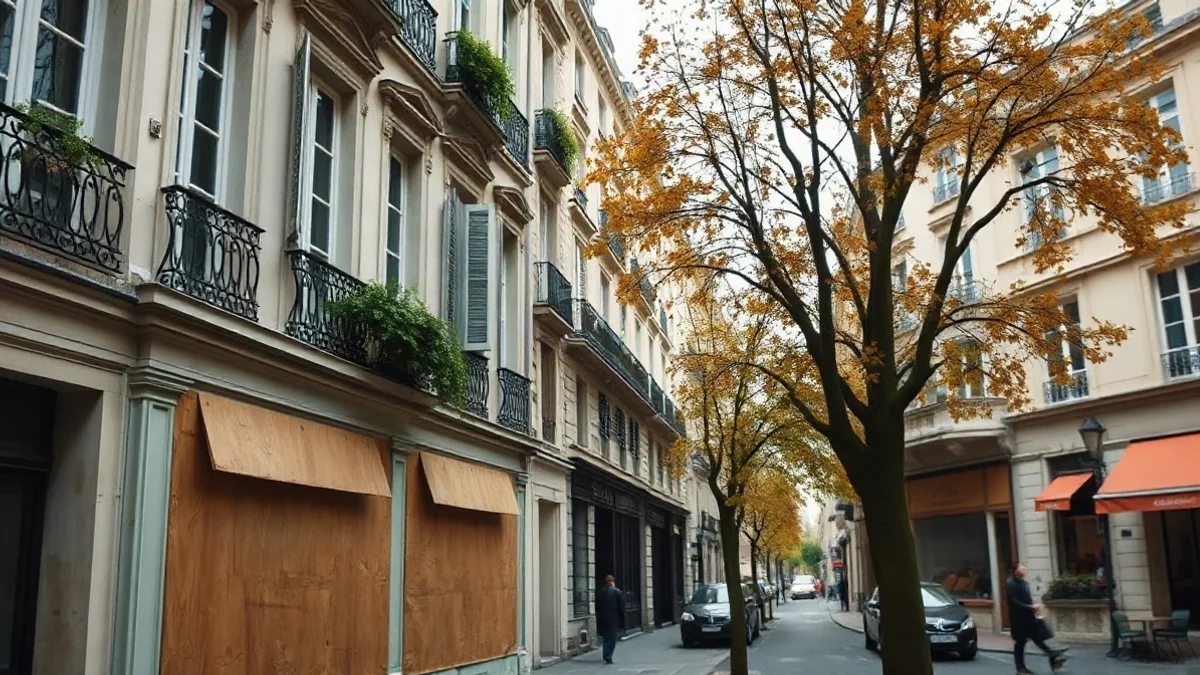
France now awaits the coming weekend to see if massive protests will erupt again. The government has promised to deploy heavy forces to prevent a repeat of October 17. Business owners in Paris have vowed to barricade their shops and clear merchandise ahead of Saturday, October 24, expressing deep mistrust in the authorities.