"(former) trillionaire": companies owned by Elon Musk end a tough week
Elon Musk ended a tough week: Tesla shares fell by 18%, and SpaceX shares dropped by 7.2%. The decline in the value of these companies wiped out approximately $130 billion from the businessman's net worth.
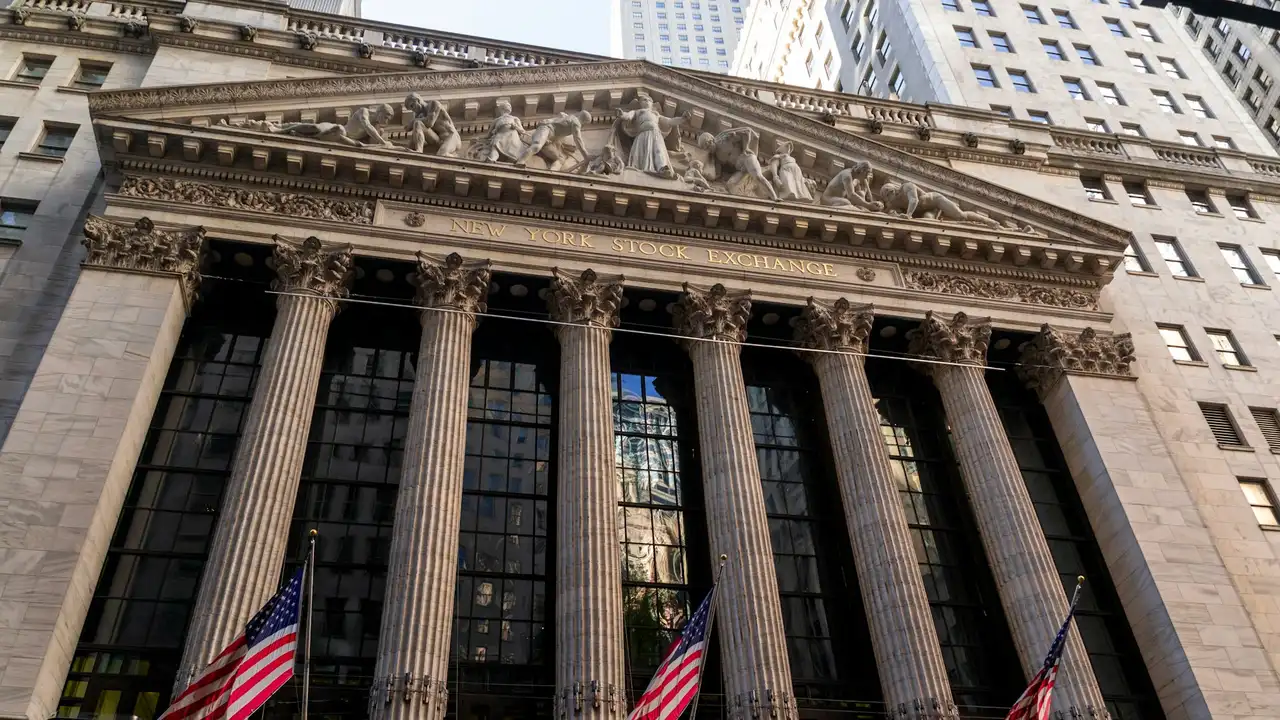
Elon Musk ended a tough week. Tesla shares fell 18% during the last week and closed on Wall Street trading on Friday at a price of $313.03. This is the sharpest weekly drop since 2022. SpaceX shares also continued their downward trend, losing 7.2% over the last five trading days and closing at $115.07 — a low since the IPO it carried out last month. This is according to a CNBC article.
The declines in both stocks of the companies owned by Musk wiped out about $130 billion from his wealth, just weeks after he became the world’s first trillionaire. In a post he published on Friday on the X network, Musk wrote: "(former) trillionaire".
The drop in Tesla’s stock was due to quarterly results that were weaker than expected, published by the electric car maker on Wednesday night. The company moved to negative cash flow against the backdrop of a sharp increase in spending on future projects such as Robox, humanoid robots, and a massive chip factory. Analysts at Argus Research, who maintain a "Hold" recommendation on the stock, estimated in a report published yesterday that they expect pressure on Tesla’s cash flow and a delay in profit growth, with no return close to that for shareholders. According to them, it will be very difficult for the company to show stability in profit growth in the near term. Since the beginning of the year, Tesla shares have fallen 30%, the worst performance among technology giants.
At the same time, SpaceX shares have been in a sustained downtrend over the last month after an initial jump that accompanied the IPO. The stock has fallen in four of the last five weeks and is currently about 43% below the peak set on June 16. However, the end of the week for it was more successful: on Friday, SpaceX carried out the 13th launch attempt of Starship V3, the largest rocket ever built or launched, after the launch attempt planned for Thursday was postponed due to weather conditions. This was the first launch it carried out since its IPO last month.
The Super Heavy booster separated from the spacecraft about two minutes into the flight and performed a controlled water landing in the Gulf of Mexico, though not perfect: the company said the booster tried to relight its engines ahead of landing, but only some of them successfully ignited before a "hard water landing." The upper part of the rocket performed a "soft water landing" in the Indian Ocean and remained intact. The company’s employees called the launch "lucky number 13."
About 18 minutes into the flight, SpaceX successfully launched 20 satellites of the new Starlink V3 model into orbit — the first opportunity to test their real-world performance. The new satellites, produced at the company’s facility in Redmond, Washington, are considered larger and more powerful, and are equipped with solar arrays that generate twice the electricity compared to previous generations. The company is now also developing Starmind model satellites, intended to be used in the future as data centers in orbit. Starship V3 is planned to be a fully reusable rocket and is considered critical to the company’s near-term goals of significantly expanding the Starlink satellite network. SpaceX plans to use Starship to return American astronauts to the Moon, and Musk hopes the rocket will also be used in the future for crewed missions to Mars.
And there is also politics: Musk was involved this week in a public confrontation during an interview with The Economist magazine. Editor-in-chief Zani Minton asked him about his support not only for populist right-wing politics, but also for extreme fringe parties in several countries. Beyond his financial and public support for President Donald Trump, including his work for the current administration, Musk also supported the German right-wing extremist party AfD, known for its tough positions against immigration, as well as the British movement Restore Britain that Rupert Lowe founded, which also calls for stopping mass immigration.
Musk responded sharply to the claims and said they were "completely normal people." He attacked Minton and "the traditional media" for what he defined as a mistaken and exaggerated characterization of the far right.