AI-Generated Court Filings Prompt New Legal Restrictions in Florida
A Florida man used AI to flood courts with 145 divorce motions, prompting new state rules. US attorneys warn chatbots generate false legal precedents.
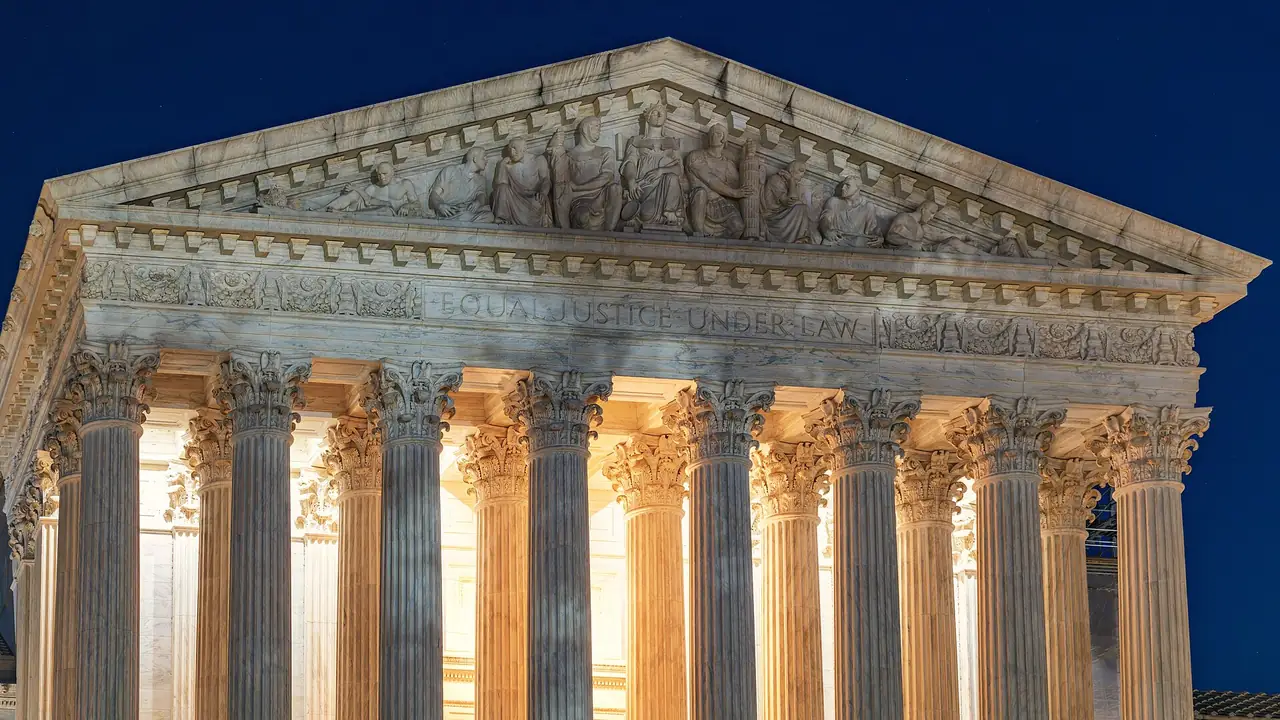
A Florida man navigating his own divorce proceedings utilized artificial intelligence tools to flood the US court system with at least 145 separate motions and hundreds of pages of appellate documents. In response to the overwhelming volume of filings, the court ordered the clerk's office in May to reject any further submissions from the litigant unless signed by a licensed attorney, effectively halting his pro se filings.
Growing Trend in Family Law
This extreme case reflects a broader trend drawing concern from family law attorneys across the USA. An increasing number of individuals undergoing divorces are turning to chatbots for legal advice, document drafting, and litigation strategies, frequently without verifying the accuracy of the generated information. A survey conducted among 133 attorneys at the Cordell & Cordell firm revealed that roughly 80% of respondents encountered client-submitted materials suspected of being generated by artificial intelligence.
Legal professionals warn that these automated systems often present erroneous legal interpretations and fabricate non-existent legal precedents. In a separate custody dispute highlighted in recent reports, a father repeatedly filed motions against the mother of his children, including references to a completely fabricated legal principle. The presiding judge warned that continued conduct of this nature could result in financial sanctions covering the opposing party's legal fees alongside additional penalties. While denying the use of artificial intelligence, the father argued that no strict prohibition currently exists against such technology.
New State Regulations
These mounting concerns prompted concrete regulatory updates within the judiciary. The Supreme Court of Florida established a rule mandating that individuals filing legal documents must personally verify that all cited authorities genuinely exist and are accurately quoted. The updated guidelines authorize courts to impose severe sanctions on litigants submitting filings that fail to meet these compliance standards.