Flight Attendants Reveal the Most Common Luggage and Boarding Mistakes
Travel experts and flight attendants reveal the most common boarding mistakes, from incorrect luggage orientation and overhead bin etiquette to crucial rules regarding portable power banks.
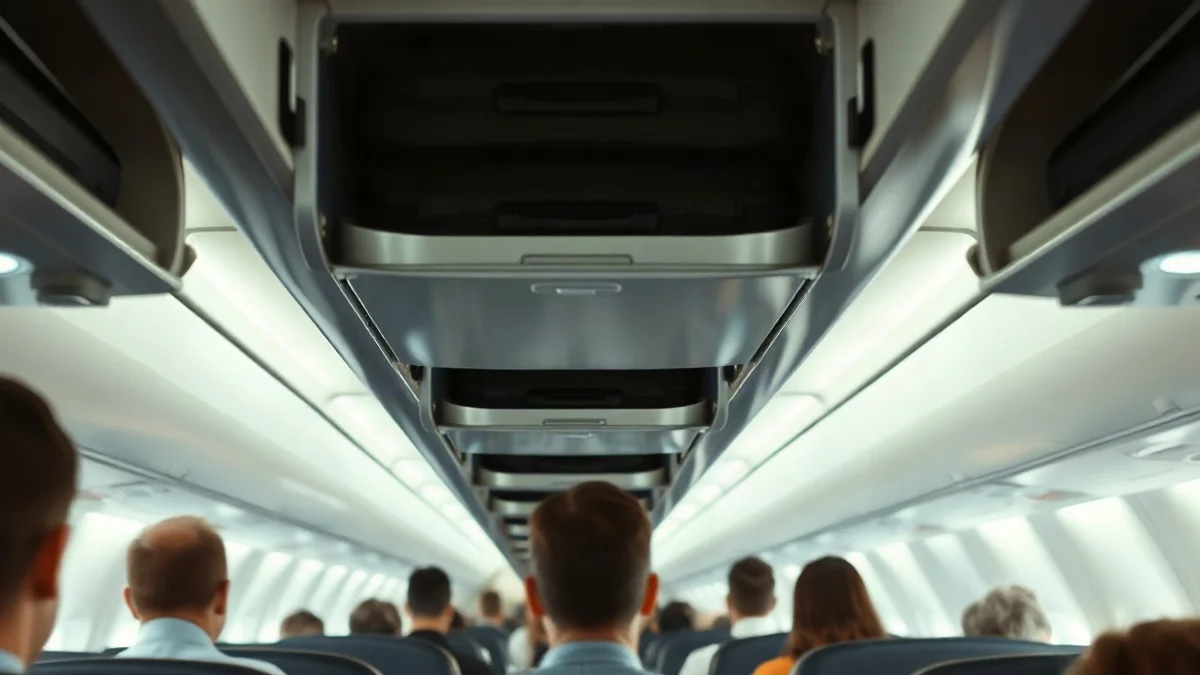
Boarding a flight often brings congestion and stress as passengers navigate crowded aisles and overhead storage bins. Flight attendants report seeing the same luggage and packing mistakes on nearly every flight, which frequently cause boarding delays or force passengers to gate-check their bags at the last minute. Travel experts and aviation professionals have outlined the most common errors travelers make and how to avoid them.
Packing and Loading Luggage Correctly
The golden rule for cabin baggage is straightforward: if you cannot lift the bag into the overhead compartment yourself, you should check it. Former flight attendant Elaine Swann explains that airline crew members are generally restricted from assisting passengers with lifting bags to prevent repetitive strain injuries. Travelers should pack only what they can hoist to shoulder height and place heavier items under the seat in front of them.
The orientation of a rolling suitcase inside the overhead bin also matters significantly. According to flight crews, inserting a bag with the wheels facing outward creates hygiene concerns and slows down the boarding process because those wheels have traversed dirty terminal floors and sidewalks, brushing against the coats of subsequent passengers. Suitcases should always be loaded wheels-first with the retractable handle facing outward, and stood on their side if the bin is wide enough to prevent the bag from being forcibly checked.
Managing Personal Items and Essentials
Coats and small personal items frequently take up valuable bin space before all passengers have boarded, forcing crew members to rearrange compartments. Travelers should keep small items with them until boarding is complete and store their luggage as close to their assigned seat as possible. Etiquette experts also advise passengers never to move someone else's belongings in the overhead bin without asking.
Leaving vital items such as prescription medication, eyewear, water, snacks, or entertainment devices in an overhead bin is another major pitfall. Passengers should keep essentials in a personal bag stored right by their feet so they remain accessible even if the main trolley bag must be gate-checked due to limited overhead space.
Handling Portable Chargers and Power Banks
Portable power banks require special attention due to updated aviation regulations. If a trolley bag is checked at the boarding gate at the last minute, passengers must remove all spare lithium batteries beforehand, as storing spare power banks in the cargo hold is strictly prohibited by aviation authorities to allow cabin crews to respond immediately if a battery overheats.
Regulations regarding the quantity of permitted power banks vary by airline, though International Civil Aviation Organization guidelines generally set a limit of two spare batteries per passenger. Furthermore, international air transport rules prohibit charging portable power banks using seatback USB ports. Flight crews emphasize that power banks should never be buried in overhead bins but kept accessible in a seat pocket or under the seat in front of the passenger so any potential overheating can be spotted and handled immediately.