Public Transport Inspector Confrontations Spark Debate Over Enforcement Limits
Recent violent confrontations between public transport inspectors and passengers over Rav-Kav ticket validation in Tirat Carmel spark legal and public scrutiny over enforcement limits.
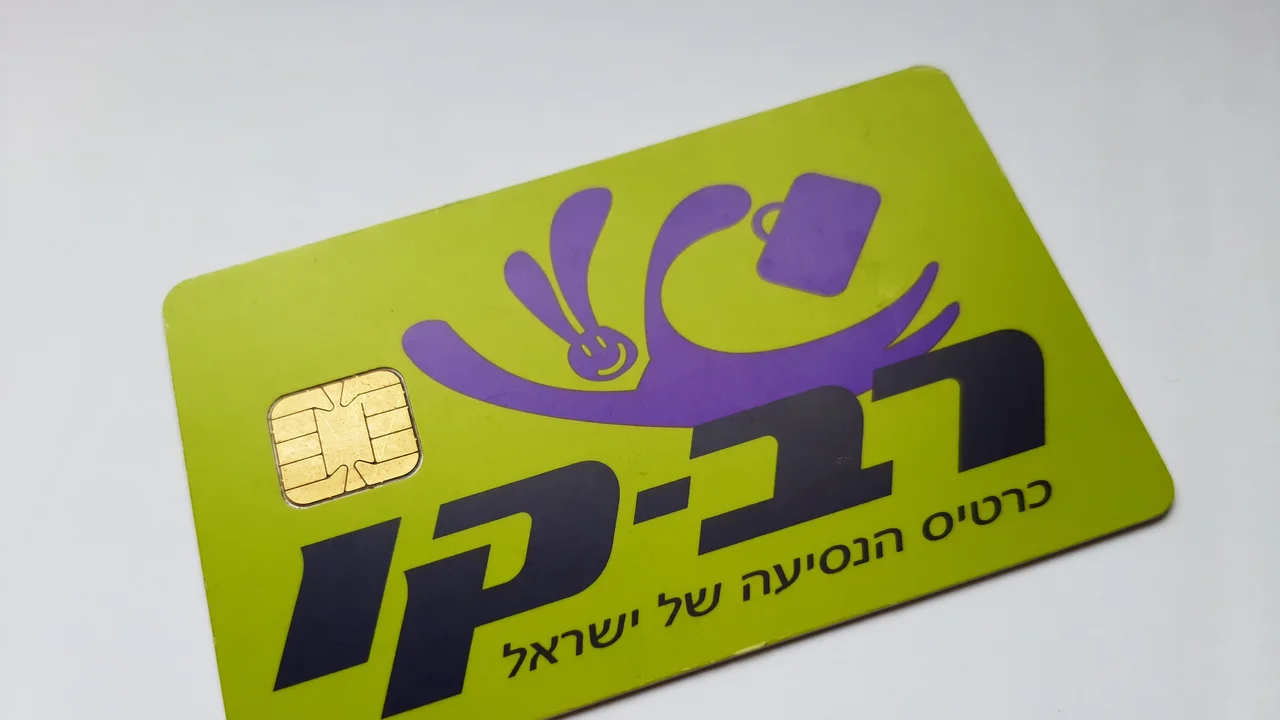
A recent incident in Tirat Carmel, where three public transport inspectors forcefully removed a passenger from a bus over a dispute regarding a Rav-Kav transit card validation, has reignited a public debate. Footage showing one of the inspectors gripping the passenger by the neck has circulated widely, prompting renewed scrutiny over the boundaries of enforcement and the use of physical force by inspection personnel.
Legal Powers and Limitations of Bus Inspectors
While public transport inspectors are authorized to examine travel tickets and enforce regulatory compliance, their legal powers are strictly defined. Under Section 61b of the Traffic Ordinance, a passenger is required to present a ticket upon request. If a passenger fails or refuses to provide a valid ticket, they are legally obligated to state their name and address and present an identity card or other official identification document.
However, inspectors are not permitted to demand identification from passengers arbitrarily. The request must be directly tied to a ticket inspection. Furthermore, inspectors are required to wear identifiable uniforms and display clear name tags. Although passengers caught without a valid ticket may face an increased fare, verbal disputes or non-compliance do not grant inspectors the legal right to apply physical force.
Restrictions on Physical Force and Authority
Bus inspectors do not possess police powers, and their statutory authority remains limited. They cannot legally use physical force to compel compliance, meaning that a passenger's refusal to cooperate does not justify grabbing their neck, dragging them, or striking them. Legal experts note a distinction between regular bus inspectors and light rail controllers, who have been granted broader statutory powers regarding temporary detainment and removal under specific circumstances. Even where removal powers exist, any use of force remains strictly regulated by law.
Bus inspectors operate on behalf of public transport operators, while the Ministry of Transportation oversees their operations and handles public grievances. Passengers who believe they have been subjected to unlawful physical force can file a police complaint alongside a formal report to the Ministry of Transportation. Transport companies are similarly required to investigate incidents involving their staff, utilizing on-board security camera footage to review confrontations that escalate far beyond the cost of a standard fare.