Finance Ministry Seeks New Head to Accelerate Major Infrastructure Projects
Oshrat David Deker, head of the Infrastructure and Projects Division at Israel's Ministry of Finance, is stepping down, triggering a race among four senior internal candidates to lead multi-billion-shekel national projects.
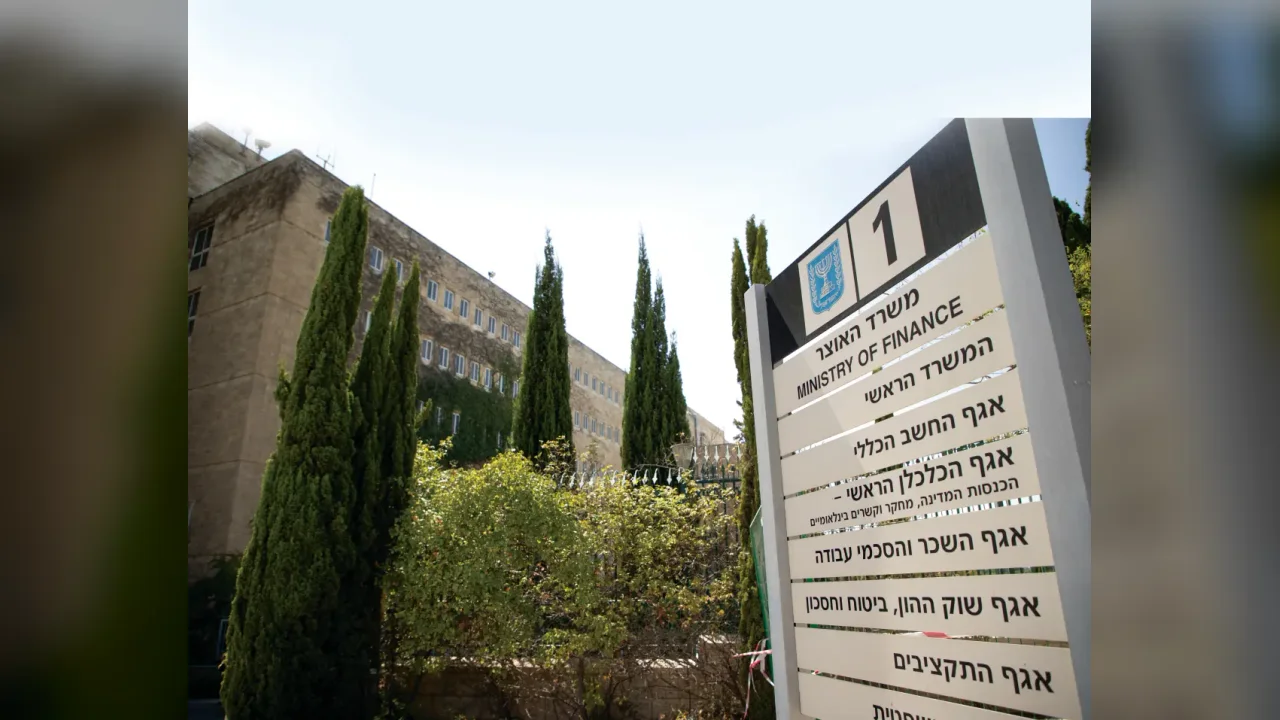
The race for one of the most influential positions in the Ministry of Finance has officially begun. Oshrat David Deker, Deputy Accountant General and Head of the Infrastructure and Projects Division, is set to step down by the end of the year after four years in office. The position is considered a vital node within the Accountant General's Department, bridging government policy, state budgets, and the execution of complex, high-value infrastructure initiatives.
Key Projects and Challenges Ahead
The division oversees public-private partnership (PPP) projects, leveraging private capital, expertise, and operational capabilities to deliver public infrastructure. The incoming director will heavily influence long-term trajectories in transport, energy, water, and environmental sectors, as well as private investment volumes. Management must navigate upcoming financing and execution challenges for massive projects, including the metro system, railways, and energy facilities.
Potential Candidates for the Role
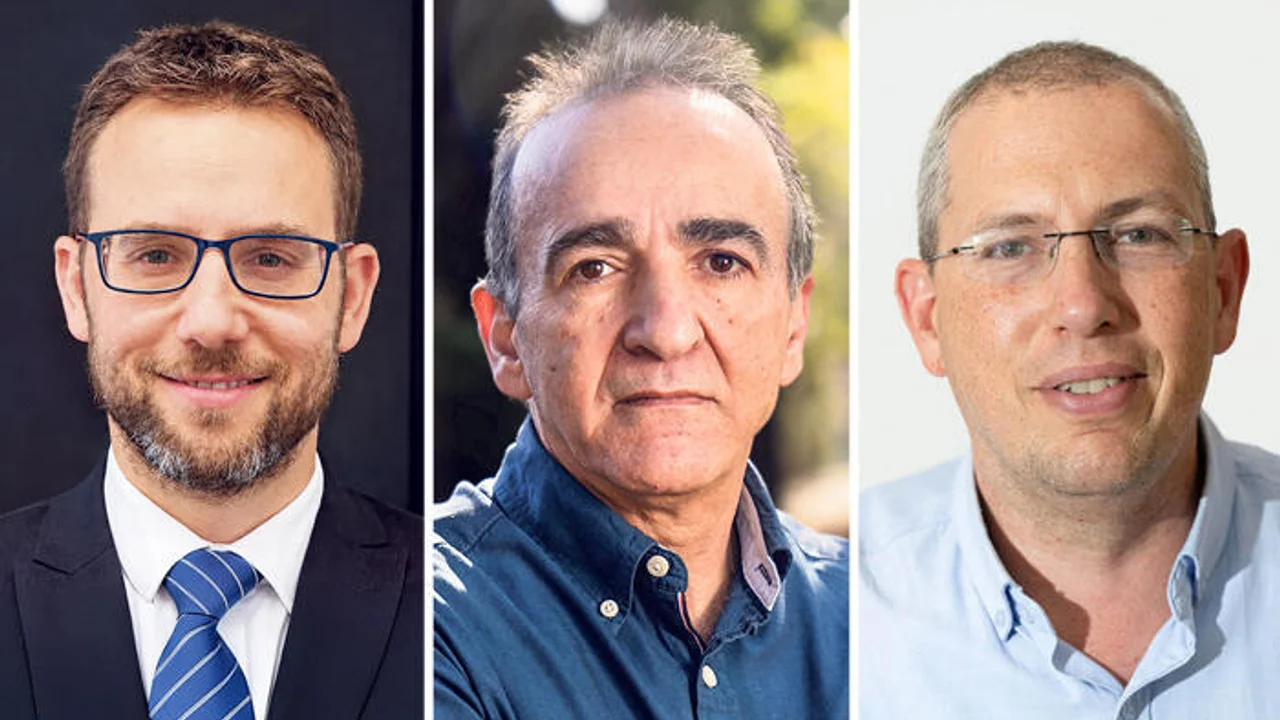
Four senior candidates from within the Accountant General's Department have been shortlisted. Gal Lando, currently deputy to David Deker and head of the PPP unit, possesses the most direct experience with division operations. Having joined the department in 2016, Lando previously managed the education and welfare team and oversaw state guarantees during the COVID-19 pandemic. Other prominent contenders include Yonatan Resnik, Senior Deputy Accountant General for Social Ministries; Dan Gonen, head of the Assets and Logistics Division; and Uri Shasha, head of the General Ministries Division.
A Legacy of Major Infrastructure
During her tenure, David Deker spearheaded dozens of billions of shekels worth of critical infrastructure projects. These included the stalled congestion pricing initiative in the Gush Dan region, the Blue Line of the Jerusalem light rail, the northern extension of Highway 6, fast lanes on highways 20 and 5, and alternative airport planning. The division was equally active in energy and water, advancing desalination plants, the Sorek power station, solar plants in Dimona and Ashalim, and the Neot Hovav waste-to-energy facility.