"Increased burden on those serving": The government will approve the mobilization of hundreds of thousands of reservists
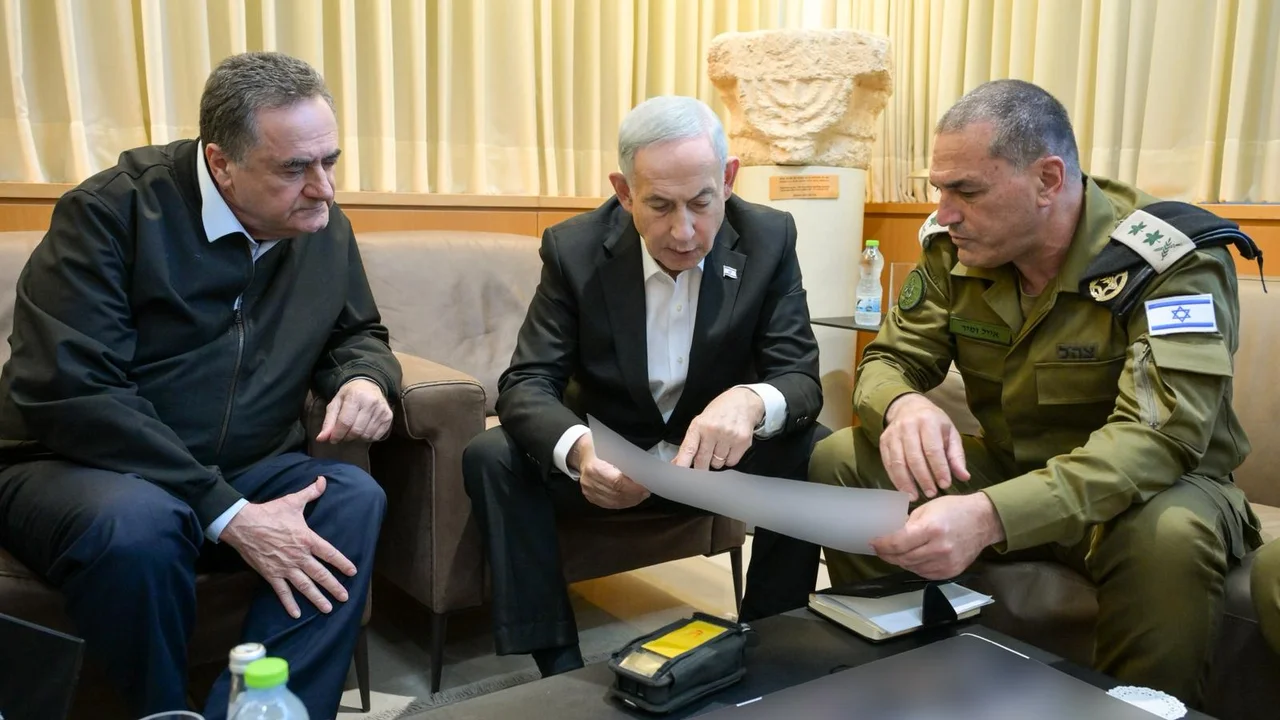
Against the backdrop of continued fighting, the government is seeking to extend 'Tzav 8' until the end of September. The defense establishment clarifies that the move is essential for IDF needs but admits: the burden on reservists and their families is heavy and prolonged.

The government is seeking to extend the emergency order for reserve mobilization once again, which will allow the IDF to call up to 240,000 reservists under 'Tzav 8' until September 30, 2026, instead of July 31, as approved in the previous government decision.
According to the explanatory notes for the draft decision, the extension of the order is required due to the continuation of fighting on various fronts, the security situation, and the ongoing operational need. The Ministry of Defense notes that the IDF continues to operate on various fronts, including against Hezbollah, and is required to maintain a large scope of reserve forces for defense missions, routine security, maneuvering, and preparation for additional scenarios.
It is further stated that the extension of the order is intended to prevent damage to the continuity of operational activity and to allow flexibility in the deployment of reserve forces. The document emphasizes that the number of 240,000 is a maximum mobilization ceiling and not the number of reservists who will actually be mobilized.
In the document, the Ministry of Defense recalls that since the outbreak of the war in October 2023, emergency orders for reserve mobilization have been extended repeatedly; at the beginning of the war, a mobilization of up to 360,000 and subsequently even 400,000 reservists was approved, before the number was gradually reduced to 280,000 and now to 240,000.
The legal advisor to the defense establishment addressed the report:
"The meaning of this draft decision is the continued imposition of an increased burden on reservists due to operational needs. This creates a particular difficulty in light of the concentration of the burden on the shoulders of a relatively small group of service members from the country's population, who are called up again and again for prolonged periods, while their accumulation is difficult and severe in its impact on the service members themselves and the circles surrounding them (family, employers, etc.)."
This issue was also raised in the discussions of the Knesset Foreign Affairs and Defense Committee, as it has a dramatic impact on the force build-up in the IDF. However, according to the position of the professional echelons in the IDF, the security situation prevailing on the various fronts, and in particular the outbreak of Operation 'Lion's Roar' and the fighting in the north of the country, require the continued mobilization of reservists under 'Tzav 8'.
At the same time, it is noted that the IDF and the Ministry of Defense are promoting steps to ease the burden on reservists, including expanding exemptions from service, shortening the duration of mandatory service for men in some cases, and expanding the package of economic and employment benefits for service members. However, the Ministry of Defense emphasizes that in light of the current security reality, it is necessary to continue to rely on the reserve system on a large scale.