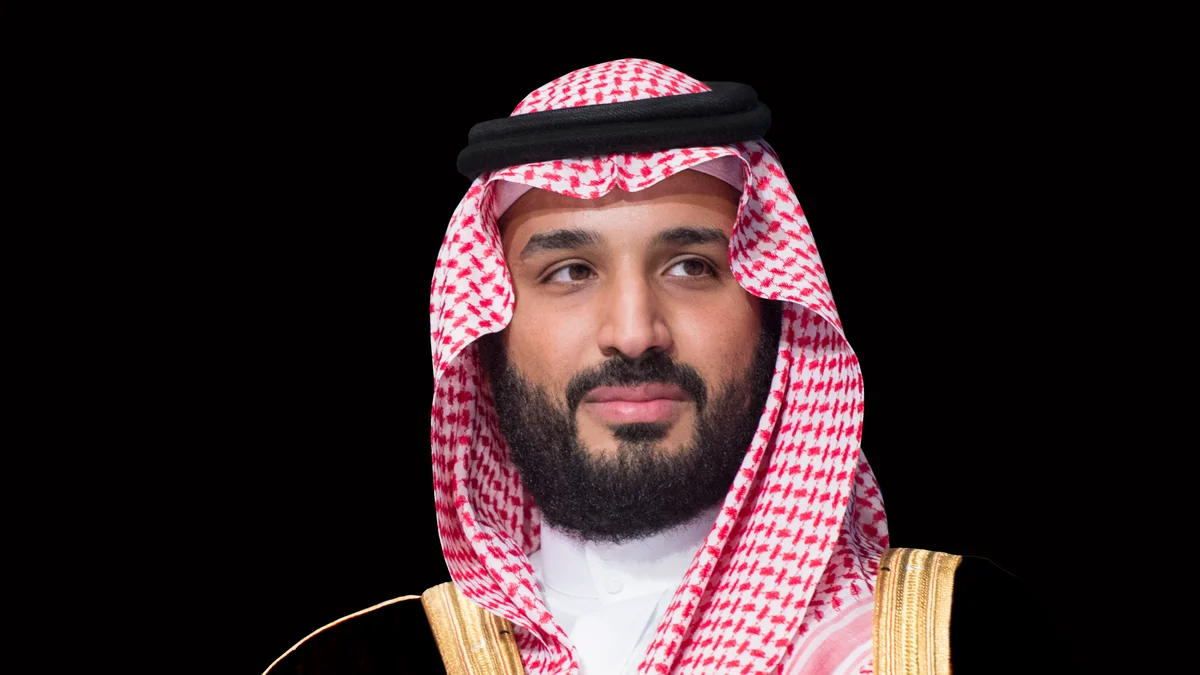
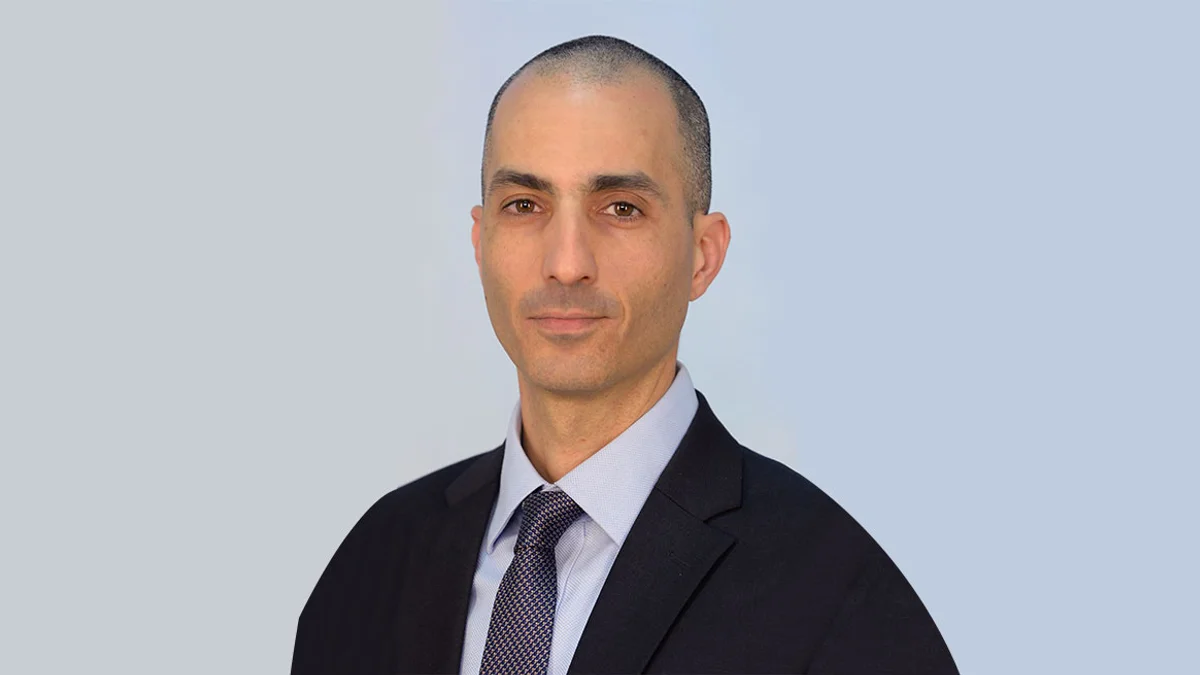
Eyal Golan or Omer Adam: Who is winning the battle of the millions?
The dramatic wealth comparison between Omer Adam and Eyal Golan reveals a huge gap, as for one of them music accounts for less than 2.5% of assets, while the other holds a thriving real estate empire.
The battle for the true title of the Israeli music industry has long since exceeded the boundaries of radio stations and stages. The question of who has more money, Omer Adam or Eyal Golan, is not just a comparison between two giants of Mediterranean music, but a meeting between two completely different economic worldviews. While one has established his status over decades as a classic entertainment and real estate empire, the other has paved his way to the national wealth summit thanks to sharp moves in the worlds of high-tech, infrastructure, and investments.
When approaching the dry numbers, the picture clears up quickly and presents a particularly dramatic gap. Omer Adam's personal wealth places him today not only as the richest singer in Israel, but as a top-tier businessman in the local market. Most of the public still perceives Adam through giant performances and hits, but in practice, his musical career accounts for less than 2.5% of his total assets. The real engine behind this wealth is a business, high-tech, and real estate empire built with sophistication in recent years.
The highlight of Adam's wealth lies in the fields of technology and infrastructure. The most significant move was recorded following a giant deal of a cloud company owned by him and his partners with an American technology corporation. The agreement to establish a huge server farm in Afula boosted the company's value to billions of shekels and simultaneously boosted his personal value.
Alongside this, Adam holds large-scale investments in fintech and cyber companies, alongside income-generating real estate, luxury apartments, and boutique hotels in Tel Aviv. Music for him is indeed the showcase and passion, and from it he also rakes in millions of shekels a year from private performances and concert series, but in relation to his infrastructure empire, it is pocket money.
On the other side stands Eyal Golan, who has held for nearly three decades the status of a well-oiled income-generating machine and has an estimated capital of over 100 million shekels. Unlike Adam, Golan's economic core relies first and foremost on his unprecedented musical career. It is a sales record-holder, with views and plays in the media yielding current royalties in huge volumes, alongside a wonderful ability to sell tens of thousands of tickets at stadium shows at Bloomfield Stadium and Menora Mivtachim.
The huge profits he raked in from the stages over the years, Golan managed to translate mainly into a real estate empire and a strong production arm. Through the company "Liam Productions" he cut coupons not only from his own career but also from managing other artists. At the same time, he invested in agricultural land, development companies, and bought and sold penthouses and luxurious villas in high-demand areas. Golan also experienced financial shocks and complex asset divisions, like the one recorded following the business separation from his former manager Beni Peretz, but he continues to maintain high financial stability and initiate ambitious projects.
Bottom line, a comparison between the two shows that while Eyal Golan is perhaps the most successful model in Israel for an artist who turned his music into a thriving real estate empire, Omer Adam operates in a completely different financial scale. The combination between his breakthrough into the worlds of data and cloud and his sharp investment strategy makes Adam the clear winner in the personal wealth test, with a significant gap that places him at the economic summit of the Israeli entertainment industry.