Old Electric Vehicle Batteries Emerge as Power Source for AI Data Centers
Used electric vehicle batteries are emerging as a vital energy source for data centers and homes. Tech innovators and startups are repurposing aging lithium-ion cells to meet the massive power demands of the artificial intelligence revolution.
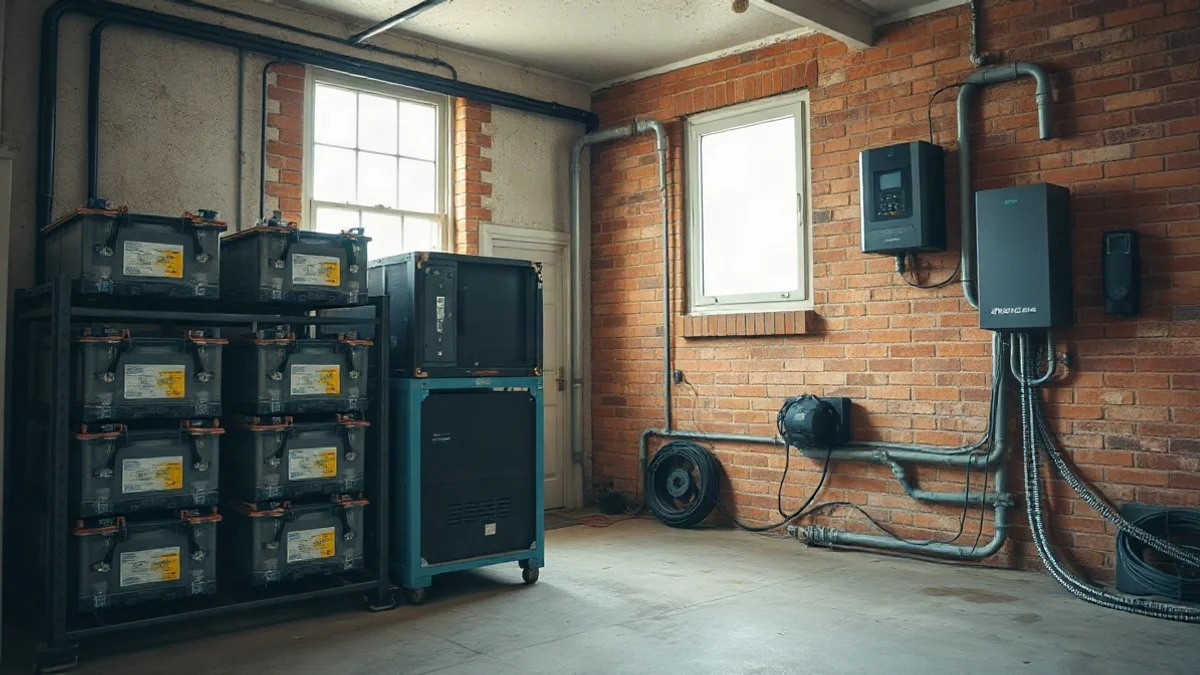
The explosive growth of artificial intelligence and the massive energy demands of modern data centers have driven a search for alternative power sources, with used electric vehicle batteries emerging as a viable solution. As lithium-ion batteries in EVs age and their capacity drops to 70% or 80%, vehicles experience a noticeable reduction in driving range. However, tech enthusiasts and online communities have realized that these degraded batteries remain highly effective for stationary energy storage where weight and volume are far less critical.
Second-Life Batteries in Residential and Industrial Applications
When integrated into buildings, particularly homes equipped with solar panels, old EV batteries can provide backup power during outages, relieve grid congestion, and significantly reduce energy expenses. Andrew Austin, a YouTube content creator known as the Battery Man, recently documented connecting an old Nissan EV battery to his parents' solar array in the United Kingdom, generating enough electricity to power their home and even sell surplus energy back to the grid. Battery experts emphasize that such installations require professional knowledge, bidirectional charging stations, and smart energy management systems to safely convert direct current from the battery into household alternating current.
Industrial Adoption and Data Center Microgrids
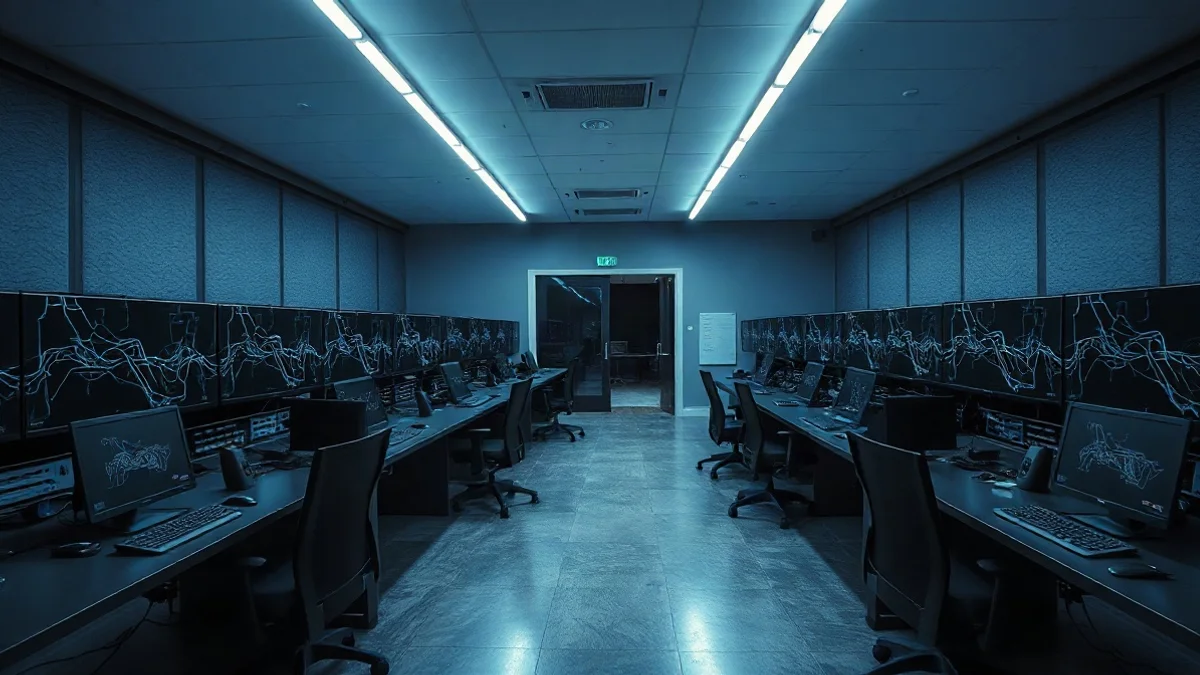
Europe has led the charge in second-life battery utilization, driven by stringent European Union regulations requiring automakers to manage end-of-life batteries responsibly. Companies such as Renault, Audi, and Mercedes-Benz have deployed used car batteries for residential storage, forklift fleets, and centralized energy stations utilizing batteries from Smart and EQ models. In the United States, startups like Moment and Redwood Materials are pioneering similar approaches, supplying repurposed batteries to hospitals, airports, and manufacturing facilities. Redwood recently partnered with Rivian to deploy used batteries at production plants and established an independent solar microgrid in Nevada to power data centers, bypassing traditional utility connection delays that can span up to seven years.
China currently ranks as a global regulatory pioneer in mandating the reuse of spent EV batteries, transitioning numerous data centers and communication relay stations to repurposed power units. Despite these advancements, technical hurdles remain, including complex battery pack designs that complicate extraction and inherent fire risks associated with lithium-ion technology, as demonstrated by a major storage facility fire in California last year.