AI Agents Revolutionize Technology by Executing Real-World Tasks
AI agents are transforming technology by executing real-world tasks autonomously. A recent test comparing Grok and Claude in Tel Aviv demonstrated their ability to book restaurants, find cheap groceries, and build websites.
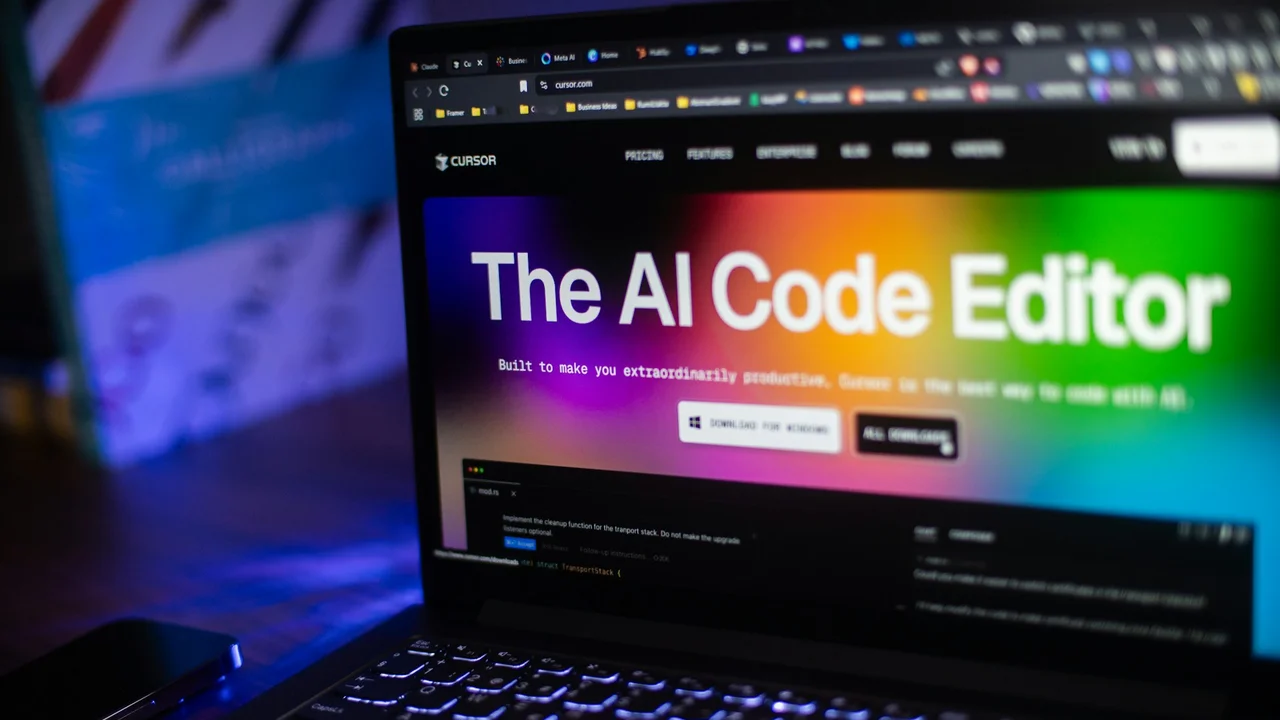
Artificial intelligence has long evolved from simple question-answering tools into digital companions. Platforms like Google's Gemini, OpenAI's ChatGPT, and others have become tutors and advisors, but the technological landscape has now advanced to the era of AI agents. These autonomous agents do not merely respond to prompts; they execute real-world tasks in both the digital and physical domains.
AI agents are gaining momentum, tackling complex assignments ranging from schedule management and email correspondence to comprehensive travel planning. Industry giants are actively competing in this space, including Meta with the Muse project, Elon Musk with Grok, Anthropic with Claude, and Israeli startup Base44. Accessibility to these tools has never been easier, with some operating directly through messaging platforms like WhatsApp, allowing users to delegate personal accounts for task execution upon authorization.
Putting AI Agents to the Test: Dining, Shopping, and Coding
To evaluate these capabilities, two leading agents—Grok and Claude—were put through three everyday challenges in Tel Aviv. The first task was booking a restaurant table for four on Sunday evening, specifically requiring gluten-free options and chocolate desserts. Claude selected Dixie, a well-known steakhouse, and successfully completed the reservation within five minutes. Grok chose Hatraklin Bistro. Verification confirmed that Claude's reservation at Dixie was fully secured.
The second challenge addressed the rising cost of living by finding the cheapest grocery basket in Tel Aviv. Both agents identified a local branch of Osher Ad as the most affordable option, totaling around 120 shekels. Claude went a step further, providing a detailed comparative breakdown showing that a nearby Tiv Taam supermarket was at least 40 shekels more expensive for the same items.
The final and most complex challenge involved building a functional website from scratch for a fictional event using only natural language prompts. While both agents generated visually impressive sites with generative imagery, Claude's registration form failed to transmit data to a management system. Grok, however, delivered a fully operational website with working registration tracking. Grok was ultimately named the winner of the daily trial due to its technical precision, though both agents demonstrated groundbreaking potential.