Europe's New Digital Border System Flaws Trap Travelers with False Overstaying Alarms
Technical glitches in Europe's new digital border control system are falsely flagging British and Israeli tourists for overstaying, leading to deportations, heavy fines, and ruined travel plans across the Schengen Area.
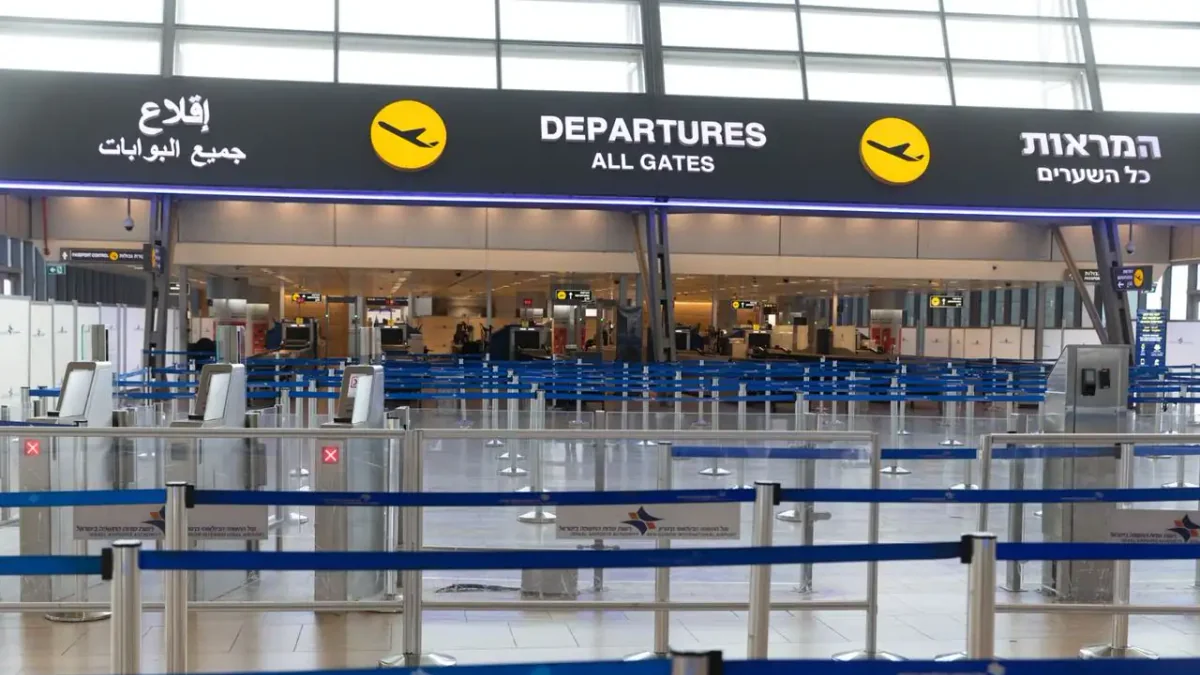
European travel for British and Israeli citizens visiting the Schengen Area has turned into a bureaucratic nightmare following widespread technical glitches in the bloc's newly deployed digital border control infrastructure. Tourists across Europe report being mistakenly flagged for overstaying their allowed duration, facing sudden deportations, heavy fines, and cancelled holiday plans due to incomplete entry and exit records.
The Human Toll of Digital Glitches
Paula Pugh, a 61-year-old traveler from the United Kingdom, landed in southern Italy alongside her husband and cousin to celebrate a milestone 60th birthday. While her companions cleared passport control without issue, border guards detained Pugh, claiming she had exceeded the permitted 90-day stay within the Schengen zone, even though she had only spent 22 days in the region. Police escorted her to another airport, placed her on a return flight to Britain, and left her feeling like a criminal. Beyond the ruined holiday, the family incurred roughly 2,000 British pounds in extra expenses, alongside a 297-pound charge from Ryanair for her forced return flight.
Prominent figures have similarly fallen victim to the system errors. British author Jojo Moyes, best known for penning the bestselling novel "Me Before You", was stopped at Marseille Provence Airport in October after a five-day trip to France. Border officials informed her that her departure from Portugal months earlier had failed to register in the database, causing the computer to continuously accumulate days. A senior border official warned Moyes that attempting re-entry before correcting the record could trigger a 10,000-euro fine and a two-year travel ban, forcing her to retain an immigration lawyer. Other travelers, including families planning Christmas ski trips to Italy and retirees taking brief weekend getaways, have found their portal balances showing zero remaining days due to missing outbound stamps.
System Flaws and Official Response
The root of the crisis lies in the Entry/Exit System (EES), which operates across 29 European countries to replace traditional passport stamping with biometric facial recognition and fingerprint scans for non-EU nationals. While tourists holding Israeli or British passports remain entitled to stay up to 90 days within any 180-day window without a visa, unrecorded departures leave the system calculating active residency indefinitely. The Royal Netherlands Marechaussee acknowledged these operational limitations on its official portal, noting that technical hurdles frequently generate duplicate logs and missing data points, with correction requests taking up to 45 days to process.
The European Commission maintains that the infrastructure functions properly across participating nations and that member states bear the ultimate responsibility for rectifying erroneous logs. Nevertheless, mounting pressure from the travel industry has intensified. A coalition of more than 80 private and public tourism organizations recently petitioned the European Union to suspend biometric data collection at border crossings temporarily until technical stability is achieved. Meanwhile, Reuters reported that the European Union filed legal proceedings against three contractors involved in developing the system, though European technology agencies clarified that the litigation pertains strictly to the development phase.
Understanding Schengen Rules and Preventive Steps
The Schengen Area comprises 29 nations—including France, Germany, Italy, Spain, Greece, Switzerland, and the Netherlands—that maintain a shared 90-day allowance pool rather than individual country quotas. Temporary departures from the zone do not reset the 180-day clock, and countries such as the United Kingdom, Ireland, and Cyprus operate outside the arrangement. To mitigate risks ahead of upcoming travel, European authorities advise travelers to check their remaining days through the official EES web portal prior to departure. If discrepancies arise, passengers should contact the border authorities of the specific country through which they last entered or exited, and retain physical boarding passes and travel documents as definitive proof of movement.