Examining the Diplomatic Friction and Economic Realities of Europe-Israel Ties
Experts analyze the complex diplomatic tension between European nations and Israel, noting a wide gap between sharp political rhetoric and stable bilateral trade and security ties.
A significant diplomatic and economic gap defines current relations between European nations and Israel following the October 7 massacre and the subsequent military response, according to regional experts.
Binyamin Twati, Chief Executive Officer of ELNET Israel, noted that despite harsh rhetoric, street-level protests, and threats of boycotts and sanctions, the actual impact on state-to-state relations remains limited. While public tension is palpable and political differences run deep, underlying ties and institutional cooperation continue to function behind the scenes.
Bilateral trade has remained stable, suffering no tangible disruptions even within nations whose governments maintain sharp criticism of Israeli policies, such as Spain and Ireland. Furthermore, robust security partnerships persist, particularly with nations in Eastern Europe that maintain close strategic alignments with Israel.
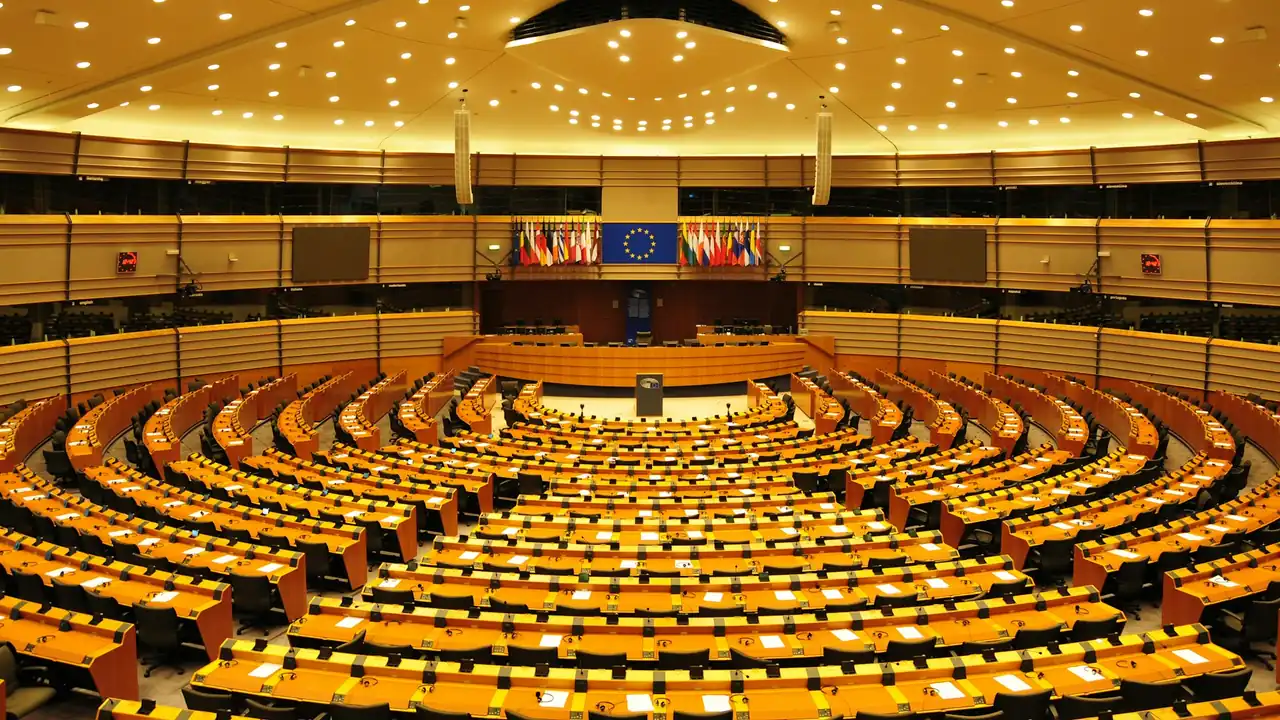
Analysts emphasize that the European stance is far from monolithic, characterized by stark divisions among individual capitals. Although anti-Israel demonstrations and critical political declarations frequently capture headlines, European political establishments and institutions continue quietly to sustain multifaceted engagements with Israel.