Ethiopian Israeli Employment Hits 80%, but Wage and Education Gaps Persist
A new Ministry of Labor study shows Ethiopian Israeli employment rates have reached 80%, matching the non-Haredi Jewish population. However, significant wage, education, and job quality gaps persist, particularly among men.
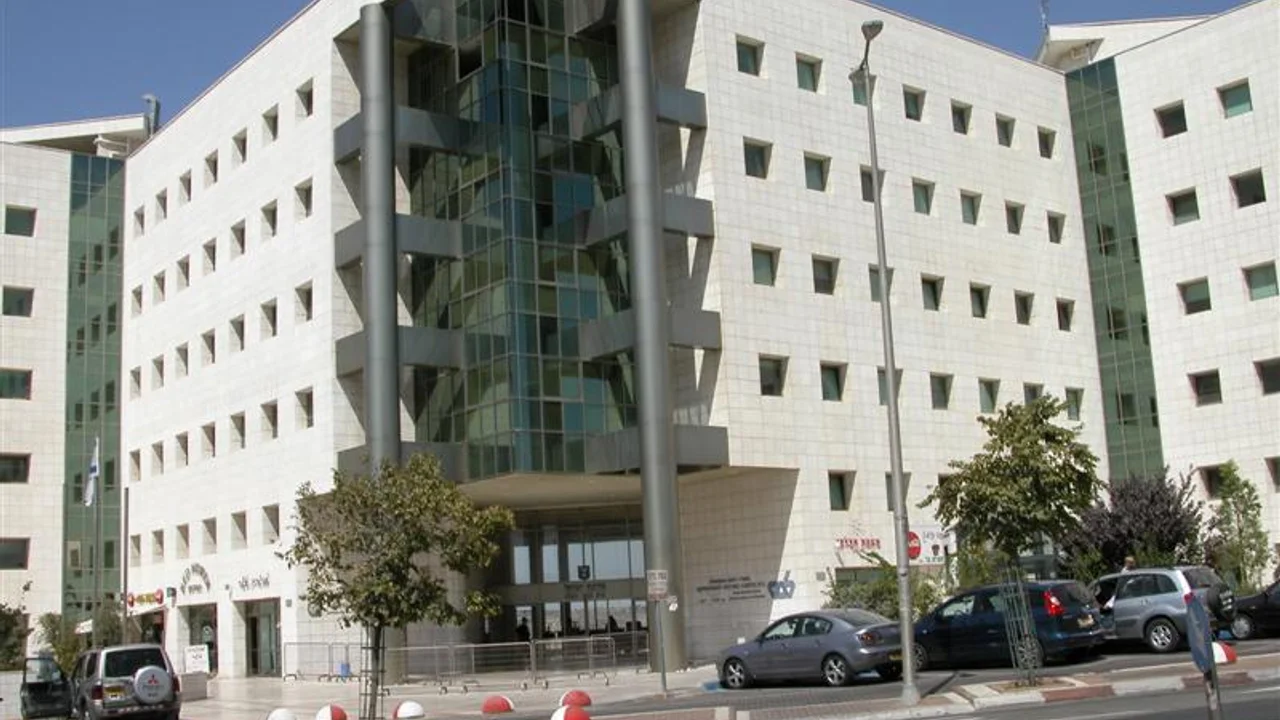
A new study by the Ministry of Labor highlights significant progress in the integration of Ethiopian Israelis into the labor market, with employment rates reaching approximately 80% for both men and women, matching the non-Haredi Jewish population. However, the data reveals persistent gaps in wages, education, and job quality, with second-generation women making notable strides while gaps for men remain largely unchanged.
More than three decades after the major waves of immigration from Ethiopia, labor market integration shows marked improvement. The Ministry of Labor study, examining data between 2014 and 2025, points to a steady rise in employment rates, reaching about 80% for both sexes. According to CBS labor force survey data for 2025, the employment rate for Ethiopian-born women stood at 79%, and for men at 80%, compared to 80.6% and 82.7% respectively in the general non-Haredi Jewish population.
Generational Gaps in Education and Wages
Despite high employment participation, the path to quality employment remains long. Ethiopian Israelis continue to suffer from disparities in education, representation in high-skill occupations, and access to high-paying sectors. In 2021, the average monthly wage for an Ethiopian-Israeli salaried employee was 5,800 shekels lower than that of other Jewish employees, representing a gap of roughly 44%.
Disparities are particularly pronounced between generations. Among those born in Ethiopia, educational, linguistic, and cultural barriers remain. Conversely, the second generation, born and educated in Israel, demonstrates significant improvement, though unequally distributed between genders. Among second-generation women, higher education rates reached 22%, narrowing the gap with the general young female population to a factor of just 1.5. For men, however, higher education rates among the second generation dropped to 10%, highlighting a persistent lag compared to their peers.
Government Initiatives and Ministry Response
To combat these disparities, the Ministry of Labor launched two joint ventures in late May with an annual budget of 14 million shekels. The first initiative, in partnership with the Tech-Career organization, aims to expand the inclusion of Ethiopian Israelis in the high-tech sector through technological training, advanced courses, and networking. The second initiative, with the Olim BeYachad association, focuses on personal and group mentoring, soft skills development, and employer engagement to increase managerial representation.
Ministry of Labor Director General Rubi Shemesh emphasized the dual nature of the findings:
«The data indicates a significant achievement in integrating Ethiopian Israelis into the Israeli labor market. Alongside employment integration, we strive to ensure quality, rewarding employment with career advancement horizons. The significant improvement among the second generation testifies to the potential for progress, yet the remaining gaps in education and high-skill professions require continued targeted action.»