Experts Warn of Devastating EMP Attack Threatening Israel's Infrastructure
Security experts warn that an Iranian EMP attack could paralyze Israel's critical infrastructure, causing total blackouts and severe societal collapse, though officials debate the immediate priority of the threat.
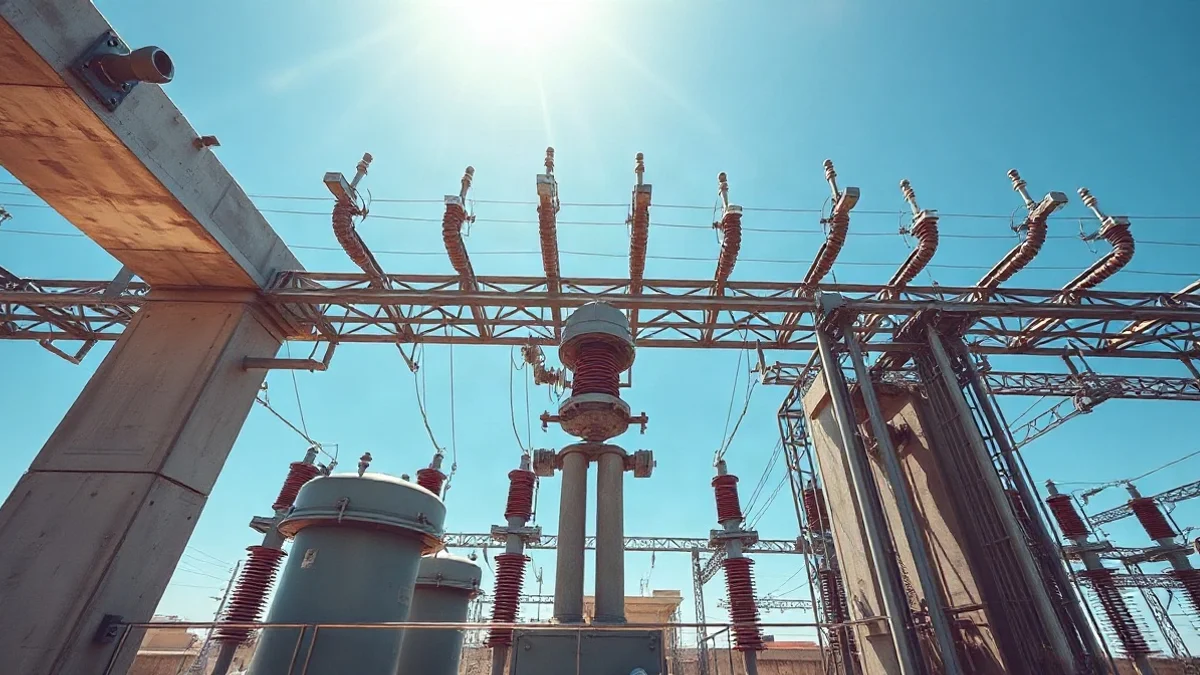
Experts are warning that an electromagnetic pulse (EMP) attack could paralyze Israel's critical infrastructure in a fraction of a second, causing widespread blackouts, water shortages, and societal collapse. The warnings were issued during a conference at the Jerusalem Lev Academic Center, amid assessments that Iran has restored and upgraded its missile array.
Dr. Yehoshua Sokol, a nuclear risk expert and initiator of the conference, explained that the most severe scenario involves a high-altitude nuclear detonation via a ballistic missile. Such a pulse can fry and disable electrical and electronic systems, ranging from communication networks and banks to traffic lights and water systems.
Oren Hartal, former chief scientist at Rafael Advanced Defense Systems, described the catastrophic aftermath. "Hospitals will struggle to function, surgeries will be impossible, and human lives will be in danger," he said. "Civilian life will be set back decades: heating with wood, food and water shortages, as well as crime, public disorder, and looting." He warned that Iran might use such an attack as a form of extortion.
Experts stress that protective measures are achievable but require immediate action. Dr. Ehud Ganani of the EIS Council criticized current complacency, noting that the threat is insufficiently addressed despite feasible solutions. Professor Adir Pridor suggested mandating EMP protection in new residential apartments, estimating the cost at roughly 10,000 shekels per unit.
However, some officials urge a balanced perspective. Brig. Gen. (ret.) Zeev Tsuk-Ram, former head of the National Emergency Management Authority, argued that an EMP attack should not be classified as an existential threat, questioning whether it warrants shifting priorities away from core defense needs like F-35 fighter jets and countering Iran's nuclear program.