Western Governments Urge Citizens to Stockpile Supplies Amid Global Tensions
Western governments are renewing emergency protocols and urging citizens to stockpile supplies amid rising geopolitical tensions with Russia, China, and Iran, and threats to critical infrastructure.
Three and a half decades after the end of the Cold War and the fading fear of nuclear conflict, apocalypse scenarios are returning to the desks of global policymakers. Lessons from the COVID-19 pandemic, coupled with escalating geopolitical tensions involving Russia, China, and Iran, have prompted Western governments to refresh emergency protocols and urge citizens to stockpile supplies and food.
In the United States, a comprehensive military emergency plan has been formulated by the Pentagon to ensure operational continuity during a national systems collapse. Under the program, every military base will be equipped with a mobile nuclear reactor to provide an independent power source, alongside large stockpiles of medical equipment, ammunition, and critical minerals. The established target mandates that each base must be capable of surviving and operating in total isolation from the outside world for 90 days.
Across Europe, government focus has shifted toward civilian home fronts amid growing concerns that national infrastructure could be rapidly compromised. Late October marked the launch of the "Be Ready" national campaign in the United Kingdom, urging citizens to prepare home emergency kits to sustain them for 72 hours of total disconnection from water, electricity, transportation, and communication networks.
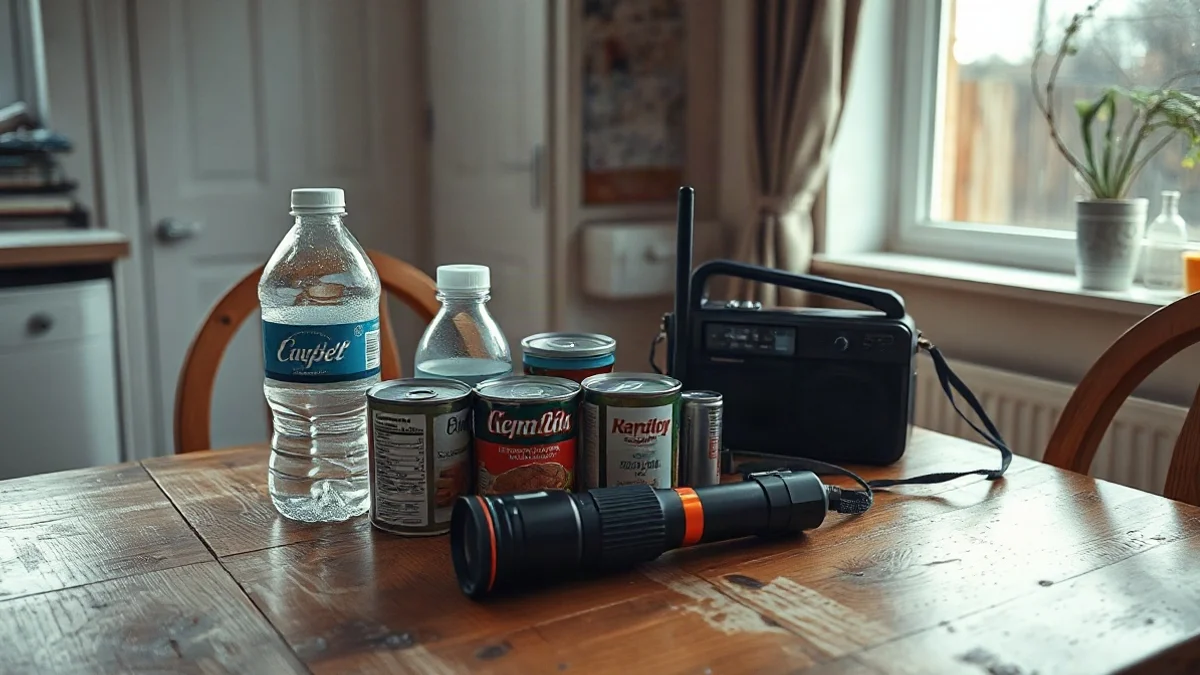
Authorities in France and Luxembourg have distributed hundreds of thousands of instructional brochures featuring clear shopping lists, while television broadcasts emphasize the possibility of a complete disruption of essential services. Recommended household supplies include three liters of water per person daily, non-perishable canned food, battery-powered flashlights and portable chargers, FM radios, and cash reserves for use during ATM outages.
Behind this heightened anxiety are persistent concerns regarding Moscow following the invasion of Ukraine, alongside escalating cyber threats capable of paralyzing critical infrastructure within seconds. Security experts emphasize that modern crises rarely arrive individually, leading to a fundamental shift in defense strategy: citizens are increasingly viewed as the first line of defense during national emergencies.