Electricity Authority Solar Reform Threatens Peripheral Investments
Israel's Electricity Authority proposed a solar market reform prioritizing grid connections by lowest tariff, risking investments for farmers and peripheral businesses.
A proposed reform by Israel's Electricity Authority aims to overhaul the solar energy market by prioritizing grid connection requests based on free-market pricing rather than fixed premiums. Starting in 2028, priority will be given to facilities selling electricity without premiums, followed by those offering lower tariffs, potentially impacting farmers in the north and factory owners in the south.
Impact on Regional Investments
Under the proposed rules, developers will compete not just for clients, but for the right to connect to a constrained grid. In areas with grid limitations, particularly in peripheral regions, the pressure to lower tariffs will be significantly higher than in central areas. This means identical solar installations could yield different revenues simply based on their geographic location.
Challenges for Small Businesses
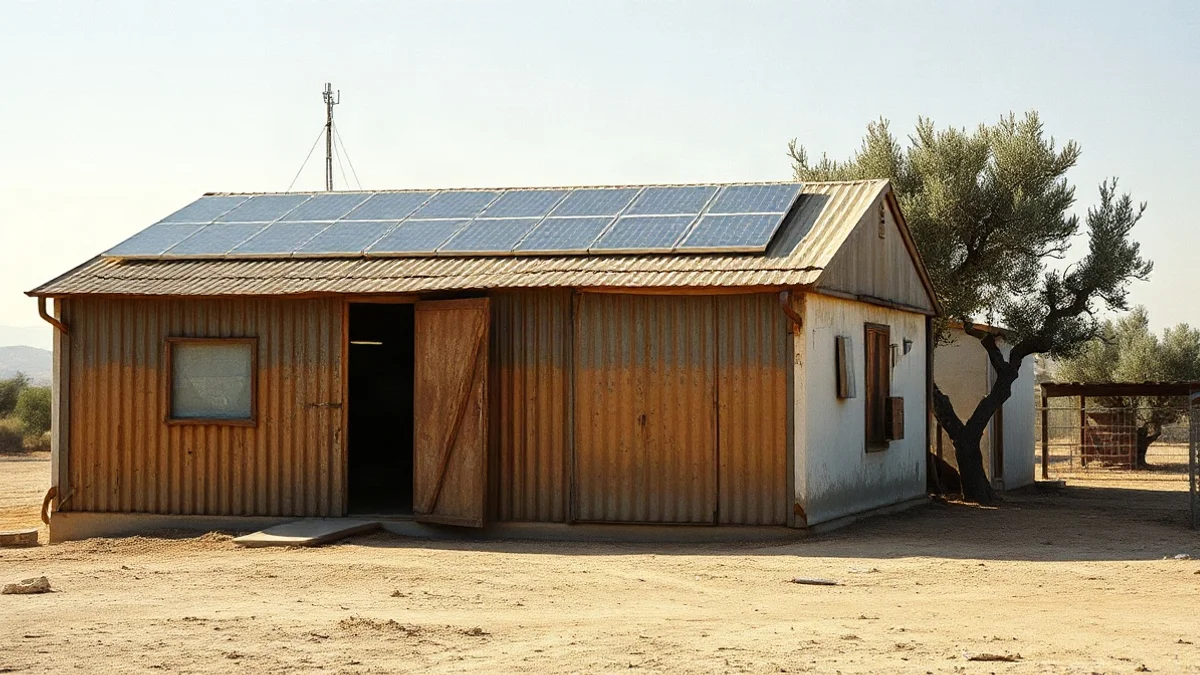
Small and medium rooftop owners, such as farmers operating dairy barns or poultry coops, rely on solar income to diversify their revenue. However, declining tariffs and the lack of incentives for electricity storage batteries could make these investments economically unviable, halting rooftop solar expansion and shifting costs onto the periphery.