Israel Becoming Rabies-Stricken Country Amid Widespread Outbreaks
Public Health Physicians Association Chairman Prof. Hagai Levine warns that Israel has become a rabies-stricken country amid a widespread outbreak. He criticizes leadership for failing to declare a state of emergency and urges strict preventive measures.
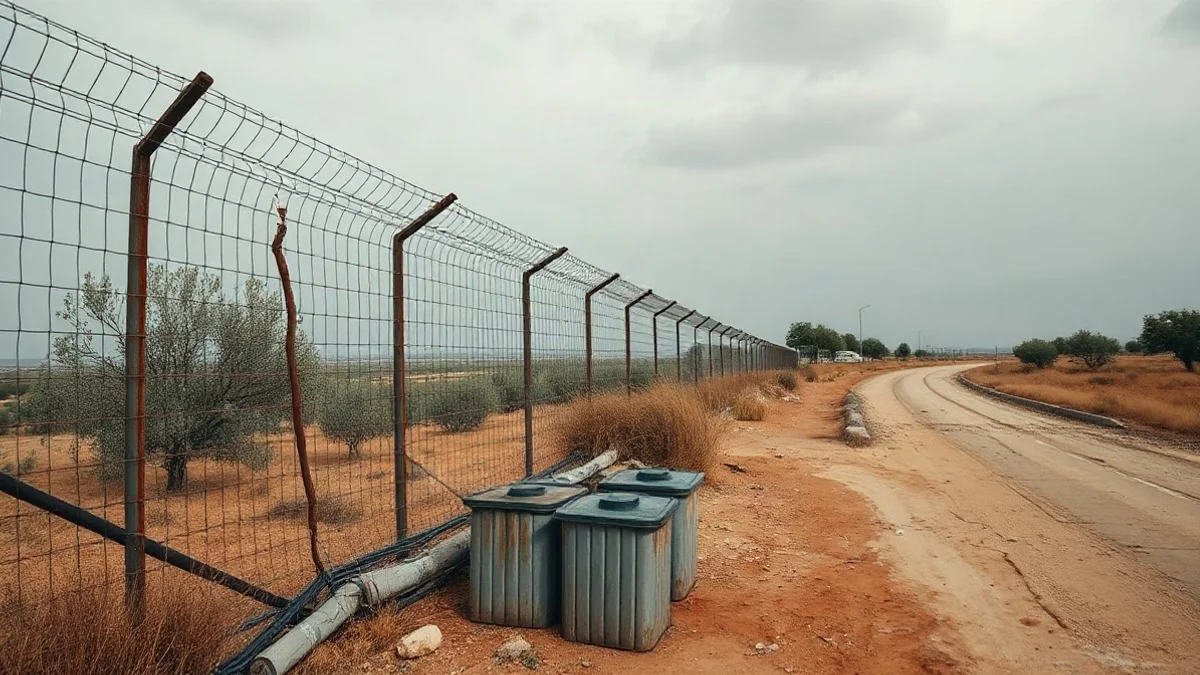
Public Health Physicians Association Chairman Prof. Hagai Levine has warned that Israel has transformed into a rabies-stricken country amid widespread outbreaks affecting wildlife and domestic animals. Speaking to local media, Levine pointed to a general lack of governance and border security failures that have exacerbated the public health crisis over the past two years.
Border Breaches and Systemic Neglect
According to Levine, wartime conditions frequently lead to compromised borders and a breakdown in wildlife management both across neighboring borders and domestically. He noted that dozens of dogs have contracted rabies over the past year alone, highlighting a broad multi-species outbreak.
"We know that during times of war borders are often breached, both between neighboring countries and within the same country, and wildlife is not managed properly," Levine stated. "There is general lawlessness. Unfortunately, in Israel we have become, over the past two years, a rabies-stricken country."
While acknowledging that military circumstances may have temporarily halted aerial vaccine drops, Levine criticized the leadership for failing to officially recognize the emergency.
Staffing Deficits and Preventive Measures
Levine emphasized that the crisis stems from severe understaffing within official veterinary authorities, noting that some regional Veterinary Services operate at a fraction of necessary capacity. He argued that filling vacant positions is essential to ensure adequate veterinary coverage during an active epidemic.
To contain the spread and protect public safety, Levine outlined several critical preventive steps:
- Securing urban waste management by tightly sealing municipal garbage containers to prevent wildlife from entering populated areas.
- Mandating rabies vaccinations and microchipping for all newly adopted pets.
- Urging citizens who encounter stray animals to maintain a safe distance, document the location, and report it immediately to local authorities.
Concluding his remarks, Levine stressed that addressing the outbreak requires comprehensive systemic action rather than relying solely on culling wildlife, calling for heightened public awareness and full staffing of veterinary inspector roles.