Eisenkot Rejects Urgent Iran Threat as Yashar! and Likud Continue Talks
Yashar! leader Gadi Eisenkot stated he sees no immediate Iranian threat requiring action before forming a government, as coalition talks with Likud face disputes over military service and judicial policies.
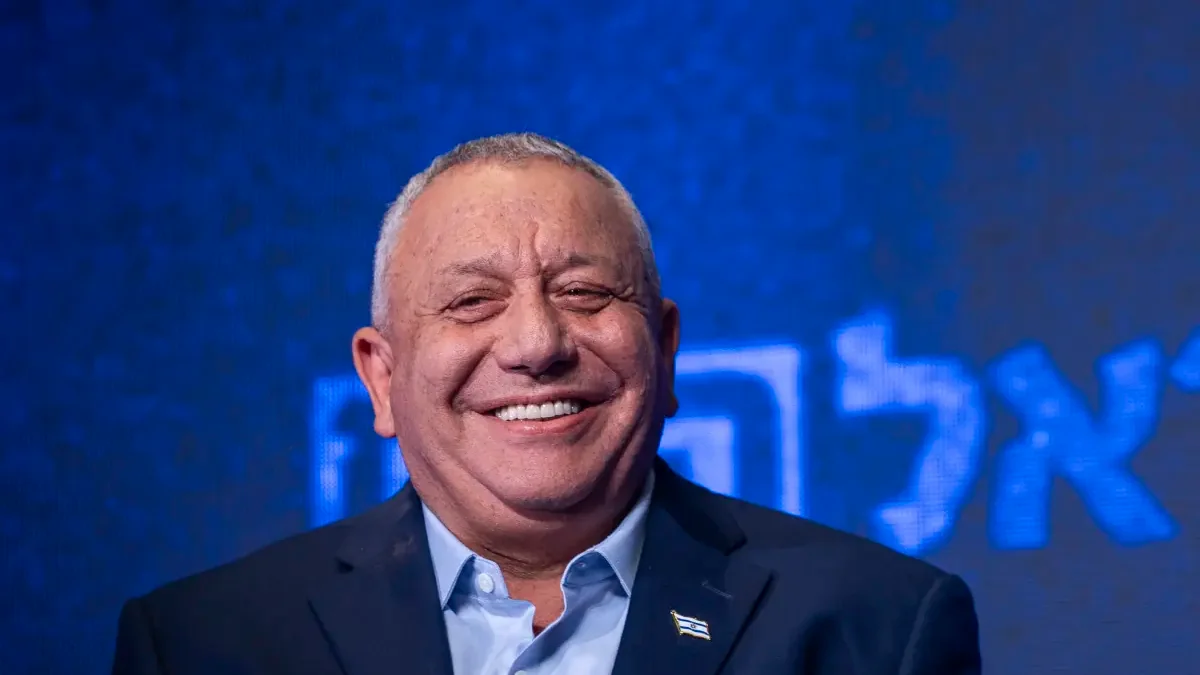
Hours before coalition talks resumed between representatives of Yashar! and Likud at the Knesset, Yashar! leader Gadi Eisenkot declared during a faction meeting that he sees no direct or immediate security threat from Iran requiring action prior to the formation of a new government. Eisenkot pointed to the remaining stockpile of 440 kilograms of enriched uranium as the primary danger requiring focus. Prime Minister Benjamin Netanyahu countered during the Likud faction meeting, emphasizing that national survival against surrounding threats depends strictly on unity, and dismissing those who downplay such dangers as acting for political motives.
Coalition Negotiations and Core Red Lines
Eisenkot stressed that his party entered the negotiations in good faith to pursue genuine unity rather than political maneuvering. He asserted that Yashar! would not compromise on establishing a state commission of inquiry, enacting universal national service legislation, altering the security paradigm, and protecting democracy. Following a four-hour meeting between the negotiating teams, both sides discussed substantive legal and draft issues without addressing core leadership rotation disputes. Likud representatives paused discussions regarding military recruitment to demand the presence of ultra-Orthodox delegates, a condition Eisenkot rejected, insisting on negotiating the draft law exclusively with Likud.
Condemnation of Incitement and Settler Unrest
Addressing domestic security and public discourse, Eisenkot sharply criticized the toxic rhetoric directed at bereaved families and demanded that Prime Minister Netanyahu and cabinet ministers condemn such behavior. He also reiterated his condemnation of recent settler disturbances in the West Bank, labeling the anarchy a severe blow to both local settlement efforts and Israel's international standing, and called for rigorous law enforcement rather than mere verbal condemnations.
Parliamentary and Opposition Dynamics
Meanwhile, MK Gilad Kariv of The Democrats was appointed to chair the special committee on the composition of the Judicial Selection Committee. Kariv vowed to initiate an intensive legislative marathon to repeal judicial overhaul laws. Simultaneously, The Democrats leader Yair Golan criticized the pace of coalition talks, warning against any potential unity government with Netanyahu and advocating for a minority government as the only viable alternative. Parallel reports indicated that ultra-Orthodox parties have introduced new demands into the discussions, prioritizing salary parity for teachers in ultra-Orthodox educational institutions over direct seminary funding.