Education Ministry Drafts Strategic Plan for Ultra-Orthodox Youth Integration
Education Ministry officials are drafting a strategic long-term roadmap to foster civic responsibility and military service readiness among ultra-Orthodox youth from elementary school onward.
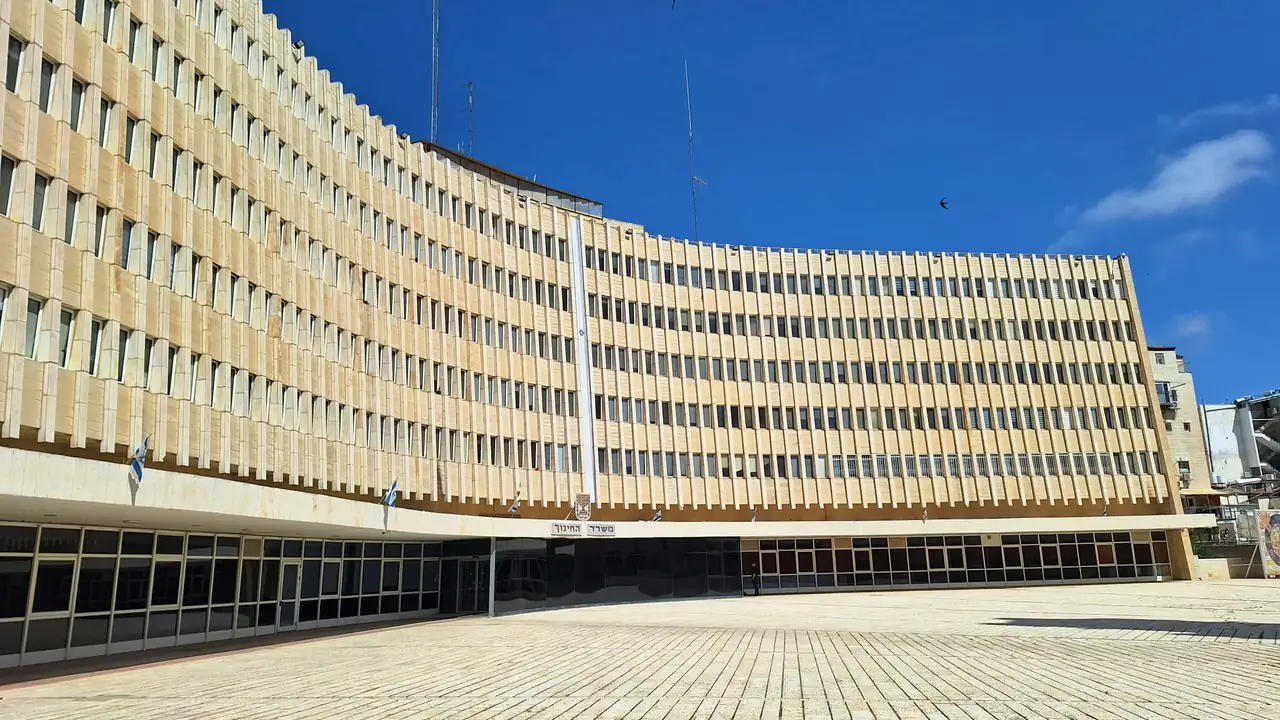
Education Ministry officials are formulating a comprehensive strategic roadmap aimed at fostering a sense of civic responsibility and national connection among ultra-Orthodox youth, spanning from elementary school through military or national service. The initiative is slated for presentation to the incoming education minister upon the formation of the next government.
Working documents outline a phased, long-term approach designed to gradually shift how young ultra-Orthodox citizens relate to the State of Israel and public service. Rather than relying solely on legislative mandates or political decisions at drafting age, the proposal argues that cultivating belonging and shared responsibility must begin during early childhood and foundational school years.
Core Educational Pillars and Fieldwork
The initiative introduces structured curricula starting in elementary school, emphasizing geography, national heritage, and Israel's historical narrative. For middle and high school students in the ultra-Orthodox educational stream, the plan proposes expanding heritage journeys, visits to state institutions, tours of Holocaust memorial sites, and a ceremonial trip to Jerusalem culminating in the issuance of identity cards.
A notable component involves agricultural fieldwork in partnership with the Hashomer HaHadash organization, allowing ultra-Orthodox students to assist farmers and engage in hands-on land stewardship. Additional measures include mandating field studies and geography programs in recognized non-official and state-religious ultra-Orthodox schools, alongside subsidized educational excursions across the country and future trips to Poland.
Preparation for Military and National Service
The most sensitive and significant aspect of the strategy focuses on military and national service readiness. Under the proposal, high school juniors and seniors, as well as yeshiva graduates, would participate in programs designed to familiarize them with ultra-Orthodox service tracks in the Israel Defense Forces and national service.
The framework includes mental and social preparation, guided mentorship by veteran ultra-Orthodox service members, and the establishment of pre-service ultra-Orthodox academies. Planners emphasize that these measures rely strictly on voluntary participation rather than forced conscription, remaining carefully tailored to ultra-Orthodox lifestyles and rabbinical leadership requirements.
Implementation and Funding Frameworks
To support these extracurricular goals, the drafts propose a five-year plan to build a nationwide informal education network within the ultra-Orthodox sector. This includes budget allocations, instructor training, youth movement strengthening, and expanded municipal collaboration.
Currently, the initiative remains a strategic planning framework intended to guide policy decisions rather than an officially approved or budgeted government program. Proponents stress that meaningful integration requires a patient educational process developed in coordination with educational and rabbinical leaders.