Universal Children's Day: Essential Guide to Early Childhood Dental Health
Marking Universal Children's Day, pediatric dental experts highlight the importance of early oral hygiene, recommending a first checkup by age one and proper brushing habits.
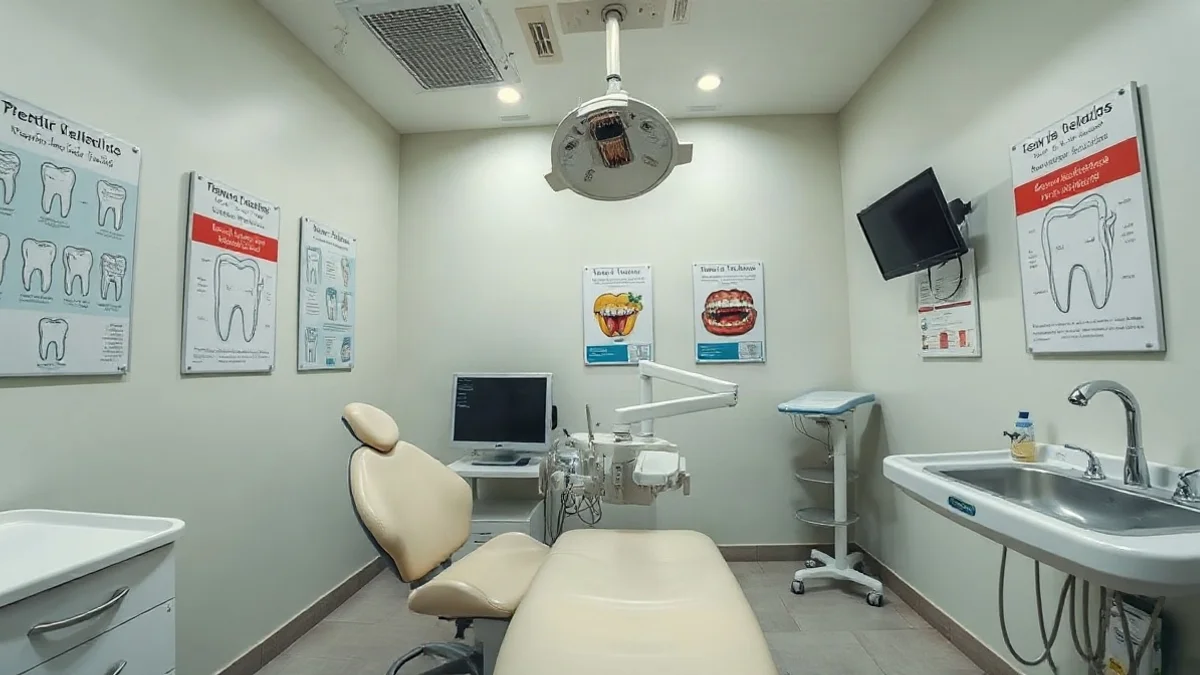
On the occasion of Universal Children's Day, marked globally on November 20, health experts emphasize that early childhood development involves more than just vaccinations and nutrition. Oral health and the preservation of primary teeth play a critical role in a child's overall well-being, nutrition, speech development, and the proper alignment of permanent teeth.
When to Schedule the First Dental Visit
Dr. Nidal Zriek, a pediatric dental specialist at Maccabident, notes that leading dental associations recommend scheduling a child's first dental checkup around the eruption of the first tooth and no later than age one. The primary goal is not to perform invasive procedures, but rather to establish a dental home. During this initial visit, the dentist assesses eruption rates, checks for enamel defects, and provides parents with personalized guidance. An early, relaxed introduction prevents emergency visits driven by acute pain or severe inflammation.
To ensure children develop a positive attitude toward dental clinics, parents should avoid words like "fear" or "pain" and instead frame the visit as counting and checking teeth with a special light. Pediatric dental specialists utilize behavioral communication methods such as explanation, demonstration, and gradual exposure to foster a sense of security and control.
Preventing Early Childhood Caries
One of the most common issues among toddlers aged one to three is early childhood caries, often called bottle caries. This condition develops rapidly when sugar-containing liquids remain in contact with teeth for prolonged periods. When a child falls asleep with a bottle containing formula, milk, juice, or sweetened beverages, saliva production drops significantly, allowing sugars to accumulate and feed bacteria on the enamel.
"After the bedtime toothbrushing routine, children should drink exclusively water," experts advise, warning against putting toddlers to sleep with bottles containing milk or sweetened drinks.
Home Hygiene Habits from Infancy
Proper brushing habits must begin as soon as the first tooth erupts:
- From eruption to age two: Brush twice daily using a soft, small-headed brush with a rice-grain-sized amount of fluoride toothpaste containing 1000 ppm.
- From age two to six: Increase the toothpaste amount to a pea-sized portion, maintaining a 1000 ppm fluoride concentration.
Because young children lack the motor skills required for thorough independent brushing, parents must actively brush their children's teeth until around age eight. Turning the routine into a fun experience through songs, mirrors, and supervised independent practice helps establish lifelong habits.
Dental Rights Under the National Health Insurance Law
Universal Children's Day also serves as a reminder of the extensive coverage provided under Israel's National Health Insurance Law. Children up to age 18 are entitled to a wide range of preventive and conservative dental treatments. The public health basket covers routine annual checkups at no cost, necessary X-rays, oral hygiene instruction, scaling, and fissure sealants.
Additionally, the health basket includes conservative treatments such as fillings, root canals, extractions, and emergency care, either free of charge or with a nominal copayment ranging from twenty to thirty shekels per treatment. Utilizing these rights through networks like Maccabident ensures that financial barriers do not hinder children from receiving comprehensive oral care from an early age.