Dyson Chief Developer Guy Turner Discusses Smart Home Privacy and Robotics
Dyson chief developer Guy Turner discusses the future of home robotics, the balance between advanced smart features, and crucial consumer privacy protections in 2026.
As smart home devices rapidly evolve in 2026, the intersection of advanced artificial intelligence and consumer privacy has taken center stage. Guy Turner, chief developer at Dyson, addressed these critical industry shifts during a recent visit, emphasizing that future households will feature more robots than human residents as machines grow increasingly autonomous and capable.
The Privacy Dilemma of Smart Home Devices
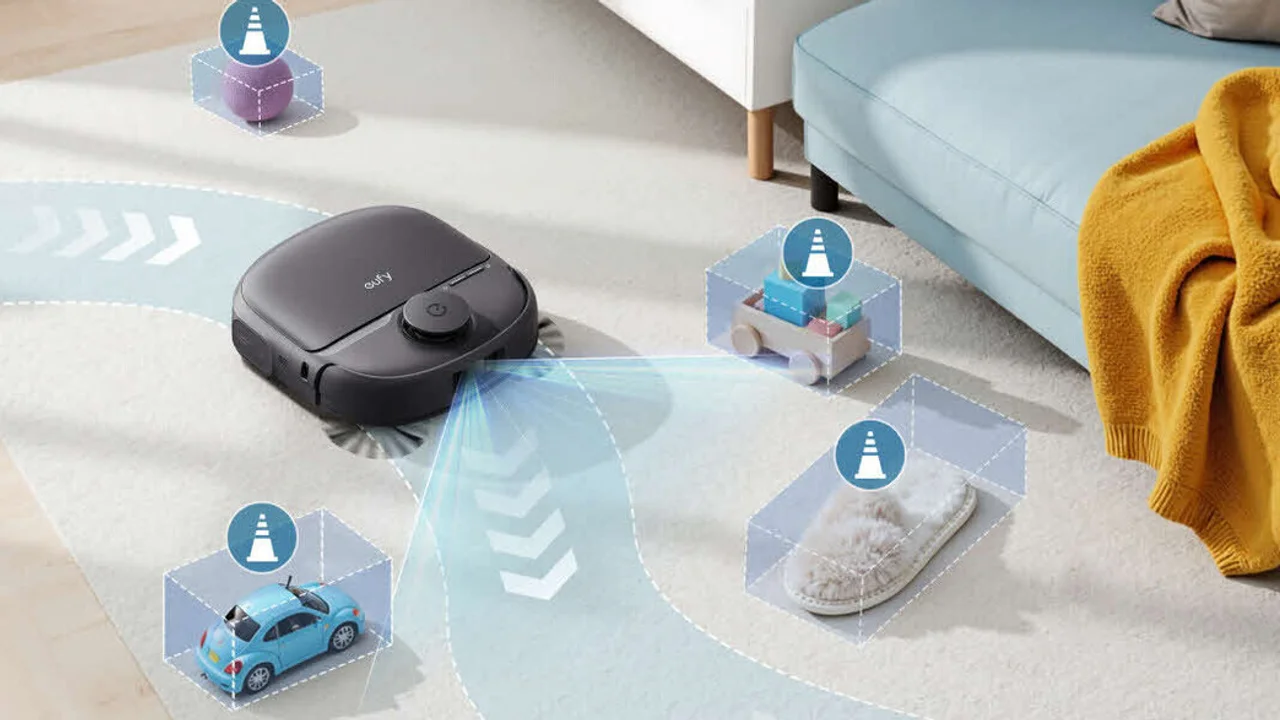
Modern robotic appliances have advanced far beyond basic vacuuming or floor washing, now handling complex household tasks. However, achieving high performance requires these machines to navigate and perceive living spaces just as humans do, which inherently involves placing cameras inside private homes. Turner urges consumers to maintain healthy skepticism, noting that buyers must carefully evaluate which connected products they bring into their personal environments and understand how those devices manage optical data.
Security concerns surrounding Internet of Things devices are no longer theoretical. Recent incidents involving compromised supermarket refrigeration systems and vulnerabilities discovered in robotic vacuums—where thousands of home maps and private data points were exposed—highlight ongoing risks. Dyson maintains that its hardware addresses these security challenges by processing camera data locally on the device within a secure internal environment rather than transmitting or storing feeds in external cloud servers. Turner advises users to maintain strict automatic firmware update protocols to ensure continuous protection against emerging cyber threats.
Innovation, Market Competition, and High-End Tech
While Dyson faces growing competition from rivals offering lower-priced alternatives, company leadership views market emulation as validation of its pioneering engineering. Recent high-end product launches, such as an advanced connected toothbrush priced at 500 dollars, reflect a broader strategy aimed at long-term preventative health and technological integration. Turner argues that such investments offset costly dental procedures over time, framing premium consumer electronics as practical health tools rather than mere luxury gadgets.