From the reform speech to the judicial appointment saga: Yariv Levin is determined to remain in his position - and regrets nothing
In recordings obtained by Walla, the Justice Minister is heard addressing his non-recognition of Supreme Court President Isaac Amit, praising Commissioner Asher Kola's backing for Judge Menachem Mizrahi, and expressing determination to complete the judicial reform in the next term: "The judges tell me: 'If you win, the story is over and the entire composition of the court will change'"
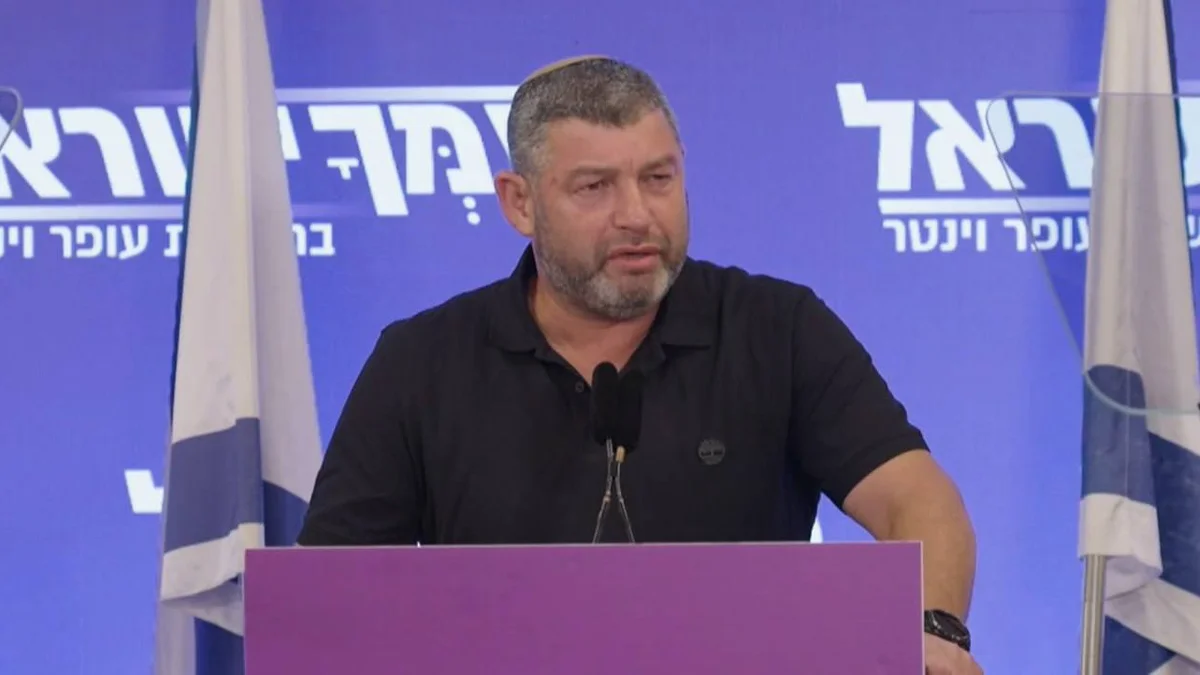
Ahead of the elections, Justice Minister Yariv Levin spoke on Wednesday at a parlor meeting in Ra'anana, addressing at length the judicial reform, the judicial system, the appointment of judges, and his intentions for the future. At the beginning of his remarks, Levin said that he "wants to focus on a few statements that cannot always be said in broad forums, which concern my term as Justice Minister and the path I want to take."
Protecting judges and resisting pressure
Later, Minister Levin addressed the President of the Magistrate's Court in the Central District, Judge Menachem Mizrahi, who ruled on detention matters in the Qatar-gate cases and the leak affair to the "Bild" newspaper. The Justice Minister addressed the way, according to him, they tried to exert pressure on Judge Mizrahi following his decisions:
"When President Mizrahi gave decisions regarding Yonatan Urich, what did they always do? Immediately filed a complaint with the Commissioner so that he would suspend the 'rogue judge'. It took the Commissioner for Complaints against Judges, Judge Asher Kola (whom I appointed), 24 hours to throw them out and tell Mizrahi: 'Do as you believe'. And this has enormous importance. Those who got used to everything being permitted, protection does not exist for them. And they are elevated above the people."
According to him, he insisted that Judge Mizrahi continue as President of the Magistrate's Court and move automatically to the District Court so that no one could settle scores with him.
Attitude towards the Supreme Court President
Levin moved on to address the attitude he displays towards the President of the Supreme Court, Isaac Amit, and his decision not to recognize him:
"Judge Amit did not imagine that I would not recognize him. That I would stand against him in this way, that he would not be invited to the Knesset, that the Prime Minister would not participate in his swearing-in ceremony. If they could turn the wheel back, they would not repeat this act and would move to an arrangement to prevent this reality. I am not in favor of the situation where I do not work with him because the system has needs, but I have no choice."
According to Levin, the most important thing is appointments to the Supreme Court. If there is a different composition, the government will make decisions and the Knesset will legislate laws without intervention, changing the whole picture.
Determination to return
Levin compared the judicial system's actions to dictatorships, noting that while they don't "shoot in the streets," they issue absurd verdicts that are anti-democratic.
"If we win the elections, we end this thing, change the composition of the court, change all the systems, and therefore I am determined to return to the office. I want to remain in the same position and complete this campaign. I will not give up until I complete the doing of justice," he added.
Taking off the masks
Levin spoke about the judicial reform he presented in early 2023, claiming it led to a deep change by "taking off the masks" and revealing that the country's top systems—the army, security, Histadrut, academia, and media—were controlled by a small group. He cited the appointment of Shin Bet heads as an example, noting that public outcry helped prevent the appointment of candidates with "extreme left-wing views" and allowed for the selection of individuals with different backgrounds, such as David Zini.