Study Finds Daily Driving Keeps the Heart in a Constant State of High Alert
A new study published in Digital Public Health reveals that drivers' hearts remain elevated above resting rates for 94% of driving time, showing that routine commuting requires constant physical alertness.
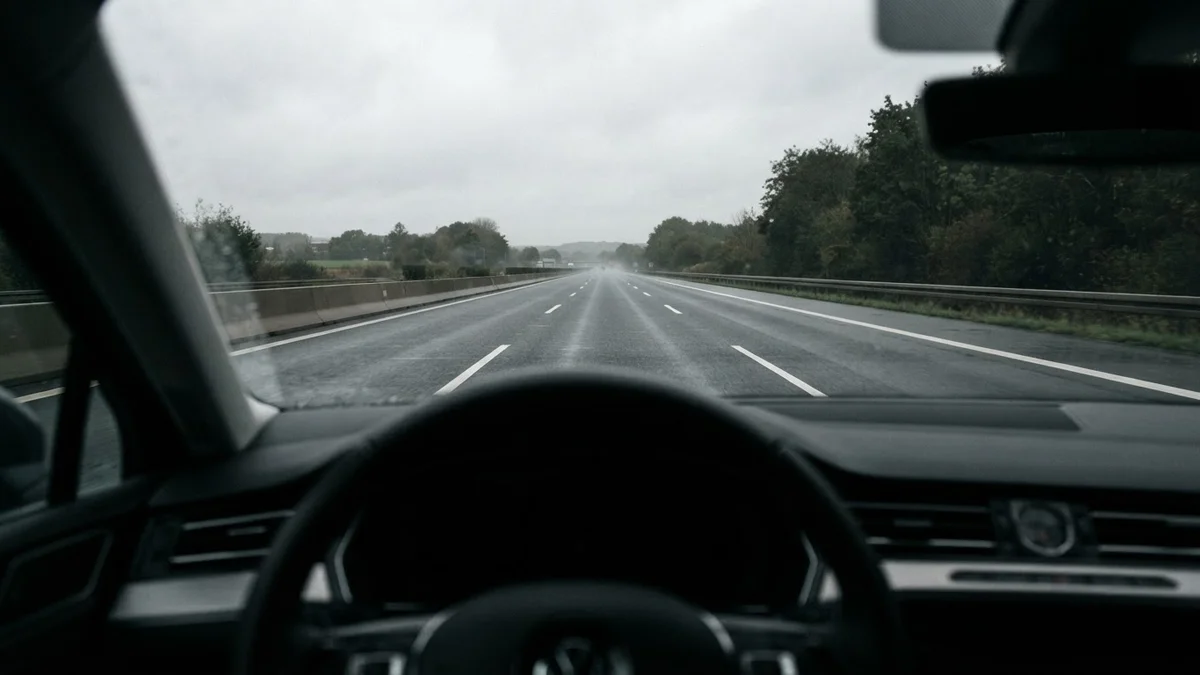
Driving is often perceived as a routine, almost mechanical activity that many of us perform without conscious thought. However, a recent study reveals that even in the absence of traffic jams, honking, or unusual road incidents, the human body remains in a heightened state of alertness while behind the wheel.
Cardiovascular Activity During Commutes
Published in the journal Digital Public Health, the study investigated drivers' cardiac activity during daily routines. Researchers discovered that while driving, heart rates remained above personal resting rates for approximately 94% of the time. By comparison, during non-driving sedentary activities such as sitting at a desk, that figure stood at about 81%.
The research highlighted that the most significant difference was not merely the elevated heart rate, but the frequency with which the heart returned to a resting state. During driving, the heart dropped back to its resting rhythm significantly less often than during regular sitting. Investigators attribute this to the continuous vigilance required of motorists, including monitoring the road, scanning for hazards, making split-second decisions, and remaining prepared to react at any moment.
Long-Term Health Implications
Despite these physiological findings, the researchers do not suggest that daily driving directly causes cardiovascular disease or long-term health damage. The study highlights a distinct difference in cardiac activity between driving and standard sedentary behavior, though the long-term medical significance of this sustained alertness remains unclear.
Investigators emphasize that further research involving larger and more diverse groups of drivers over extended periods is necessary. Until then, the takeaway is not that individuals should stop driving, but rather that an activity appearing entirely passive requires considerably more physical and mental strain than previously assumed.