Negev Recycling Park Faces Arson and Armed Extortion Amid Rising Threats
Management at the Dudaim Recycling Park in the Negev warns of escalating protection extortion following truck arson, shootings, and armed threats against employees.
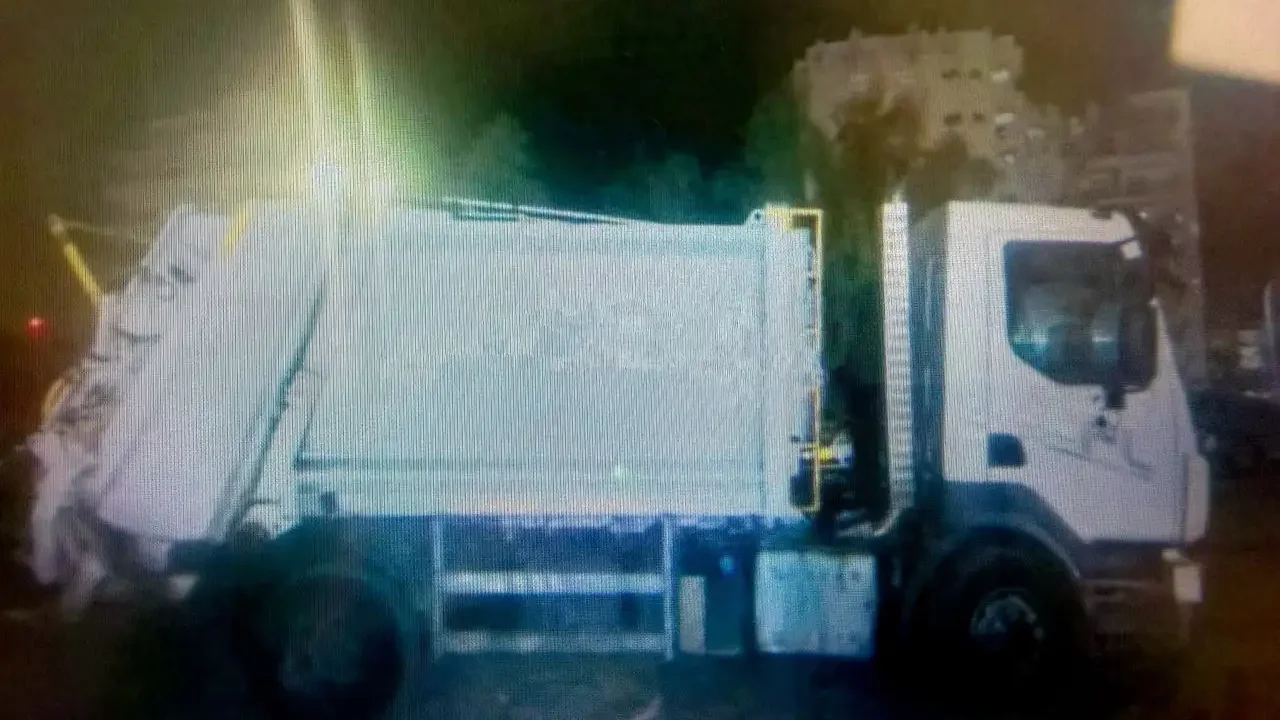
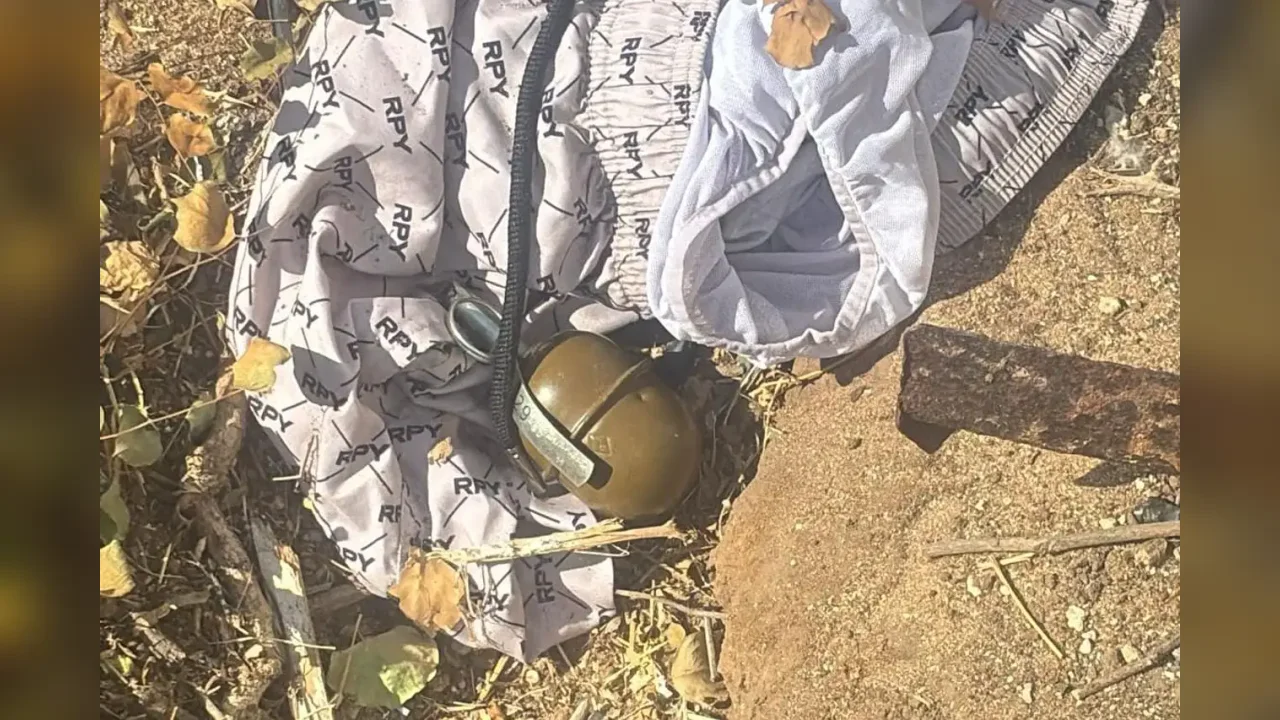
A wave of violent incidents at the Dudaim Recycling Park in the Negev has sparked severe security concerns, with management pointing to suspected protection fee extortion. The escalation, which began in early October, includes the arson of four trucks belonging to the Negev Ecology company, shooting incidents, the detonation of a grenade, and direct threats against employees on their commute.
Critical Threat to Essential Infrastructure
Dudaim Recycling Park serves as one of the primary waste management facilities in southern Israel, catering to approximately one million residents. The site handles around 7,000 tons of waste daily, welcoming roughly 650 trucks and employing 220 workers who maintain continuous operations. Park CEO Saar Harzi emphasizes that the ongoing intimidation extends far beyond commercial damages, threatening vital national infrastructure and regional governance.
"When you see a vehicle stopping you on the way to work, right before you arrive, when you see that they have weapons and they actually threaten you and ask you questions—it is not a trivial matter. It is stressful, creates extreme fear, and collapses the entire infrastructure from within," Harzi describes.
Harzi notes that workers have encountered armed suspects not only on site but also outside the facility grounds. Despite filing official complaints and maintaining ongoing communication with senior law enforcement officials, management reports that no clear answers or arrests have emerged regarding the perpetrators.
Management Demands Stronger Deterrence
Following the attacks, the park reinforced its security protocols, yet leadership argues that these measures remain inadequate against persistent criminal syndicates. While acknowledging police efforts, Harzi insists that current operational responses are insufficient to restore public order.
"I understand that the Israel Police is trying to do its best, but it is too little, it is too weak. When there is a two-day lull, I feel like it is the calm before the storm, and I am even more tense than before because I do not know what is going to happen," Harzi explains.
Management vows not to yield to extortion demands, calling on law enforcement to shift from reactive containment to sustained, proactive enforcement that establishes genuine deterrence and guarantees employee safety.