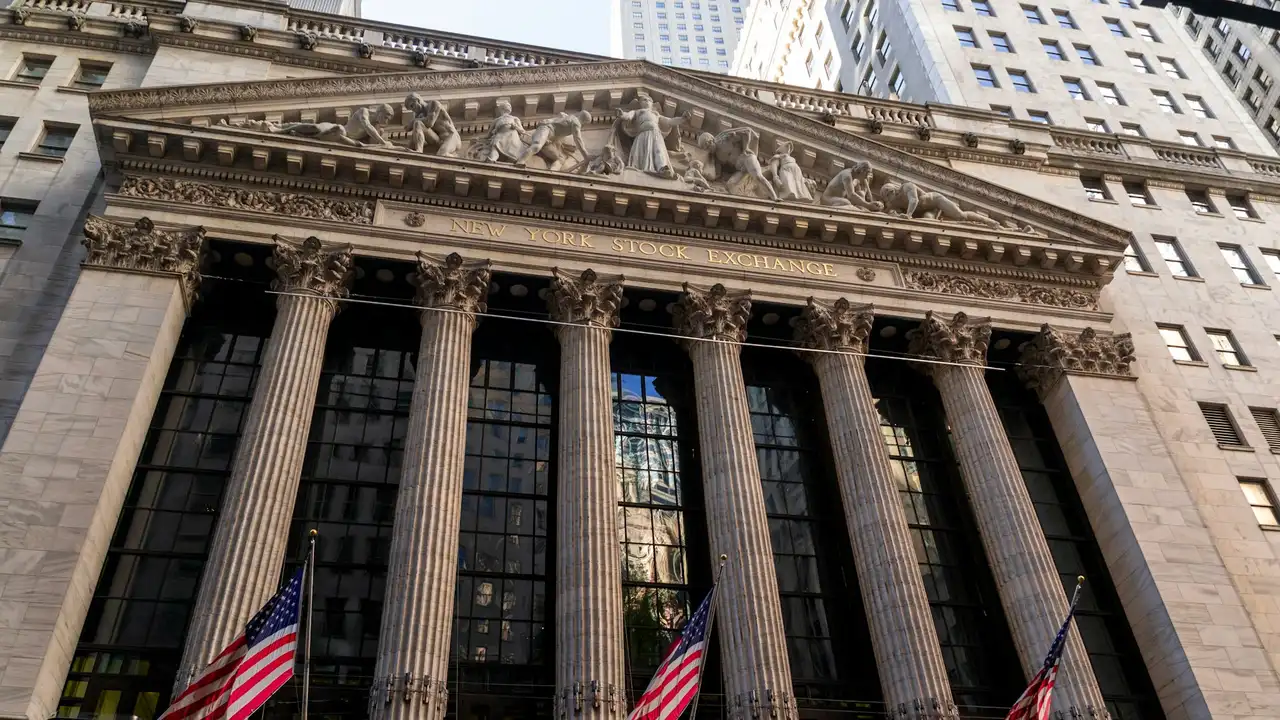
Drama on Wall Street: Two popular Israeli companies plunged by 9%
A stormy trading day on Wall Street ended with sharp declines, with the semiconductor sector taking the hardest hit. Markets are under pressure due to rising bond yields, oil prices, and geopolitical tensions.
A stormy trading day was recorded on Wall Street, as pressure from several directions simultaneously led to particularly sharp declines in chip stocks. The Nasdaq finished with a decline of 1.3%, the S&P 500 index lost about 0.5%, while the Dow Jones index remained almost unchanged. Those who took the most painful hit were semiconductor stocks, including two Israeli companies, Camtek and Tower, which plunged by about 9%.
The SOXX ETF, which tracks chip companies, lost about 5%, while stocks related to memory chips also recorded significant declines. Among the names that stood out with negative performance are Western Digital, SanDisk, Micron, and Seagate. Thus, at least for now, the recovery that the sector recorded during August has been halted.
However, the problem from the investors' point of view is not limited to chips. The global bond market continues to cause concern, as the yield on 10-year US government bonds reached the 4.75% area during trading, a level not seen for about 19 months. In 30-year bonds, the picture is even more unusual, with a yield that reached about 5.33%, heading toward a closing level not recorded since 2007.
The pressure is not limited to the USA. High yields are also being recorded in the debt markets of Germany, France, and Japan. Investors are dealing with a combination of fears regarding inflation, large government deficits, and a growing supply of debt.
Into this picture also enters the artificial intelligence race. According to reports, part of the pressure on the bond market stems from the volume of debt raised by technology companies, which need huge sums for the establishment of data centers and the purchase of chips. This corporate debt effectively competes for investors' capital against government bonds.
Another factor that continues to weigh on the markets is the price of oil. American oil is trading in the 85 dollar per barrel area, while the price of Brent crude oil hovers around 91 dollars. In the background is the tension between the USA and Iran and the stalemate around the Strait of Hormuz.
Alongside the declines, some bright spots were also recorded. Duolingo stock received a boost after investment bank D.A. Davidson raised its recommendation for the stock from "neutral" to "buy" and set a target price of 160 dollars, compared to 130 dollars previously. Wix stock also stood out positively during the trading day, following a significant jump it recorded recently.
On the other hand, Klarna took a hard hit. The Swedish fintech company's stock plummeted in trading after the company lowered its revenue forecast for 2026 to below Wall Street expectations. The company pointed, among other things, to weakness in non-essential consumer spending in Germany and the effects of currency exchange rate fluctuations.
Meanwhile, investors are forced to deal with a particularly complex equation: expensive oil, geopolitical tension, government deficits, huge debt raisings for the benefit of investments in artificial intelligence, and bond yields reaching levels not seen for years. At least on the current trading day, this combination was enough to stop the momentum in chip stocks and paint large parts of Wall Street red.