Drama in Tehran: President Pezeshkian threatened to resign to force an urgent meeting with Khamenei - "Iran's economic situation is unbearable"
Pezeshkian seeks to clarify to Khamenei that the economic distress in the country has reached a critical point, to the extent that achieving a political agreement and removing economic pressure has become an urgent necessity that cannot be delayed.
Iranian representatives admitted to the Wall Street Journal that their power to influence is limited and they are under heavy pressure to achieve immediate economic relief. The distress in the country is so severe that Iranian President Masoud Pezeshkian threatened to resign to force an urgent meeting with Supreme Leader Mojtaba Khamenei. On the other hand, the Revolutionary Guards are threatening to resume attacks against ships if the agreement does not yield tangible economic gains. These pressures led the mediators to expand the talks from merely opening the Strait of Hormuz to also removing oil sanctions and releasing frozen funds.
Political crisis in Tehran
Political drama and an unprecedented leadership crisis are shaking Tehran. According to the Wall Street Journal, Pezeshkian sought to clarify to Khamenei unequivocally that the country's economic situation has deteriorated to a critical point, making a political agreement an urgent necessity. Supporters of the agreement at the top of the regime are struggling even to get a meeting with the Supreme Leader.
Mediators say that Iranian representatives are now speaking openly about the limits of their ability to influence results, admitting that without immediate economic benefit, any agreement reached would be worthless. At the same time, the hawkish military echelon is presenting an aggressive line: the Revolutionary Guards are signaling clearly that they will resume attacks against tankers if the agreement does not yield sufficient economic results.
Diplomatic progress and the US role
The expansion in talks is happening in parallel with a diplomatic breakthrough with Washington. A senior American official told Reuters that significant progress has been made in contacts for an agreement between Iran and Oman. As soon as the agreement is announced, the United States will lift the maritime siege imposed on Iran.
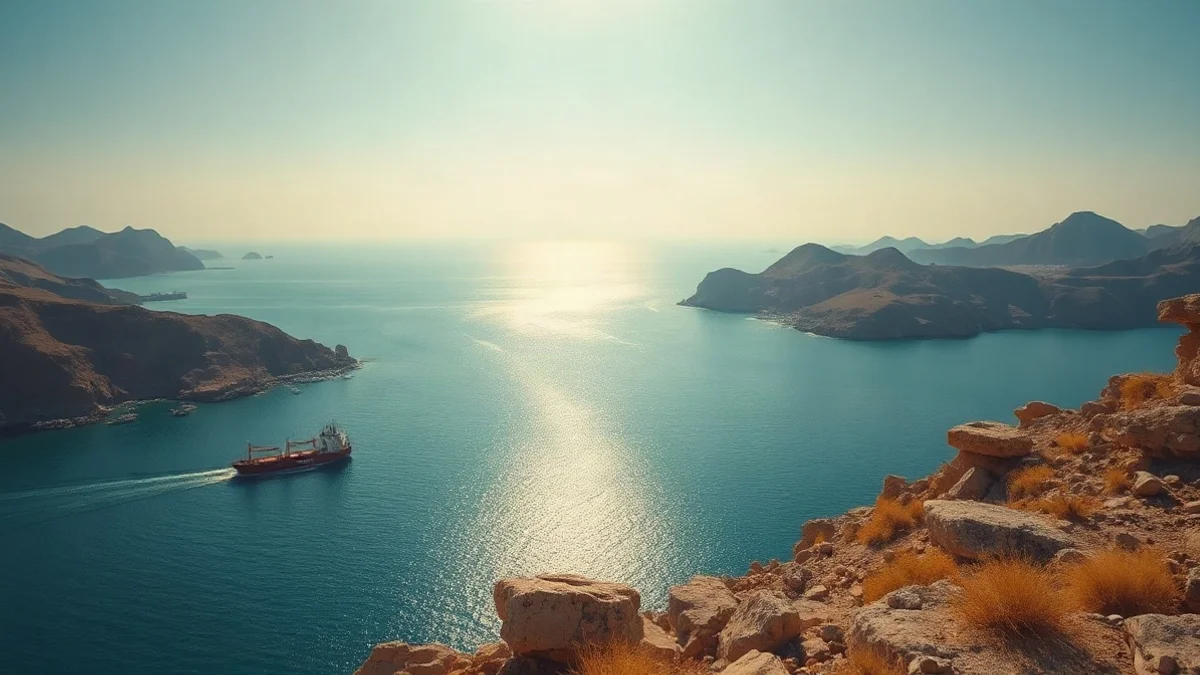
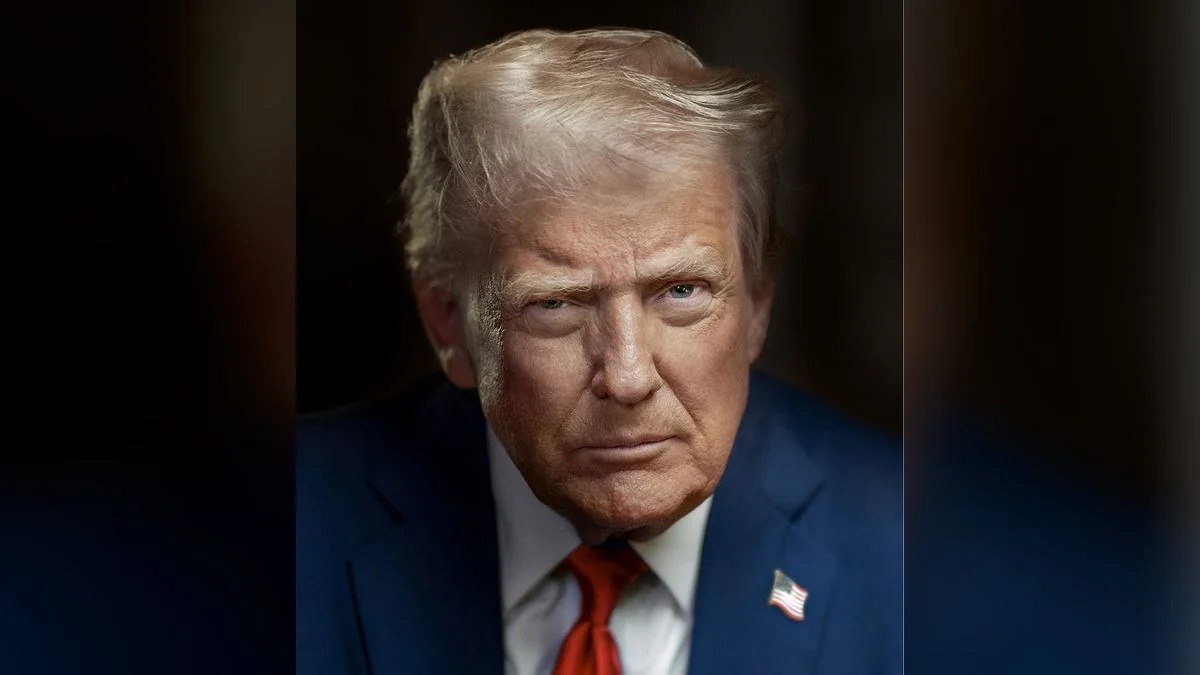
However, the road to an agreement requires flexibility from President Donald Trump as well. To reopen the Strait of Hormuz, the economic artery through which about 20% of global oil consumption passes, he will have to compromise. The temporary solution taking shape suggests ships will enter the Persian Gulf through a route under Iranian control and exit through a route under Omani control, without transit fees.
Tension in Washington
Against the background of these contacts, internal tension is growing in Washington around a shortage of advanced missile interceptors. After reports of Trump's frustration with Secretary of Defense Pete Hegseth regarding stock depletion, the president threatened leakers with prison sentences. Although Trump claimed the army holds huge amounts of weapons, he later admitted that the supply of certain munitions is tighter. Democratic Senator Mark Kelly criticized the campaign, arguing that the shortage stems from managing a war devoid of strategy, which led to attacking more than 14,000 targets. An AP-NORC poll shows that about 66% of the American public believe the war in Iran is not justified.