How the Surging US Dollar and Pension Hedging Impact Israeli Supermarket Prices
The recent 4% surge in the US dollar against the shekel is driven by Wall Street declines triggering institutional pension fund hedging, threatening higher supermarket prices.
The recent surge in the US dollar against the shekel, which saw the representative exchange rate jump by approximately 4% last week to reach 3.25 NIS, extends far beyond geopolitical tensions with Iran and political uncertainty. While the global dollar index rose by only 0.4%, the sharp local divergence highlights structural market dynamics linked directly to Israeli pension funds and foreign exchange hedging mechanisms.
The Pension Fund Hedging Loop
Dr. Bella Barda-Barakate, macro-political and geopolitical analyst and founder of the Blue Pumpkin Strategic Intelligence Lab, explains that the connection between Wall Street declines and the local currency runs through institutional savings portfolios. When equity values held abroad drop, institutional funds frequently buy back dollars they previously sold in order to adjust their hedging ratios to the new portfolio valuations. Hedging is designed to mitigate currency fluctuation risks, but falling foreign asset values can trigger automatic adjustments. When multiple institutional giants execute these adjustments simultaneously, aggregate demand for dollars surges, placing compounding downward pressure on the shekel.
This capital market feedback loop operates in both directions. According to Ran Sinai, chief economist at Ultra Finance, US employment and inflation figures, alongside expectations for restrictive monetary policy, enhance the intrinsic attractiveness of dollar-denominated assets. This persistent demand continues to support the greenback.
Impact on Consumer Prices and Interest Rates
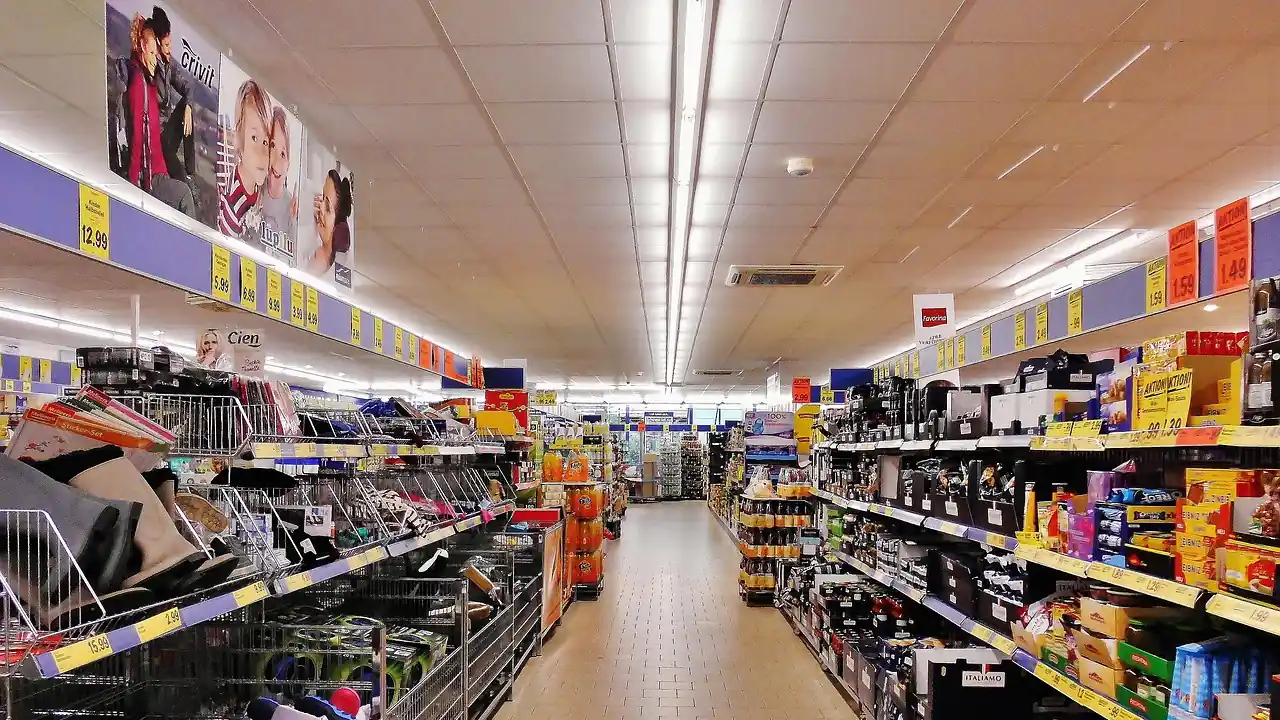
A weakening shekel carries direct consequences for the domestic cost of living beyond investment portfolios. Importers must disburse more shekels to procure goods priced in dollars, a cost differential that frequently translates into higher retail prices at supermarket checkouts. Consequently, consumers without foreign equity holdings or overseas travel plans ultimately feel the exchange rate shift in their daily expenses.
These currency pressures weigh heavily on monetary policy deliberations. Although annual inflation moderated to 1.1%, reducing Israeli interest rates while global markets anticipate tighter US monetary conditions could heighten the appeal of dollar investments and exacerbate shekel depreciation. Consequently, analysts anticipate that the Bank of Israel will maintain the benchmark interest rate at 3.25%, waiting to determine whether the currency depreciation stabilizes.
Sinai notes that a single morning of dollar pullbacks remains insufficient to declare a definitive market reversal. Sustaining shekel stability over the long term, rather than executing temporary corrections following sharp weekly losses, serves as the ultimate test for the domestic currency.