Understanding Self-Storage Costs: What Really Drives Up Your Monthly Bill
Renting a self-storage unit involves navigating hidden costs, location premiums, vertical volume, and insurance. Examining market rates helps consumers avoid unexpected fees.
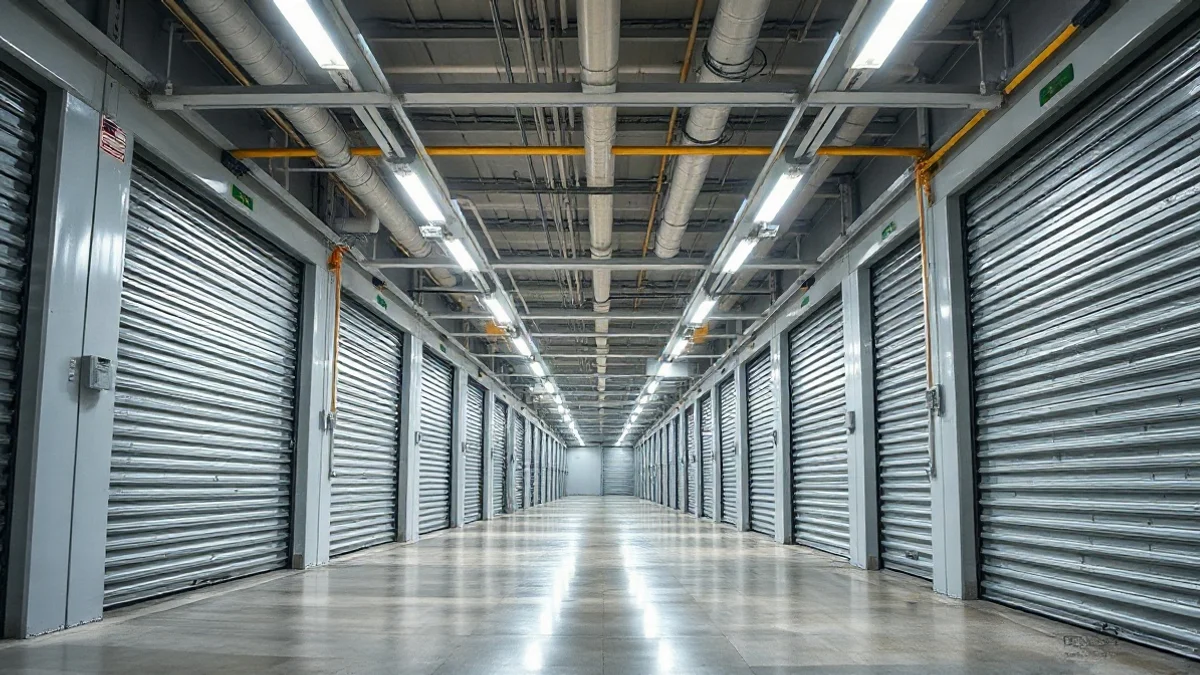
Renting a self-storage unit involves far more than simply looking at advertised promotional rates. Monthly expenses are heavily influenced by the chosen location, the length of the commitment, the building floor, and hidden fees that often escape initial notice.
Size, Vertical Space, and Location
A common mistake when renting storage is selecting a unit based strictly on the number of rooms in an apartment. A three-room home with minimal furniture can sometimes fit into a smaller space than a cluttered two-room apartment packed with books and equipment. Renters should compile a precise list of large items, including sofas, beds, wardrobes, refrigerators, and washing machines, alongside an estimated box count. Storage facilities often provide expert guidance based on such inventories.
Vertical volume is equally critical. A unit with a height of two and a half meters allows boxes to be stacked efficiently, meaning a smaller floor area with full vertical clearance can often hold the exact same volume at a lower price. Meanwhile, urban location dictates base pricing. A warehouse located inside a major city like Tel Aviv commands higher rates than facilities situated in suburban areas or regional kibbutzim, such as Kiryat Anavim near Jerusalem or Kibbutz Yakum in the Sharon region. Frequency of access should determine the choice; tenants moving household contents between apartments over a few months benefit from lower-priced suburban options, while businesses needing weekly access value urban convenience.
Commitment Terms and Additional Costs
Contract length directly impacts monthly outlays. Most storage operators offer flexible month-to-month plans alongside long-term tracks spanning six months, a year, or more, with monthly rates dropping as the commitment lengthens. Customers should carefully review early termination policies and inquire about switching to smaller or larger units without facing financial penalties.
Prospective renters must also account for several secondary expenses that are frequently excluded from baseline advertisements:
- Insurance: Policies are rarely bundled into the base rate and depend entirely on the declared value of the stored inventory.
- Access and Logistics: Facilities may enforce restricted opening hours, require advance appointments, or charge fees for after-hours arrivals.
- Ancillary Fees: Registration charges, security deposits, and separately purchased locks add to the total cost.
- Value-Added Tax: Renters must verify whether quoted prices already include VAT.
Market Rates and Industry Benchmark
Examining current pricing structures across regional operators provides clear context. The Green Storage Israel network, active since 2013, operates four branches across Tel Aviv (Florentin and Kibbutz Galuyot), Kiryat Anavim, and Kibbutz Yakum, holding a 4.8-star rating on Google derived from 325 reviews as of November 2026. Private, locked storage units start at 199 shekels per month in Kiryat Anavim and Yakum, and from 350 shekels in Tel Aviv, inclusive of VAT.
At the Sharon branch, a small unit designated for boxes and suitcases starts at 199 shekels monthly, while spaces suited for a studio or 1.5-room apartment start at 480 shekels. Accommodating the contents of a three-room apartment starts at 910 shekels. These figures reflect long-term commitments exceeding one year on lower-floor tiers. Insurance is excluded, though comprehensive coverage is available at an additional rate of 1.8 shekels per 1,000 shekels of declared value.
Consumers are advised to request a comprehensive, written price quotation detailing monthly fees, contract duration, insurance terms, deposits, and exit clauses before signing any agreement. Comparing multiple detailed offers remains the safest way to avoid paying for unneeded space or unexpected fees.